Buy Bonsai Trees: Where to Find Quality Trees & What to Know
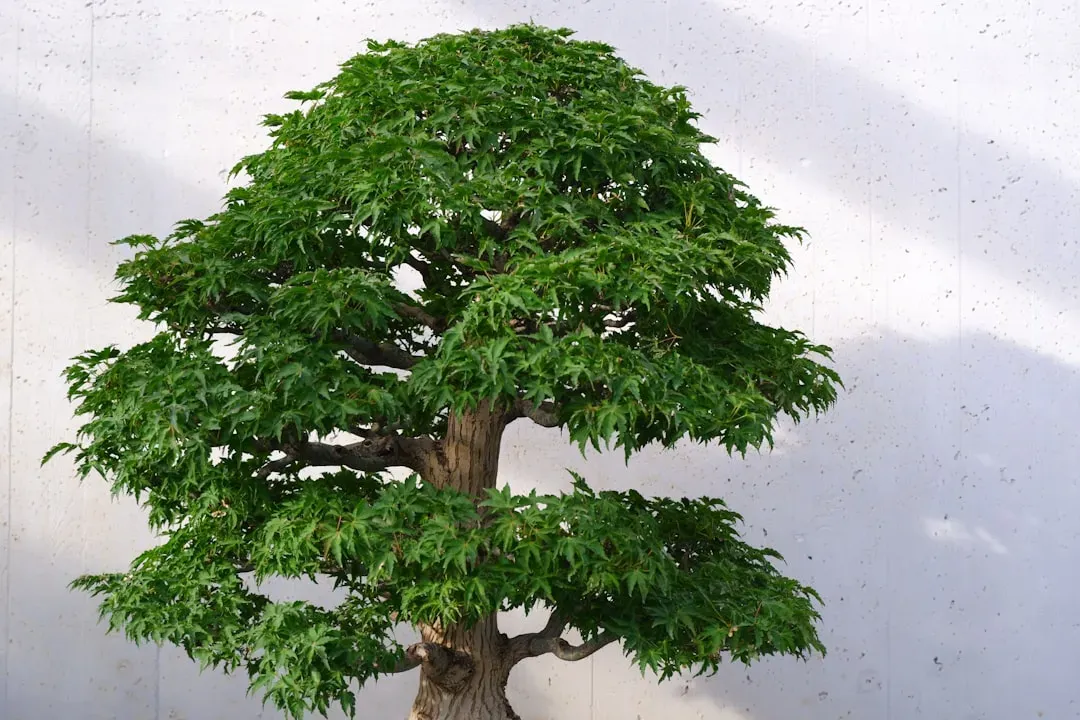
Finding a quality bonsai tree requires knowing where reputable sellers operate and what distinguishes a well-cultivated specimen from mass-market stock. The best sources include specialized online retailers with documented care histories, local bonsai nurseries where you can inspect trees personally, and established bonsai clubs that connect you with experienced growers. Quality indicators, trunk taper, visible surface roots (nebari), branch structure, and overall health, remain consistent regardless of where you shop, and understanding these markers protects you from overpaying for poor material or falling victim to sellers using stock photos of trees you'll never receive.
Table of Contents
- Where to Buy Quality Bonsai Trees (And Where to Avoid)
- Reputable Online Bonsai Retailers
- Local Options: Nurseries and Bonsai Clubs
- Big Box Stores: When They Work (and When They Don't)
- What Defines a Quality Bonsai Tree
- Trunk Character and Taper
- Root Flare and Nebari Quality
- Health Indicators to Check Before Buying
- Understanding Bonsai Pricing: What You Should Pay
- Beginner-Friendly Price Points ($20-$75)
- Intermediate Investment Trees ($75-$300)
- What Makes Expensive Bonsai Worth the Price
- Best Bonsai Species for Different Living Situations
- Indoor Bonsai for Apartment Dwellers
- Outdoor Hardy Species for Temperate Climates
- Low-Maintenance Options for Beginners
- How to Evaluate Online Sellers and Avoid Scams
- Red Flags in Product Photos and Descriptions
- Verifying Seller Credentials and Reviews
- Understanding Shipping Guarantees and Return Policies
- What to Expect When Your Bonsai Arrives
- Immediate Care Steps After Unboxing
- Normal Stress Responses vs. Serious Problems
- When to Contact the Seller About Issues
- Essential Questions to Ask Before You Buy
- Questions About the Tree's History and Care
- Clarifying Species-Specific Requirements
- Shipping and Guarantee Details
Where to Buy Quality Bonsai Trees (And Where to Avoid)
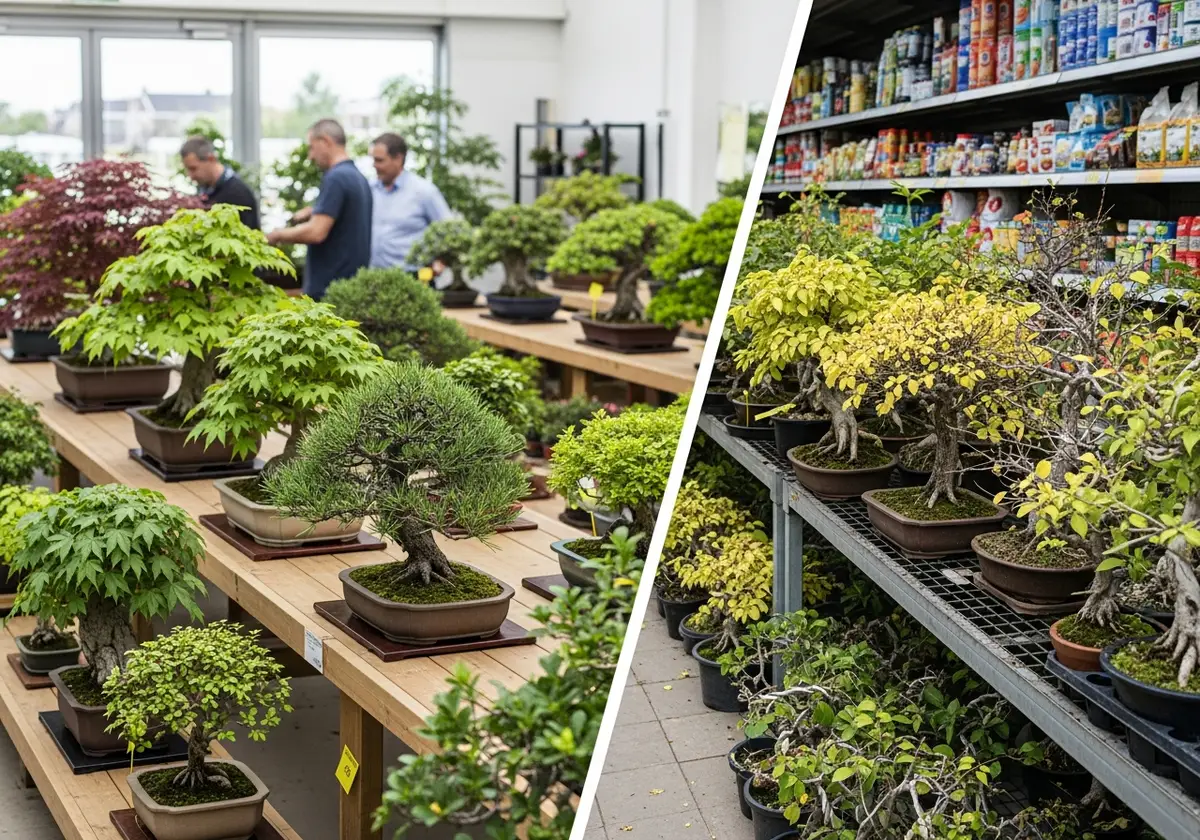
The bonsai marketplace splits into three distinct tiers, each serving different buyer needs and experience levels. Specialized retailers offer the highest quality and most reliable service, local options provide hands-on evaluation, and big box stores occasionally stock acceptable beginner material at accessible prices. Your choice depends on your budget, experience level, and willingness to accept shipping risks versus the convenience of immediate possession.
Bonsai Purchase Options: Comparison of Sources
| Purchase Source | Price Range | Quality Level | Inspection Ability | Care Support | Best For |
|---|---|---|---|---|---|
| Specialized Online Retailers | $50-$500+ | High | Photos of actual tree | Detailed care instructions & guarantees | Serious buyers wanting documented provenance |
| Local Bonsai Nurseries | $40-$300 | High | In-person inspection | Follow-up support & climate advice | Buyers wanting relationship & no shipping risk |
| Bonsai Clubs/Local Growers | $30-$200 | Medium-High | In-person inspection | Community support & mentorship | Beginners wanting guidance & community |
| Big Box Stores (Home Depot/Lowe's) | $20-$40 | Low-Medium | In-person inspection | Minimal to none | Budget-conscious beginners accepting higher risk |
Reputable Online Bonsai Retailers
Eastern Leaf, Brussel's Bonsai, and Bonsai Boy have operated for decades with established reputations and customer service records you can verify through bonsai forums. These retailers photograph the actual tree you'll receive, provide species-specific care instructions, and guarantee live arrival with replacement policies. Eastern Leaf specializes in pre-bonsai material and yamadori-style junipers, while Brussel's maintains a broader inventory including tropical species suitable for indoor cultivation.
Wigert's Bonsai in Florida focuses on tropical and subtropical species, offering detailed videos of individual trees before purchase. Evergreen Gardenworks carries extensive selections of Japanese maples and conifers with transparent information about each tree's training history. Well, these established sellers charge premium prices, but you're paying for documented provenance and trees that match their photographs.
Look for sellers who list specific cultivar names rather than generic "juniper bonsai" descriptions. Reputable retailers include trunk diameter measurements, height specifications, and age estimates based on actual training time rather than inflated claims.
Local Options: Nurseries and Bonsai Clubs
Regional bonsai clubs maintain lists of local nurseries and connect buyers with members selling trees from personal collections. The American Bonsai Society's website includes a club directory organized by state, providing contact information for groups that often host annual sales events. Buying locally lets you inspect nebari quality, check for wire scarring, and assess branch flexibility before committing money.
Local nurseries specializing in bonsai typically maintain demonstration trees that show you the quality standards they uphold. These sellers answer questions about winter protection requirements specific to your climate zone and often provide follow-up support when problems arise. You'll pay slightly more than online prices, but you eliminate shipping stress and gain a relationship with someone invested in your success.
Visit during spring or fall when inventory is freshest and sellers are most available for consultation. Bring photos of your growing space to discuss light conditions and temperature ranges honestly.
Big Box Stores: When They Work (and When They Don't)
Home Depot and Lowe's occasionally stock juniper and ficus bonsai in the $20-40 range that serve as acceptable starter material if you inspect carefully. These trees typically come from wholesale nurseries with minimal training, planted in poor soil that requires immediate replacement. The advantage is immediate availability and rock-bottom pricing, the disadvantage is complete absence of care guidance and high likelihood of pest infestations or root problems.
Check for green cambium by gently scraping a small area on the trunk with your fingernail, brown or gray tissue means the tree is already dying. Examine the soil surface for webbing (spider mites), sticky residue (scale insects), or white cottony masses (mealybugs). Most big box bonsai have been indoors under fluorescent lights for weeks, leaving them stressed and vulnerable.
If you find a healthy specimen, consider it raw material requiring repotting into proper bonsai soil and several years of training. These trees work for learning basic techniques without risking expensive material, but don't expect refined trunk taper or established nebari.
What Defines a Quality Bonsai Tree
Quality assessment follows observable criteria that remain consistent across species and styles. A well-developed bonsai displays trunk movement that suggests age and natural growth patterns, surface roots that radiate evenly from the base, and branch structure that creates depth and proportion. Health indicators, firm foliage, flexible branches, and pest-free bark, confirm the tree can handle the stress of transitioning to your care.
Trunk Character and Taper
Trunk taper means the trunk diameter decreases gradually from base to apex, mimicking how mature trees grow in nature as lower portions thicken while upper sections remain slender. Measure the trunk at soil level and again halfway up, quality bonsai show at least 30% reduction in diameter. Avoid trees with reverse taper (where the trunk widens as it rises) or sections that suddenly thin, creating awkward transitions.
Movement in the trunk, gentle curves or angular changes in direction, adds visual interest and suggests natural growth patterns rather than straight nursery stock. The trunk surface should show texture appropriate to the species: rough bark on pines and junipers, smooth bark on maples and elms.
Root Flare and Nebari Quality
Nebari refers to the visible surface roots that radiate from the trunk base like the buttress roots of ancient trees. Quality nebari features roots spreading in multiple directions (ideally 360 degrees around the trunk) without crossing or diving straight down. The roots should emerge at or slightly above soil level, creating visual stability that anchors the composition.
Gently brush away the top layer of soil to inspect root arrangement before buying. Red flags include bar roots (thick roots extending from only one or two sides), roots that circle the trunk, or complete absence of visible surface roots. Developing good nebari takes years of careful root pruning, so established nebari significantly increases a tree's value.
Health Indicators to Check Before Buying
Healthy foliage shows consistent color throughout the canopy, deep green for most species, with no yellowing, browning at tips, or premature leaf drop. Gently bend a small branch; it should flex without snapping, indicating living cambium and proper moisture levels. Dry, brittle branches that crack easily signal dehydration or root problems that may prove fatal.
Inspect the soil surface and trunk crevices for pests using a flashlight if needed. Spider mites leave fine webbing between branches, scale insects appear as brown bumps on bark, and fungal issues create white powdery residue or black spots on leaves. Check the drainage holes in the pot, roots should be visible but not densely packed and circling.
The soil itself should feel slightly moist (not soggy or bone dry) and contain visible components beyond plain potting mix. Quality bonsai soil includes akadama, pumice, or lava rock that you can see as individual particles. If the tree sits in dense, mud-like soil, plan for immediate repotting regardless of the season.
Ask when the tree was last repotted and whether it's been wired recently. Fresh wire marks indicate active training, while old wire cutting into branches suggests neglect. To be fair, some wire scarring is acceptable on older trees, but deep gouges compromise branch health.
Understanding Bonsai Pricing: What You Should Pay
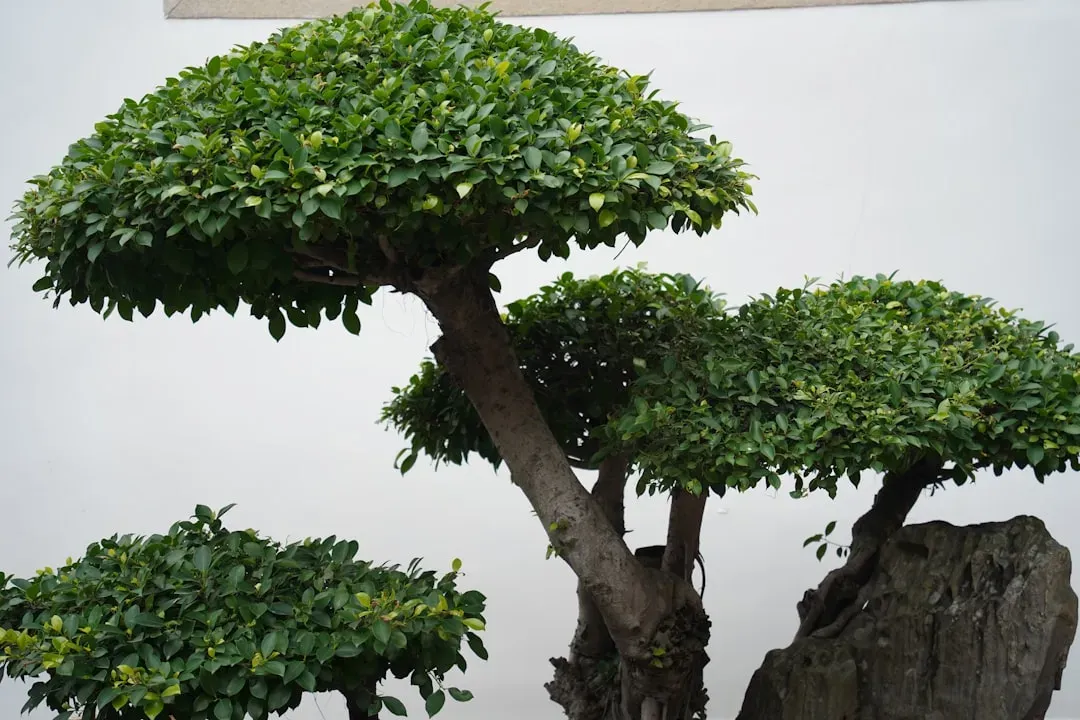
Bonsai pricing reflects training time more than plant cost, with years of careful pruning, wiring, and root work accumulating value that far exceeds the original nursery stock price. A $200 bonsai typically represents 5-10 years of cultivation, while trees exceeding $1,000 often show decades of refinement. Understanding these time investments helps you assess fair market value and recognize when sellers inflate prices based on species hype rather than actual development.
Bonsai Pricing by Experience Level
| Price Range | Experience Level | Typical Characteristics | What You're Paying For |
|---|---|---|---|
| $20-$75 | Beginner | Minimal training, basic health, mass-market stock | Raw material & accessibility |
| $75-$300 | Intermediate | 2-5 years training, established branch structure, good health | Training time & quality material |
| $300+ | Advanced/Collector | 5+ years training, refined aesthetics, rare species/cultivars | Artistic development, provenance, & expertise |
Beginner-Friendly Price Points ($20-$75)
Trees in this range include young pre-bonsai material with basic trunk character but minimal branch development, or mass-produced imports with one to three years of training. Expect trunk diameters of 0.5-1.5 inches, heights of 6-12 inches, and rudimentary nebari that requires further development. Common species at these prices include Chinese elm, juniper procumbens nana, ficus varieties, and jade plants.
These trees serve as excellent learning material where mistakes won't cost you hundreds of dollars. The trunk and root structure provide a foundation you can refine over the next 3-5 years through consistent pruning and repotting. Quality at this price point means healthy roots and living cambium, not refined branch structure or exhibition-ready styling.
Avoid sellers charging premium prices for common species simply because they're labeled "bonsai", a $60 juniper should show better trunk movement and nebari development than the $25 version at a big box store.
Intermediate Investment Trees ($75-$300)
This range includes trees with 5-10 years of training, established branch structure, visible nebari, and trunk diameters of 2-4 inches. You're paying for someone else's time investment in developing the primary branches, creating trunk taper through selective pruning, and establishing surface roots through multiple repotting cycles. Species diversity expands to include Japanese maples, pines, azaleas, and specimen-quality tropicals.
These trees require maintenance and refinement rather than fundamental structural development. The primary branch framework exists, though secondary and tertiary branching needs continued attention. Honestly, this price range offers the best value for practitioners ready to move beyond basic techniques but not yet confident in advanced styling decisions.
Expect trees in proper bonsai pots (though not necessarily expensive handmade ceramics), refined nebari with roots radiating in multiple directions, and trunk movement that creates visual interest from multiple viewing angles.
What Makes Expensive Bonsai Worth the Price
Trees exceeding $300 typically show 10-20+ years of training with refined branch ramification, exceptional nebari, distinctive trunk character, and often placement in quality handmade pots. Premium prices also reflect rare species, difficult-to-cultivate varieties, or work by recognized bonsai artists whose styling commands market premiums. A $1,000 Japanese black pine might display 15 years of careful needle plucking and candle pruning that created dense foliage pads impossible to achieve quickly.
Exhibition-quality trees, those refined enough for juried shows, command prices from $500 into five figures based on age, species rarity, artistic merit, and provenance. These trees represent decades of expert cultivation and serve as living sculptures rather than learning material. The pot alone might cost $200-500 if it's a vintage piece or work by a renowned potter.
Age verification becomes critical at these prices. Reputable sellers provide documentation of the tree's history, previous owners, and training timeline. Be skeptical of claims that a $400 tree is "50 years old", actual training time matters more than the age of the original cutting.
Best Bonsai Species for Different Living Situations
Species selection must match your available growing conditions, with indoor versus outdoor space determining which trees will thrive rather than merely survive. Climate zone, available sunlight, and your willingness to provide winter protection narrow the options further. The most forgiving species tolerate occasional watering lapses and pruning mistakes, making them ideal for building skills before investing in temperamental varieties.
Indoor Bonsai for Apartment Dwellers
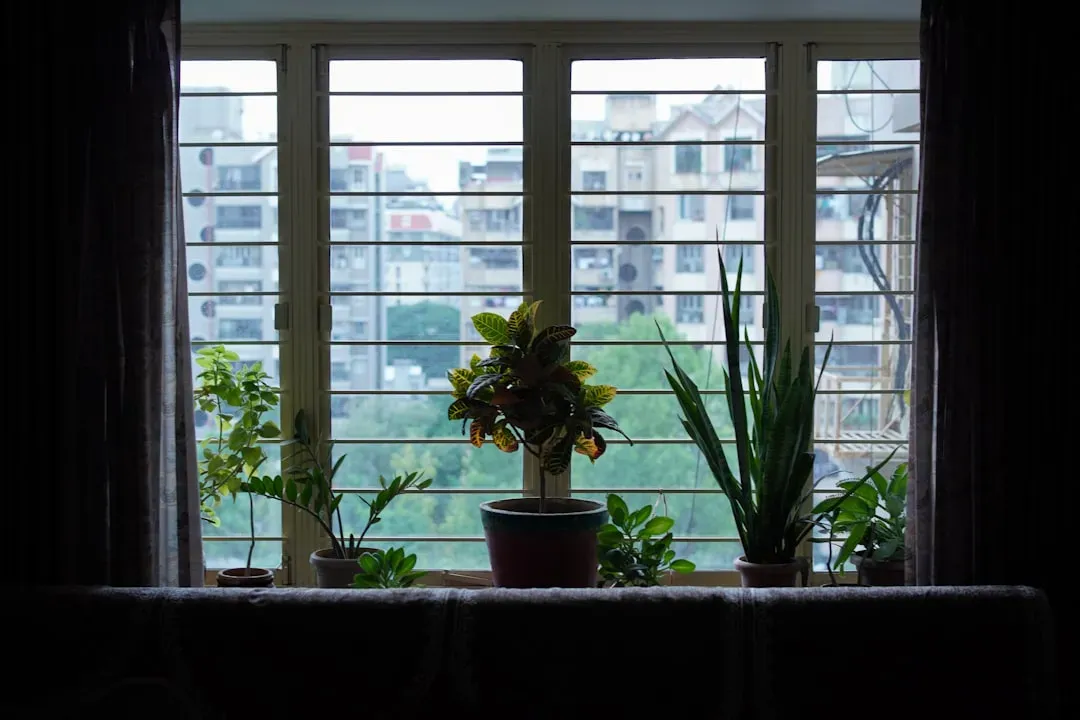
Ficus varieties (particularly Ficus retusa and benjamina) tolerate indoor conditions better than most species, handling lower humidity and consistent temperatures without requiring winter dormancy. Place them within two feet of a south or west-facing window where they receive 4-6 hours of direct sunlight daily. Chinese elm (Ulmus parvifolia) adapts to indoor life if given bright light and occasional outdoor time during warm months, though it prefers outdoor placement year-round in temperate climates.
Jade plants (Crassula ovata) and other succulents survive in apartments with minimal care, though their thick trunks and fleshy leaves create a different aesthetic than traditional bonsai. These species tolerate dry air from heating systems and forgive missed waterings that would kill more sensitive trees. Expect slower growth rates indoors compared to outdoor cultivation, meaning refinement takes longer.
Avoid temperate species like maples, junipers, and pines for indoor cultivation, they require winter dormancy with temperatures below 45°F for 8-12 weeks and will slowly decline if kept indoors year-round (according to Iowa State University Extension guidelines).
Outdoor Hardy Species for Temperate Climates
Juniper varieties (procumbens, chinensis, squamata) handle temperature extremes from USDA zones 4-9 and tolerate both full sun and partial shade. Their evergreen foliage provides year-round interest, and their fibrous root systems recover well from pruning mistakes. Japanese maples (Acer palmatum) offer spectacular fall color and delicate branching but require afternoon shade in hot climates and protection from late spring frosts that damage emerging leaves.
Native species adapted to your specific region perform better than exotic imports requiring special winter protection. Eastern white pine works well in zones 3-8, while live oak thrives in southern zones where freezes are rare. Look, matching species to your USDA hardiness zone eliminates the need for elaborate winter protection structures.
These outdoor species require winter dormancy and cannot be brought indoors permanently. Provide protection from extreme temperature swings by placing trees against a building's north side or in an unheated garage when temperatures drop below 15°F.
Low-Maintenance Options for Beginners
Chinese elm tolerates inconsistent watering better than most species, with established trees surviving brief dry periods without leaf drop or branch dieback. Ficus varieties recover from over-watering and under-watering cycles that would kill more sensitive tropicals, making them forgiving teachers of proper watering technique. Jade plants and other succulents require watering only when soil dries completely, reducing the daily attention that stresses busy practitioners.
Juniper procumbens nana grows slowly, requiring less frequent pruning than vigorous species like privet or Chinese elm. Its dense foliage naturally forms compact pads with minimal wiring, and it tolerates aggressive root pruning during repotting. These characteristics let beginners focus on understanding basic care before tackling species that demand precise timing and technique.
Avoid azaleas, pines, and flowering fruit trees as first bonsai, these species require specific soil pH, precise fertilization schedules, and advanced techniques like defoliation or candle pruning to maintain health and achieve refinement.
How to Evaluate Online Sellers and Avoid Scams
Online bonsai sales attract fraudulent sellers using stock photography, inflated age claims, and unrealistic pricing to exploit buyers unfamiliar with quality standards. Legitimate retailers photograph the actual tree you'll receive, provide detailed species information including cultivar names, and maintain transparent shipping and guarantee policies. Verification requires checking multiple sources and asking specific questions that reveal whether sellers possess actual horticultural knowledge.
Red Flags in Product Photos and Descriptions
Stock photography showing perfect trees against plain white backgrounds or obviously professional studio lighting indicates you won't receive the pictured specimen. Legitimate sellers photograph trees in their growing facilities with visible bench backgrounds, natural lighting, and slight imperfections that prove authenticity. Multiple photos from different angles, close-ups of the nebari and trunk detail, and images showing the tree in its actual pot all suggest honest representation.
Descriptions claiming "100-year-old bonsai" for trees priced under $200 are fraudulent, actual century-old specimens sell for thousands or tens of thousands of dollars. Vague species names like "Japanese bonsai tree" or "lucky bonsai" without specific botanical names (genus and species) indicate sellers lacking horticultural knowledge. Legitimate descriptions include trunk diameter measurements, exact height specifications, and honest assessments of the tree's training stage.
Be skeptical of claims that trees are "easy to care for" or "require minimal maintenance", all bonsai demand regular attention, and sellers minimizing care requirements are setting you up for failure and disappointment.
Verifying Seller Credentials and Reviews
Search the seller's name plus "bonsai" in forums like BonsaiNut or Reddit's r/Bonsai to find unfiltered customer experiences and complaints. Check how long the business has operated by searching domain registration dates and looking for archived versions of their website showing consistent operation over years. Legitimate businesses maintain active social media accounts with regular posts showing their actual inventory and growing facilities, not just promotional content.
Read negative reviews carefully, patterns of trees arriving dead, mismatched species, or unresponsive customer service indicate unreliable sellers. Single negative reviews among hundreds of positive ones might reflect shipping accidents, but multiple complaints about the same issues reveal systemic problems. Look for reviews that include photos of received trees and specific details about the transaction rather than generic praise.
Understanding Shipping Guarantees and Return Policies
Reputable sellers guarantee live arrival and ship using expedited services (2-3 day maximum) with tracking numbers provided automatically. They pack trees in sturdy boxes with the pot secured and branches protected by paper or foam, including care instructions and their contact information for follow-up questions. Live arrival guarantees require you to photograph any damage or dead material immediately upon delivery and notify the seller within 24-48 hours.
Return policies should specify the timeframe (typically 7-14 days) and conditions under which returns are accepted. Some sellers charge restocking fees or require you to pay return shipping, which is reasonable for buyer's remorse but shouldn't apply to trees that arrive dead or severely damaged. Avoid sellers with "all sales final" policies or those requiring you to keep trees for 30 days before claiming they arrived unhealthy.
Shipping costs of $20-40 for a small bonsai are normal due to expedited service requirements and careful packing materials. Suspiciously low shipping fees might indicate inadequate packing or slow shipping methods that stress trees beyond recovery.
What to Expect When Your Bonsai Arrives
Trees arriving by mail experience significant stress from darkness, temperature fluctuations, and restricted air circulation during transit. Even healthy specimens need recovery time before you begin styling work or make major care changes. Understanding normal shipping stress versus serious problems helps you respond appropriately rather than panicking over temporary leaf drop or slightly dry soil.
Immediate Care Steps After Unboxing
Remove the tree from its shipping box immediately and inspect for broken branches, loose soil, or pest activity that might have occurred during transit. Place the tree in a shaded location (not full sun) even if the species normally requires bright light, the foliage needs time to adjust after several days in darkness. Water thoroughly until liquid drains from the pot's bottom holes, ensuring the entire root mass receives moisture after potentially drying during shipment.
Avoid repotting, fertilizing, or pruning for at least two weeks while the tree acclimates to your growing conditions. The roots need time to resume normal function after shipping stress, and any additional disturbance compounds the trauma. If the tree arrives during extreme heat or cold, keep it in a protected location (garage, covered porch, or indoors near a window) until temperatures moderate.
Document the tree's condition with photos from multiple angles within 24 hours of arrival. This protects you if problems develop that require filing a claim with the seller's guarantee policy, and it creates a baseline for tracking the tree's recovery and future development.
Normal Stress Responses vs. Serious Problems
Slight leaf yellowing or dropping 10-20% of foliage within the first week represents normal shipping stress, especially for ficus and other tropical species sensitive to temperature changes. Deciduous trees shipped during their growing season might drop leaves entirely and push new growth within 2-3 weeks. These responses, while alarming, don't indicate the tree is dying, they're temporary adjustments to new conditions.
Serious problems include brown, mushy roots when you check by gently lifting the tree from its pot, completely brittle branches that snap rather than bend, or foul odors from the soil indicating root rot. Extensive pest infestations (webbing covering multiple branches, dozens of visible insects, or sticky honeydew coating leaves) suggest the tree was already compromised before shipping. Contact the seller immediately with photos if you observe these conditions.
Outdoor hardy species arriving during their dormant season show no leaves and might appear dead to inexperienced eyes. Scratch test the bark, green cambium underneath confirms the tree is alive and will leaf out when temperatures warm and day length increases in spring.
When to Contact the Seller About Issues
Notify the seller within their specified timeframe (usually 24-48 hours) if the tree arrives with broken main branches, completely dry soil with crispy foliage, or obvious signs of death like brown cambium throughout the trunk. Include clear photos showing the damage, the shipping label with tracking number, and the tree still in its original packing materials if possible. Most reputable sellers respond within one business day and either offer replacement or refund without requiring you to return the dead tree.
For minor issues like small broken branches or slightly loose soil, contact the seller for advice but don't necessarily expect replacement, some damage during shipping is unavoidable despite careful packing. Well, honestly, sellers appreciate knowing about problems even if they can't offer compensation, as patterns of damage help them improve packing methods.
Wait at least two weeks before contacting sellers about leaf drop or yellowing unless the entire tree turns brown and brittle. Shipping stress causes temporary symptoms that resolve with proper care, and premature complaints damage your credibility if you later experience actual problems requiring seller intervention.
Essential Questions to Ask Before You Buy
Asking specific questions reveals seller knowledge and helps you assess whether a tree matches your growing conditions and skill level. Generic responses or evasive answers indicate sellers who lack horticultural expertise or are hiding quality issues. Legitimate sellers welcome detailed questions and provide thorough answers that demonstrate their experience.
Questions About the Tree's History and Care
Ask how long the tree has been in training and when it was last repotted, answers like "approximately 5 years" and "repotted last spring" provide realistic expectations about development stage and immediate care needs. Request information about the tree's winter care if you're buying an outdoor species: has it been kept outdoors year-round, or has it been in a greenhouse that might make it less cold-hardy? Trees grown in protected environments need gradual acclimation to full outdoor conditions.
Find out what fertilizer regimen the seller has used and when the tree was last fed. This tells you whether to begin fertilizing immediately or wait until the tree depletes its current nutrient reserves. Ask about any pest or disease issues the tree has experienced and how they were treated, a history of spider mites or scale doesn't disqualify a tree, but you need to monitor for recurrence.
Request details about the pot: is it included in the price, is it a training pot or a presentation pot, and does the seller recommend keeping the tree in this container or repotting soon? Some sellers photograph trees in attractive pots that aren't included in the sale price, creating confusion about what you're actually purchasing.
Clarifying Species-Specific Requirements
Ask whether the species requires winter dormancy and what temperature ranges it tolerates, this is critical for apartment dwellers who might assume any bonsai can live indoors. Request specific light requirements in measurable terms (hours of direct sun per day) rather than vague descriptions like "bright indirect light." Find out the species' water needs: does it prefer consistently moist soil, or should you let it dry slightly between waterings?
Inquire about the species' growth rate and pruning frequency. Fast-growing trees like Chinese elm and ficus need trimming every 2-3 weeks during the growing season, while slow-growing pines and junipers require attention only a few times annually. Understanding this time commitment helps you choose species matching your available attention span.
Ask about the species' sensitivity to environmental changes, some trees like ficus drop leaves dramatically when moved or when temperature changes, while others adapt readily. This information prepares you for normal behavior rather than causing panic when leaves drop after the tree arrives.
Shipping and Guarantee Details
Confirm the shipping timeline and method before purchasing, trees should arrive within 2-3 days maximum using expedited services, never standard ground shipping that takes 5-7 days. Ask whether shipping insurance is included or optional, and whether the seller requires signature upon delivery (recommended for expensive trees). Find out if there are temperature restrictions: many sellers won't ship when forecast temperatures exceed 85°F or drop below 32°F at origin or destination.
Clarify exactly what the live arrival guarantee covers and what documentation you need to provide if the tree arrives dead or damaged. Some guarantees cover only DOA (dead on arrival), while others extend to trees that decline within 7-14 days. Ask whether the seller provides replacement trees or refunds, and who pays shipping costs for replacements.
Request information about the seller's typical response time for customer service questions after purchase. Knowing you can email photos and get advice within 24-48 hours provides valuable peace of mind, especially for first-time buyers uncertain about normal versus problematic symptoms.
Related Articles
- Bonsai Trees for Sale: Where to Buy & What to Look For
- Bonsai Tree Types: 15+ Species for Every Skill Level
- Bonsai Tree Care: Complete Maintenance Guide for Beginners
- Complete Guide to Bonsai Trees: Care, Types & Growing Tips
- Indoor Bonsai Trees: Best Species & Care Requirements
Frequently Asked Questions
Is it safe to buy bonsai trees online, and what should I look for to avoid scams?
Yes, buying from reputable online retailers is safe if you verify seller credentials, check customer reviews on bonsai forums, and confirm they photograph the actual tree you'll receive rather than using stock images. Avoid sellers with vague descriptions like "juniper bonsai" instead of specific cultivar names, and always confirm they offer live arrival guarantees and replacement policies before purchasing.
Can I buy a quality bonsai tree from Home Depot or Lowe's?
Big box stores occasionally stock acceptable beginner material at budget-friendly prices ($20-$40), but quality is typically low-medium and care support is minimal. These trees work for budget-conscious beginners willing to accept higher risk, but serious buyers should choose specialized retailers or local nurseries for better specimens and ongoing support.
What's the difference between a $50 bonsai and a $500 bonsai?
Price differences reflect trunk character, root quality (nebari), training age, and documented provenance. Expensive trees have superior trunk taper, visible surface roots, established branch structure, and verifiable training histories. Budget trees are often young material or mass-produced stock with minimal development, while premium trees are mature specimens with years of professional cultivation.
How do I find local bonsai sellers or clubs in my area?
Visit the American Bonsai Society's website, which maintains a state-by-state club directory with contact information. Local clubs connect you with member growers selling from personal collections, provide in-person inspection opportunities, and offer community mentorship—eliminating shipping risks while building relationships with experienced cultivators.
What should I inspect before buying a bonsai tree in person?
Check for trunk taper (thicker at base, thinner toward top), visible surface roots (nebari), healthy branch structure, and overall plant vigor including leaf color and firmness. Avoid trees with weak trunks, sparse branching, yellowing foliage, or signs of pest damage or disease, regardless of the seller's price or claims.
What happens if my bonsai arrives damaged or dead after shipping?
Reputable online retailers guarantee live arrival with replacement policies—contact the seller immediately with photos of the damage. Established retailers like Eastern Leaf and Brussel's Bonsai will replace trees that don't survive shipping, but you must report issues promptly and follow their documentation procedures to qualify for replacements.
Which bonsai species is best for a beginner buying online?
Look for hardy, low-maintenance species suited to your climate—outdoor ficus or junipers for warm areas, or hardy deciduous trees like maples for temperate zones. Ask the seller about the specific species' care requirements and whether it's suitable for your living situation before purchasing, as this prevents costly mistakes with unsuitable specimens.
What questions should I ask a seller before buying a bonsai tree?
Ask about the tree's training history and age, specific species and cultivar name, watering and light requirements, shipping timeline and guarantees, and the seller's return policy. Also clarify whether the tree is pre-bonsai material or an established specimen, and request care instructions specific to that species before committing to purchase.