Juniper Bonsai Tree: Complete Care & Styling Guide
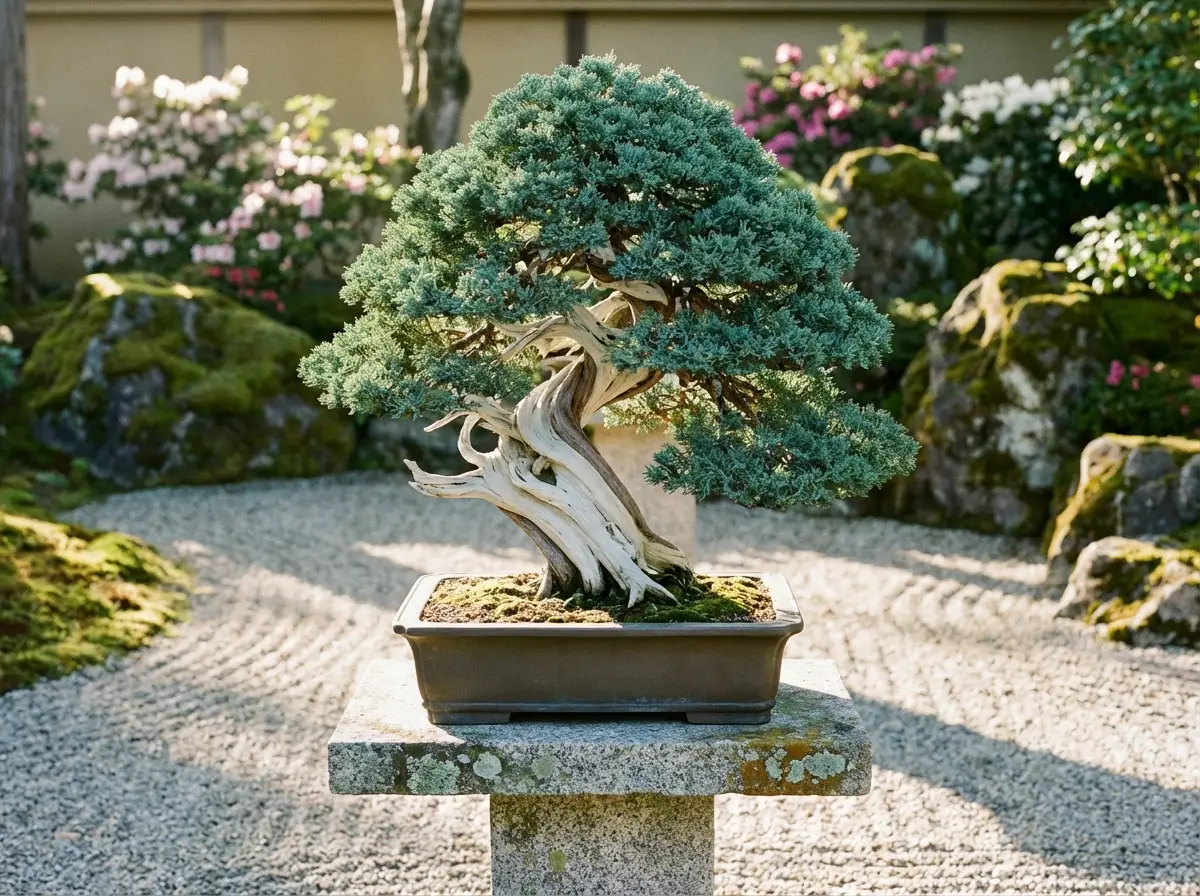
Juniper bonsai trees must live outdoors year-round because they are temperate climate species requiring winter dormancy to survive. Unlike tropical houseplants, junipers need exposure to seasonal temperature changes, including cold periods below 45°F, to complete their natural growth cycles. Keeping a juniper indoors, despite what some retailers suggest, will gradually weaken and eventually kill the tree within months to a year. Your juniper needs full sun, natural rainfall patterns, and temperature fluctuations that only outdoor placement provides.
Table of Contents
- Why Juniper Bonsai Must Live Outdoors Year-Round
- The Science Behind Juniper Dormancy Requirements
- Choosing the Right Outdoor Location
- Essential Watering and Humidity Management
- Daily Watering Routines Through the Seasons
- Recognizing Water Stress Before It's Too Late
- Fertilizing, Soil, and Repotting Your Juniper Bonsai
- Fertilizer Schedule and Product Selection
- When and How to Repot (Every 2-3 Years)
- Pruning and Wiring Techniques for Shaping
- Basic Pruning: Maintenance vs. Structural Work
- Introduction to Wiring and Shaping Branches
- Popular Juniper Bonsai Styles Explained
- Winter Care and Seasonal Protection Strategies
- Winter Protection by Climate Zone
- Winter Watering and Monitoring
- Common Problems and How to Fix Them
This guide walks you through the practical realities of juniper bonsai care, from establishing proper watering routines to shaping techniques that develop over years rather than weeks. You'll learn to recognize what healthy growth looks like through the seasons and how to address problems before they become irreversible.
Why Juniper Bonsai Must Live Outdoors Year-Round
The single most important fact about juniper bonsai: they are outdoor trees, period. (According to Clemson Cooperative Extension), temperate climate species like junipers require winter rest periods at temperatures below 50°F and will not survive indoors. This isn't a matter of providing enough light or humidity, the biology of these trees demands seasonal dormancy.
Juniper Bonsai Seasonal Care Requirements
| Season | Temperature Range | Sunlight Needs | Watering Frequency | Key Focus |
|---|---|---|---|---|
| Spring | 50-70°F | 6+ hours direct sun | Daily, as soil dries | New growth, fertilizing begins |
| Summer | 65-85°F | 6+ hours direct sun (afternoon shade in zones 8-9) | Daily to twice daily | Consistent moisture, pest monitoring |
| Fall | 45-65°F | 6+ hours direct sun | Daily, reducing as temps drop | Prepare for dormancy, reduce fertilizer |
| Winter | Below 50°F (dormancy required) | Full sun when available | Reduce frequency, keep slightly moist | Cold stratification (400-800 chill hours), minimal growth |
Retailers often market junipers as indoor bonsai because they ship well and look appealing on store shelves. This misleading practice has killed countless trees owned by well-intentioned beginners who followed the care tags included with their purchase. Your juniper evolved to withstand mountain winters, not the constant 68-72°F environment of your living room.
The Science Behind Juniper Dormancy Requirements
Junipers enter dormancy as day length shortens and temperatures drop in autumn. During this period, the tree's metabolism slows dramatically, root growth pauses, and the cambium layer, the living tissue beneath the bark, hardens to protect against freezing damage. This process, called cold stratification, requires 400-800 chill hours (time spent between 32-45°F) depending on the juniper species.
Without adequate winter cold, junipers cannot properly regulate their growth hormones for the following spring. (According to University of Maryland Extension), hardy species like junipers require exposure to outdoor winter temperatures in order to go dormant. Trees denied this cycle show progressively weaker spring growth, sparse foliage, and increased susceptibility to pests and diseases.
The indoor environment compounds these problems. Central heating creates desert-dry air that desiccates juniper foliage faster than you can compensate with misting. Low light levels, even near south-facing windows, provide perhaps 20% of the full sun intensity junipers need. The tree slowly starves while simultaneously being denied its biological imperative to rest.
Choosing the Right Outdoor Location
Your juniper needs a spot receiving at least six hours of direct sunlight daily during the growing season. Morning sun with afternoon shade works in hot climates (zones 8-9), but most regions should provide full sun exposure. (According to Clemson Cooperative Extension), most outdoor bonsai require full sun during the growing season for healthy, compact growth.
Place your tree where you'll see it daily, this matters more than you might think. Bonsai positioned along a frequently traveled path get noticed, checked, and watered consistently. Trees relegated to forgotten corners of the yard often die of neglect before developing problems become obvious. A patio table, deck railing, or bench near your back door creates accountability through visibility.
Wind protection deserves consideration, particularly for cascade-style trees with dramatic movement. Constant wind desiccates foliage and can topple lightweight pots. A location with natural windbreaks (fences, building walls, larger plants) moderates these effects without eliminating the air circulation junipers need to prevent fungal issues.
For older practitioners concerned about mobility, staging your trees at waist height eliminates bending and kneeling. Tiered plant stands or custom benches bring your collection to a comfortable working height for watering, pruning, and inspection. I learned this lesson the hard way with a cascade juniper I placed on a decorative stand at the far corner of my yard—it looked stunning positioned against the fence line, but I only walked past it once or twice a week. By the time I noticed the soil had gone bone-dry and the foliage was bronzing, the tree had already lost several branches. Now I keep my junipers on a shelf right outside my kitchen window where I see them every time I do dishes, and I haven't lost a tree to neglect since.
Essential Watering and Humidity Management
Watering kills more bonsai than any other single factor, yet the technique itself is straightforward: water thoroughly when the soil surface begins to dry, then wait until it approaches that state again. The challenge lies in reading your specific tree's needs, which shift with temperature, wind, pot size, and growth phase.
Indoor vs. Outdoor Juniper Bonsai: Why Outdoor Placement is Essential
| Factor | Indoor Environment | Outdoor Environment | Impact on Juniper Health |
|---|---|---|---|
| Winter Dormancy | Constant 68-72°F, no cold period | Natural temperature drops below 50°F | Outdoor enables required cold stratification; indoor prevents dormancy, weakening tree |
| Light Intensity | 20% of full sun (even south-facing windows) | 100% full sun (6+ hours daily) | Outdoor provides adequate light for compact growth; indoor causes slow starvation |
| Air Humidity | Dry (central heating desiccates foliage) | Natural moisture from rainfall and air circulation | Outdoor humidity prevents desiccation; indoor requires constant misting (insufficient) |
| Growth Hormone Regulation | Disrupted by lack of seasonal cues | Natural photoperiod and temperature changes | Outdoor cycles enable proper hormone balance; indoor causes sparse foliage and pest susceptibility |
| Survival Timeline | Gradual decline over months to 1 year | Thrives year-round with proper care | Indoor placement is ultimately fatal; outdoor placement sustains long-term health |
(According to Virginia Bonsai Society), the best way to determine if watering is needed is to check soil moisture by inserting your finger about half an inch into the soil. The surface may appear dry while the root zone retains adequate moisture. Your juniper needs water when soil at knuckle depth feels barely damp rather than wet.
Daily Watering Routines Through the Seasons
Summer demands daily attention, often twice daily during heat waves above 85°F. Your juniper's shallow bonsai pot holds limited water, and full sun exposure accelerates evaporation. Check soil moisture each morning; if the surface has dried since the previous evening, water until it runs freely from drainage holes.
Spring and fall watering frequency drops to every 2-3 days as temperatures moderate and the tree's water demands decrease. Growth remains active during these seasons, so don't reduce watering too aggressively. The soil should dry slightly between waterings but never become completely desiccated.
Winter watering becomes sporadic but remains necessary. Dormant trees use minimal water, but their roots still require moisture to survive. Check weekly and water when the soil feels dry an inch below the surface. Frozen soil prevents water absorption, so water during brief warm periods when temperatures rise above freezing.
Recognizing Water Stress Before It's Too Late
Drought stress appears first in the foliage. Healthy juniper needles show deep green color with slight shine and feel slightly firm when pinched gently. Water-stressed foliage loses this firmness, taking on a softer texture, and the color shifts toward gray-green or develops a dusty appearance.
Overwatering symptoms develop more slowly but prove equally deadly. Constantly soggy soil suffocates roots, preventing oxygen uptake and encouraging root rot. The first visible sign: foliage yellowing that begins in the tree's interior rather than at branch tips. Affected needles eventually turn brown but remain attached to branches, unlike drought-stressed needles that drop readily.
Lift your pot occasionally to gauge its weight when properly watered versus when dry. This tactile memory helps you assess moisture status without disturbing the soil. A properly watered juniper in a standard training pot feels noticeably heavy; that same pot when dry feels surprisingly light.
Fertilizing, Soil, and Repotting Your Juniper Bonsai
Junipers grow in shallow containers with limited soil volume, making regular fertilization essential for maintaining vigor. The restricted root space and frequent watering leach nutrients faster than trees planted in the ground experience.
Fertilizer Schedule and Product Selection
Begin fertilizing in early spring when buds swell and new growth emerges, typically March or April depending on your climate zone. (According to Chicago Botanic Garden), fertilize outdoor bonsai from early spring through fall using a balanced fertilizer, stopping in winter when the tree is dormant. Apply a balanced fertilizer (10-10-10 or 20-20-20 NPK ratio) at half the recommended strength every two weeks through summer.
Reduce feeding frequency to monthly in early fall (September-October) as growth slows. This tapering allows the tree to harden off before winter without promoting tender late-season growth vulnerable to frost damage. Stop all fertilization by November in most climates, or when nighttime temperatures consistently drop below 50°F.
When and How to Repot (Every 2-3 Years)
Junipers need repotting every 2-3 years for young trees, extending to 3-5 years for mature specimens. (According to Clemson Cooperative Extension), young, vigorous trees may need repotting every year, while older, more mature trees may go 3 to 5 years between repotting. Signs that repotting time has arrived: water drains slowly through the pot, roots circle visibly at the soil surface, or growth weakens despite proper care.
Repot in early spring just before new growth begins, when soil temperatures reach 45-50°F consistently. This timing allows roots to heal and establish before the tree faces summer heat stress. Remove the tree from its pot and use a root hook to gently comb away the outer third of the root mass, working from the outside toward the trunk.
Trim circling roots and any thick roots growing downward without branching, these contribute little to the tree's health and waste valuable pot space. (According to Chicago Botanic Garden), bonsai soil should be fast-draining and provide good aeration, typically using a mix of akadama, pumice, and lava rock.
A practical soil mixture for junipers: 40% akadama (or calcined clay if akadama is unavailable), 30% pumice, 30% lava rock. This combination drains freely while retaining adequate moisture between waterings. Avoid regular potting soil, it holds too much water and compacts over time, suffocating roots. After repotting, water thoroughly and place the tree in partial shade for two weeks while roots recover.
Pruning and Wiring Techniques for Shaping
Juniper styling develops gradually through repeated pruning and wiring sessions spread across years. The tree's response to each intervention guides your next decisions, creating a dialogue between practitioner and plant.
Basic Pruning: Maintenance vs. Structural Work
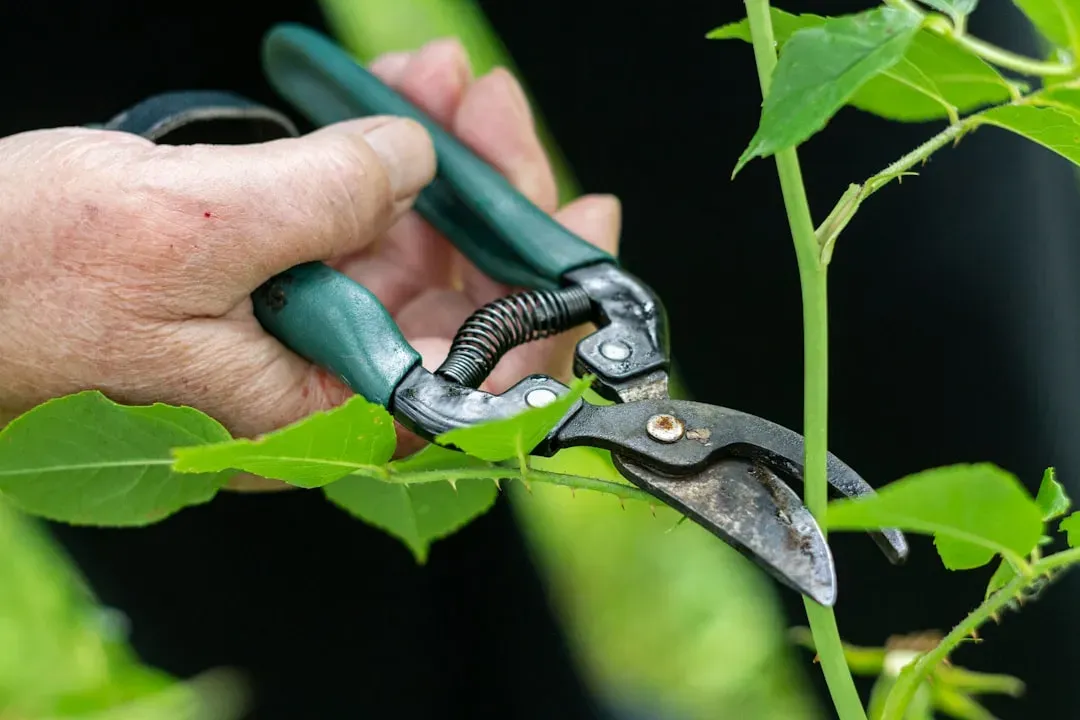
Maintenance pruning happens throughout the growing season and involves pinching new growth to maintain the tree's established shape. When new shoots extend beyond the foliage silhouette, pinch them back by grasping the soft tip between thumb and forefinger and plucking it away. This technique, done every 2-3 weeks during active growth, encourages dense branching and prevents leggy extension.
Structural pruning removes entire branches to establish the tree's basic framework and happens once or twice yearly during late winter or early summer. Identify branches that cross inward toward the trunk, grow straight up or down without movement, or create clutter in already-dense areas. Remove these branches cleanly at their junction with the parent branch using sharp concave cutters.
The most common pruning mistake: removing too much foliage at once. Junipers tolerate aggressive pruning better than many species, but removing more than one-third of the total foliage in a single session stresses the tree unnecessarily. Major structural work should be staged across multiple years, allowing the tree to recover vigor between interventions. The first time I attempted structural pruning, I removed a thick branch that had been bothering me aesthetically, only to realize later it was actually the primary movement in that section of the tree—without it, the whole left side looked flat and lifeless. I've learned to live with questionable branches for at least a full season, observing them through different growth cycles, before making the cut. That patience has saved me from removing branches that I later realized were contributing back-branching or creating depth I couldn't see at first glance.
Introduction to Wiring and Shaping Branches
Wiring allows you to position branches precisely, creating the movement and taper that distinguish refined bonsai from pruned shrubs. (According to Chicago Botanic Garden), wiring should be done during the growing season when branches are flexible, typically late spring through summer for junipers. Select anodized aluminum wire in a gauge approximately one-third the diameter of the branch you're shaping.
Anchor the wire by inserting one end into the soil near the trunk or wrapping it around a stable branch, then spiral the wire along the branch at a 45-degree angle. The coils should sit snug against the bark without cutting into it, spaced evenly like a barber pole.
Leave wire in place for 6-12 months, checking monthly for signs of wire cutting into the bark as the branch thickens. Remove wire before it embeds by cutting it into short sections with wire cutters rather than unwinding it, which can snap branches. If the branch hasn't set in position after 12 months, remove the wire, let the branch rest for 2-3 months, then rewire if needed.
Popular Juniper Bonsai Styles Explained
Informal upright style features a trunk with gentle curves rising from the pot, with branches distributed alternately along its length. The apex leans slightly forward, creating depth and visual interest. This style suits junipers with moderate trunk movement and works well for beginners learning branch placement principles.
Cascade style mimics trees growing on cliffs, with the trunk flowing downward past the pot's base. The dramatic downward movement requires secure anchoring and looks most convincing when the lowest point extends below the pot's bottom by at least the pot's height.
Literati or bunjin style strips away all but essential branches, emphasizing the trunk's character and negative space. The sparse branching and exposed trunk line create an aesthetic of elegant simplicity, suggesting ancient trees surviving harsh mountain conditions.
Winter Care and Seasonal Protection Strategies
Winter separates successful juniper cultivation from frustrating losses. Your tree needs cold dormancy but also protection from the most extreme conditions that can desiccate roots or crack pots.
Winter Protection by Climate Zone
Zones 7-9 require minimal intervention for most juniper species. Position trees where they're protected from harsh winds but remain exposed to natural precipitation and temperature cycles. A location on the north or east side of your house provides wind protection while maintaining cold exposure. Mulching the soil surface with pine bark helps moderate temperature swings.
(According to University of Maryland Extension), when temperatures drop below 20°F, move plants to an unheated garage or shed, or protect them with mulch. In zones 5-6, use a cold frame or unheated garage when temperatures fall into the teens. The goal is protecting roots from repeated freeze-thaw cycles while maintaining dormancy, not preventing all freezing.
Zone 4 and colder regions should bury pots in the ground up to the rim and cover the entire tree with mulch or evergreen boughs once the ground freezes solidly. This technique, called overwintering in the ground, insulates roots from temperature extremes while maintaining the cold exposure necessary for proper dormancy.
Winter Watering and Monitoring
Dormant trees need far less water than during active growth, but they still require moisture to prevent root desiccation. Check soil moisture weekly during winter by pressing your finger an inch deep into the soil. If it feels dry at that depth and temperatures are above freezing, water thoroughly during the warmest part of the day.
Monitor foliage color throughout winter. Many juniper species develop bronze or purple tints in cold weather, this is normal and indicates proper dormancy, not distress. However, if foliage turns brown and brittle or branches show shriveling bark, the tree is experiencing desiccation and needs immediate watering if temperatures allow.
Common Problems and How to Fix Them
Juniper problems typically develop slowly, giving you time to intervene before damage becomes irreversible. Learning to recognize early warning signs and understanding the underlying causes prevents minor issues from escalating.
Spider mites appear as fine webbing between needles and cause stippled yellowing of foliage. These tiny pests thrive in hot, dry conditions and can defoliate a tree within weeks if left unchecked. Spray affected trees with a strong stream of water every 2-3 days to dislodge mites, or apply horticultural oil if infestations persist.
Root rot develops from chronically wet soil and appears as yellowing foliage that progresses from the tree's interior outward. Affected roots turn brown or black and feel mushy when examined. If caught early, repot immediately into fresh, well-draining soil after removing all diseased roots. Severe cases often prove fatal, honestly, making prevention through proper watering and soil composition critical.
Brown needle tips indicate several possible issues: drought stress, fertilizer burn, or winter desiccation. Examine the pattern of browning to diagnose the cause. Drought stress browns from branch tips inward, fertilizer burn creates scattered brown patches, and winter damage typically affects the side of the tree facing prevailing winds.
Bare interior branches result from insufficient light penetration or neglected pruning. Junipers concentrate growth at branch tips where light is strongest, gradually shading out interior growth. Regular pinching of new growth and periodic thinning of dense foliage areas maintains interior bud development. Once branches go completely bare, they rarely resprout, prevention through consistent maintenance proves far easier than correction. "The most common killer of bonsai is overwatering, which leads to root rot," says Brent Walston, professional bonsai artist and owner of Evergreen Gardenworks. "Once you see yellowing from the inside out, you need to act immediately—remove the tree from its pot, cut away all brown mushy roots with sterilized tools, and repot in completely fresh soil."
Your juniper bonsai rewards patient, consistent care with decades of development and seasonal beauty. The techniques described here form a foundation you'll refine through years of observation and practice, learning to read your specific tree's responses and adjusting your approach accordingly. Start with proper placement outdoors, establish reliable watering habits, and let styling decisions unfold gradually as you develop confidence in your skills.
Related Articles
- Bonsai Tree Care: Complete Maintenance Guide for Beginners
- Bonsai Tree Types: 15+ Species for Every Skill Level
- Bonsai Tree Wiring: Techniques for Shaping & Training
- How to Water Bonsai Trees: Complete Watering Guide
- Japanese Maple Bonsai: Care Guide & Styling Tips
- Outdoor Bonsai Tree Care: Seasonal Maintenance Tips
Frequently Asked Questions
Can I keep my juniper bonsai indoors during winter only?
No. Junipers must live outdoors year-round, not just during growing season. They need consistent exposure to seasonal temperature changes and winter dormancy (below 50°F for 400-800 chill hours) to survive. Bringing them indoors even for winter will disrupt their natural cycle and gradually weaken the tree.
Why do store tags say junipers can be indoor bonsai?
Retailers market junipers as indoor bonsai because they ship well and look attractive on shelves, not because it's actually healthy for the tree. This misleading practice has killed countless trees owned by beginners who followed incorrect care instructions. Junipers evolved for mountain winters and cannot survive constant indoor temperatures of 68-72°F.
How often should I water my juniper bonsai?
Water daily during spring and summer as the soil dries, and potentially twice daily in peak summer heat. In fall, reduce frequency as temperatures drop. During winter dormancy, water less frequently but keep soil slightly moist. Always check soil moisture before watering rather than following a fixed schedule.
What temperature range does a juniper bonsai need?
Junipers thrive in 50-70°F during spring, 65-85°F in summer, and 45-65°F in fall. Most critically, they require winter temperatures below 50°F to enter dormancy and complete their natural growth cycle. This cold period is non-negotiable for long-term tree health.
How much sunlight does a juniper bonsai need?
Your juniper needs at least 6+ hours of direct sunlight daily during the growing season. In hot climates (zones 8-9), morning sun with afternoon shade is acceptable, but most regions should provide full sun exposure. Even south-facing windows indoors provide only about 20% of the light intensity junipers require.
When should I repot my juniper bonsai?
Repot your juniper every 2-3 years. The best timing is in spring as new growth begins, after the tree has emerged from winter dormancy. This allows the tree to recover quickly and establish new roots during the active growing season.
What is cold stratification and why does my juniper need it?
Cold stratification is the hardening process where a juniper's cambium layer (living tissue under bark) toughens to protect against freezing during winter dormancy. Junipers require 400-800 chill hours (time spent between 32-45°F) to properly regulate growth hormones for spring. Without this cycle, trees show weak spring growth, sparse foliage, and increased pest susceptibility.