Bonsai Tree Care: Expert Guide to Watering, Pruning & Maintenance
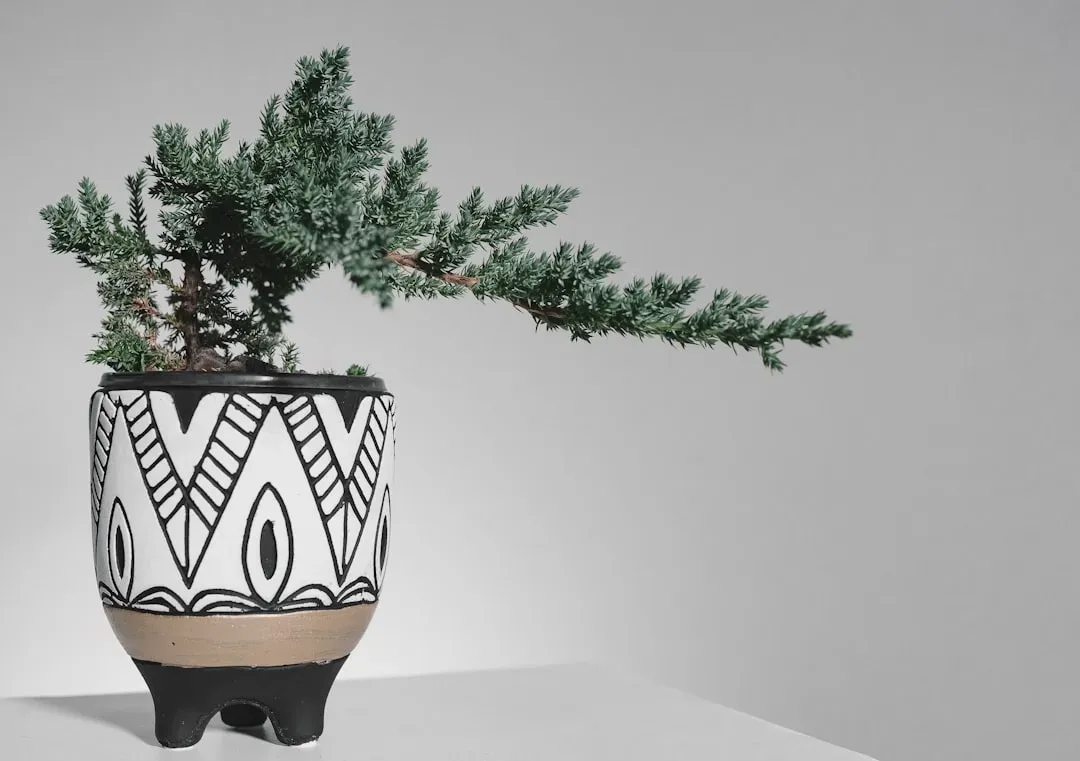
Bonsai tree care requires consistent attention to watering, pruning, soil quality, and environmental conditions rather than innate talent or mysterious techniques. Your tree will thrive when you learn to read its signals for water needs, prune at appropriate times for your species, and provide proper light exposure based on whether you're growing tropical or temperate varieties. The commitment involves daily observation during growing season and weekly maintenance tasks, but these practices become intuitive after your first year of hands-on experience.
Table of Contents
- Understanding Your Bonsai: What Makes These Trees Different
- The Art and Science Behind Bonsai
- Choosing the Right Bonsai for Your Lifestyle
- Mastering Bonsai Watering: Beyond 'Water When Dry'
- The Finger Test and Other Moisture Assessment Methods
- Watering Frequency by Season and Species
- Proper Watering Techniques and Water Quality
- Essential Pruning and Shaping Techniques
- When and What to Prune Throughout the Year
- Pruning Tools and Arthritis-Friendly Techniques
- Soil, Repotting, and Root Care Fundamentals
- Understanding Bonsai Soil Composition
- Step-by-Step Repotting Guide
- Feeding Your Bonsai: Fertilization Made Simple
- Seasonal Fertilization Schedule
- Choosing the Right Fertilizer
- Light, Temperature, and Positioning Requirements
- Indoor Bonsai Light and Environment
- Outdoor Bonsai Placement and Seasonal Protection
- Common Bonsai Problems: Diagnosis and Solutions
- Wiring and Advanced Shaping Techniques
- Creating an Accessible Bonsai Care Routine
- Year-Round Bonsai Care Calendar
Well, let me be direct: bonsai cultivation isn't difficult, but it does demand consistency. You'll develop the skills through practice, not through reading alone.
Understanding Your Bonsai: What Makes These Trees Different
Bonsai are regular trees kept small through cultivation techniques, not genetically modified dwarf plants (USDA Agricultural Research Service). Your ficus, juniper, or maple contains the same biological systems as its full-sized relatives. The difference lies in how you manage root growth, branch development, and resource allocation through deliberate intervention.
This distinction matters because it shapes your entire care approach. You're not maintaining a houseplant that naturally stays compact. You're actively directing a tree's growth through pruning, wiring, and root management to keep it proportional to its container.
The Art and Science Behind Bonsai
The rule of three governs bonsai aesthetics: your tree's height should be roughly three times the diameter of its trunk at the base. This proportion creates visual balance that reads as mature rather than stunted. The lowest branch typically emerges at one-third the tree's height, establishing the framework for your design.
Beyond proportions, bonsai cultivation manipulates apical dominance, the tendency for upper branches to grow more vigorously than lower ones. Pruning top growth redirects energy to lower branches, maintaining the tapered shape that distinguishes refined bonsai from neglected shrubs. In my own experience, this intentional redirection has saved many a tree from becoming unruly.
The specialized care stems from container restrictions. Shallow pots limit root growth, which naturally limits foliage production, but this same restriction means you're managing a tree with minimal soil reserves for water and nutrients. Your watering frequency increases while your margin for error decreases compared to in-ground cultivation.
Choosing the Right Bonsai for Your Lifestyle
Ficus varieties tolerate indoor conditions better than most species because they're tropical plants adapted to stable temperatures and lower light levels. Your ficus will forgive occasional watering lapses and doesn't require winter dormancy, making it suitable if you're working with limited outdoor space.
Chinese elm offers versatility for beginners, it adapts to indoor or outdoor placement and responds well to pruning mistakes by producing new growth readily. The species handles temperatures down to 20°F when properly acclimated, giving you seasonal flexibility (Chicago Botanic Garden).
Juniper requires outdoor placement year-round in most climates. These temperate species need winter dormancy to complete their growth cycle, and bringing them indoors for extended periods weakens or kills them (Chicago Botanic Garden). Choose juniper only if you have appropriate outdoor space and accept that winter protection may involve moving trees to unheated garages during extreme cold.
Honestly, match your species selection to your available light and space before considering aesthetic preferences. A beautiful Japanese maple will decline rapidly on a north-facing windowsill, while a ficus thrives in that same location.
Mastering Bonsai Watering: Beyond 'Water When Dry'
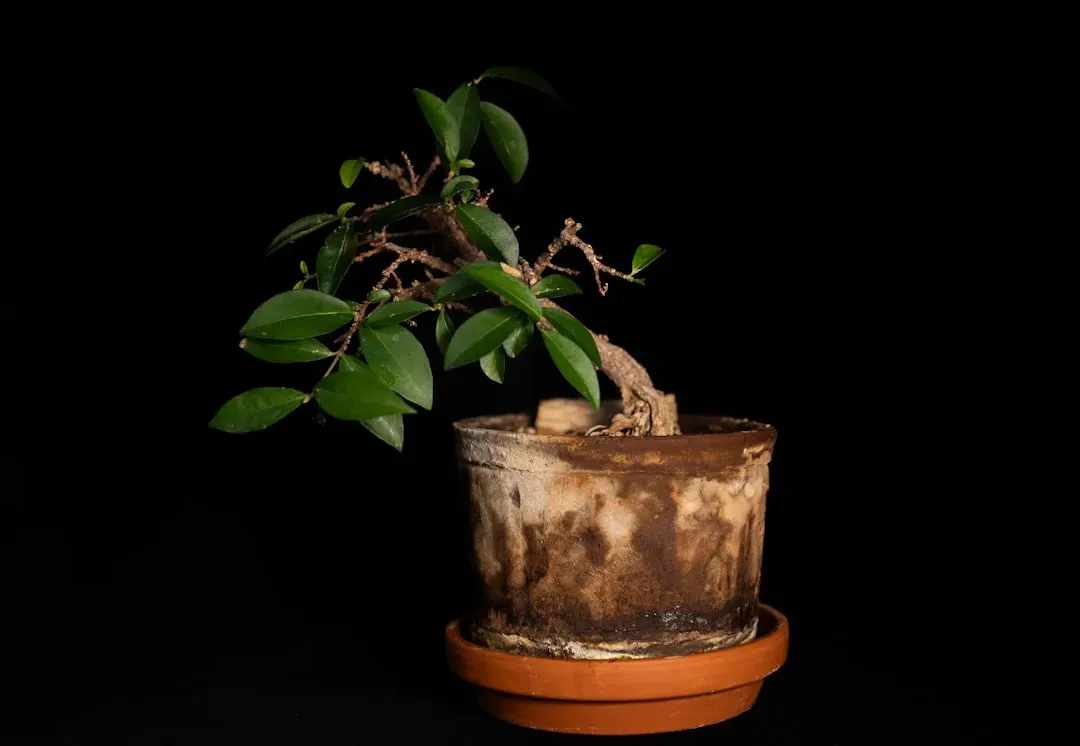
Check your soil moisture daily by pressing your finger half an inch into the soil surface (Chicago Botanic Garden). When the soil feels barely moist rather than wet or dusty-dry, water thoroughly until water runs freely from drainage holes. This tactile assessment proves more reliable than rigid schedules because your tree's water consumption varies with temperature, humidity, growth phase, and pot size.
Seasonal Watering and Maintenance Schedule
| Season | Watering Frequency | Growth Phase | Pruning Activity | Special Considerations |
|---|---|---|---|---|
| Spring | Daily to every other day | Active growth begins | Begin pruning to shape | Increase frequency as temperatures rise |
| Summer | Once or twice daily | Peak growth period | Moderate pruning, focus on shaping | Shallow pots dry quickly in heat; check soil moisture daily |
| Fall | Every 1-2 days | Growth slowing | Reduce pruning intensity | Prepare temperate species for dormancy |
| Winter | Every 2-3 days or less | Dormancy (temperate) or slow growth (tropical) | Minimal pruning | Tropical species indoors need less water; outdoor trees need protection |
While seasonal schedules provide a framework for care, different bonsai species require vastly different watering frequencies and maintenance approaches.
Bonsai Species Comparison: Care Requirements and Suitability
| Species | Light Requirements | Temperature Tolerance | Indoor/Outdoor | Best For | Key Considerations |
|---|---|---|---|---|---|
| Ficus | Low to moderate light | Prefers 60°F+, no dormancy needed | Indoor preferred | Beginners, limited space | Forgiving of watering lapses, tolerates stable indoor temperatures |
| Chinese Elm | Moderate light | Tolerates down to 20°F when acclimated | Both indoor and outdoor | Beginners, versatile growers | Responds well to pruning mistakes, adapts to seasonal changes |
| Juniper | Full sun required | Needs winter dormancy | Outdoor year-round | Experienced growers with outdoor space | Requires winter protection, weakens if kept indoors long-term |
Shallow bonsai containers dry out faster than standard pots because they hold less soil volume relative to root mass and surface area (Chicago Botanic Garden). During summer heat, actively growing trees may require watering twice daily, while the same tree needs water only every three days during winter dormancy.
The Finger Test and Other Moisture Assessment Methods
The knuckle-deep finger test works for most practitioners: insert your index finger to the first knuckle and assess moisture by feel. Properly moist soil feels cool and slightly damp without leaving mud on your finger. Dry soil feels warm and dusty, while overwatered soil feels cold and soggy.
Moisture meters provide objective readings if arthritis or reduced hand sensitivity makes tactile assessment difficult. Insert the probe to mid-depth in the pot, avoiding the immediate surface layer which dries first. Target readings in the "moist" range rather than "wet" or "dry" extremes.
Visual cues supplement physical testing. Soil surface color lightens as it dries, shifting from dark brown to tan. Some species like ficus show slight leaf drooping when water-stressed, though waiting for this signal risks damage to more sensitive varieties.
Watering Frequency by Season and Species
Summer watering typically occurs daily for outdoor bonsai in containers smaller than 12 inches. Your Chinese elm or juniper may need morning and evening watering during heat waves above 85°F. Indoor tropical species like ficus require water every 2-3 days when actively growing with adequate light exposure.
Spring and fall reduce frequency to every 2-3 days for most temperate species as temperatures moderate and growth slows. Monitor soil moisture rather than following fixed schedules, since cloudy weeks or humid conditions extend the interval between waterings naturally.
Winter dormancy drops watering frequency to weekly or less for deciduous species that have shed their leaves. Evergreen conifers still transpire moisture through their needles and need water every 3-5 days even when dormant, though growth has stopped.
Proper Watering Techniques and Water Quality
Top watering with a watering can fitted with a fine rose (spray head) prevents soil erosion while ensuring even distribution. Water until you see flow from drainage holes, wait thirty seconds, then water again to ensure complete saturation. This double-pass technique fills air pockets that form in partially dry soil.
Immersion watering provides more thorough saturation: submerge the pot to its rim in a basin of water and wait until bubbles stop rising from the soil surface (Colorado State University Extension). This method works particularly well for trees that have become severely dried out, though it's more physically demanding than top watering for those with mobility limitations.
Avoid artificially softened water, which replaces calcium with sodium that accumulates in soil and damages roots (University of Maryland Extension). Room-temperature tap water works for most situations. Let chlorinated water sit overnight in an open container if your municipal supply has strong chemical odor, though modern treatment levels rarely harm established trees.
Essential Pruning and Shaping Techniques
Maintenance pruning removes new growth to preserve your tree's existing shape, while structural pruning alters the branch framework by removing larger limbs. You'll perform maintenance pruning throughout the growing season as shoots extend beyond your desired silhouette. Structural pruning happens during dormancy for deciduous species or during slower growth periods for evergreens.
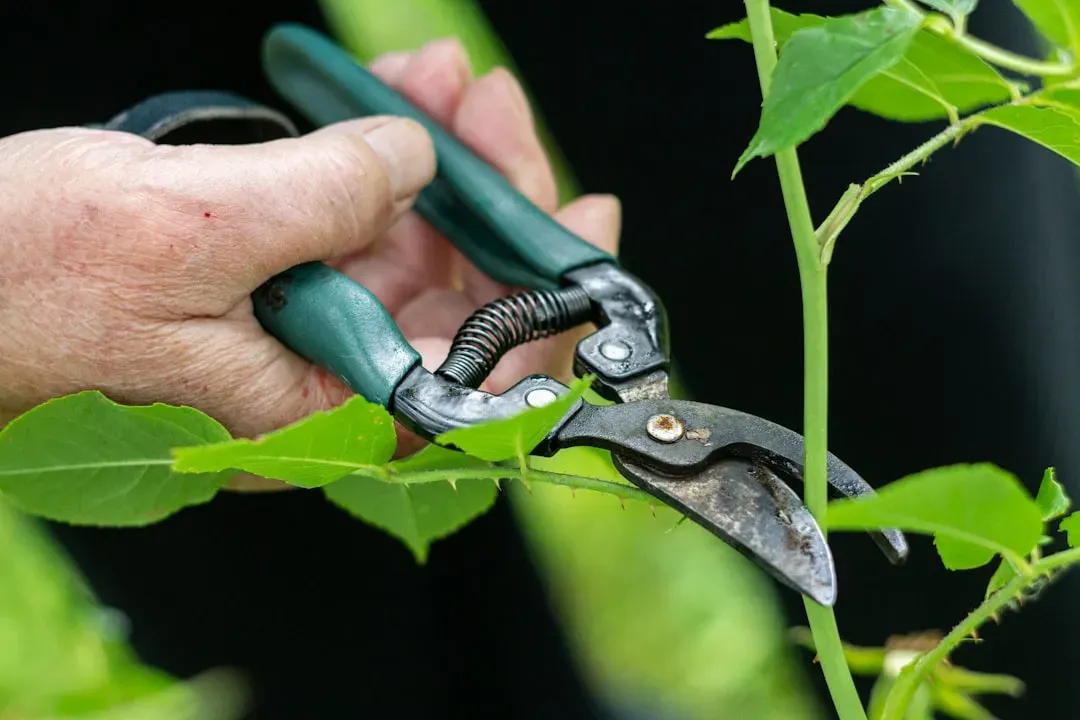
The distinction matters because maintenance cuts heal quickly with minimal stress, while structural cuts require the tree to seal larger wounds and redirect significant energy reserves. Poor timing on structural pruning can weaken your tree for an entire season.
When and What to Prune Throughout the Year
Early spring before bud break offers the ideal window for structural pruning of deciduous species. The tree's energy reserves remain in the roots and trunk, and vigorous spring growth will compartmentalize wounds quickly. Remove crossing branches, inward-growing shoots, and any limbs that disrupt your design's flow during this period.
Summer maintenance involves pinching or cutting new shoots back to 2-3 leaves once they've extended 4-6 leaves. This technique maintains your tree's outline while allowing enough foliage for photosynthesis. On conifers like juniper, pinch new growth by removing half the extending candle (new shoot) before needles fully develop.
Late fall pruning focuses on deciduous trees after leaf drop. You can see the branch structure clearly and make informed decisions about which limbs contribute to your design. Avoid heavy pruning within six weeks of expected first frost, as new growth triggered by cutting won't harden off before cold arrives. I'll never forget the spring I got impatient and started pruning my Japanese maple in late March while buds were already swelling. The cuts wept sap profusely, leaving sticky droplets all over the bench, and two branches died back completely because the tree couldn't seal those wounds while simultaneously pushing new growth. Now I mark my calendar for late February pruning, and the difference is remarkable—clean cuts that callus over within weeks.
Remove dead wood any time you notice it. Cut back to living tissue, identified by green cambium layer visible when you scrape bark gently with your fingernail.
Pruning Tools and Arthritis-Friendly Techniques
Concave cutters create hollow wounds that heal flush with the trunk as callus tissue forms, preventing unsightly knobs. Look for models with rotating handles that reduce wrist strain, or spring-loaded versions that open automatically after each cut. The investment in quality tools reduces hand fatigue during longer pruning sessions.
Sharp scissors or shears handle small shoots and leaves more efficiently than larger cutters. Keep blades clean with rubbing alcohol between trees to prevent disease transmission. Dull tools crush tissue rather than cutting cleanly, so sharpen or replace blades when you notice ragged cuts.
Position your hand behind the cutting blade rather than squeezing from the side when possible. This alignment uses stronger muscle groups and reduces strain on finger joints. Take breaks every 10-15 minutes during extensive pruning work to prevent repetitive stress.
Soil, Repotting, and Root Care Fundamentals
Bonsai soil must drain freely while retaining enough moisture for roots to access between waterings. Regular potting soil stays too wet in shallow containers, excluding oxygen that roots need for respiration (University of Maryland Extension). The result is root rot even when you're following proper watering practices.
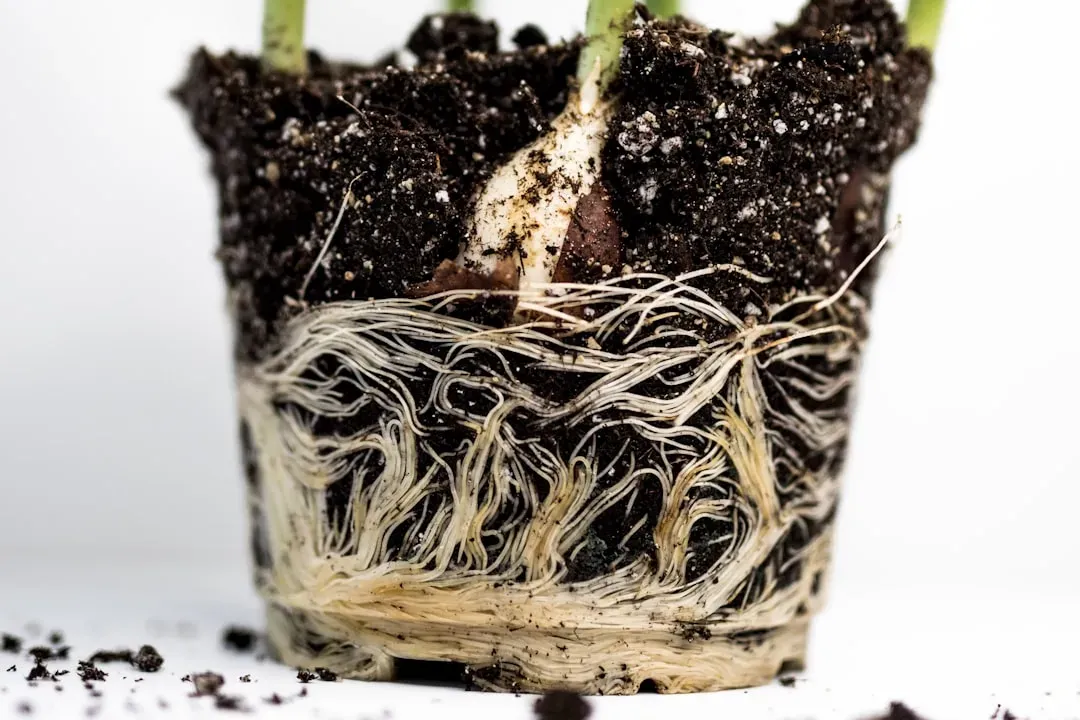
Granular bonsai soil creates air spaces between particles. Water drains through quickly, but particle surfaces hold moisture through capillary action. This structure gives you a wider margin between properly watered and overwatered conditions.
Understanding Bonsai Soil Composition
Akadama, a fired Japanese clay, forms the foundation of traditional bonsai mixes. The particles absorb water while maintaining structure, breaking down gradually over 2-3 years as the tree grows. Pumice and lava rock add drainage and don't decompose, extending the interval between repotting.
Pre-mixed bonsai soil from reputable suppliers removes guesswork for beginners. Look for mixes labeled for your species type, conifer mixes contain more drainage material, while deciduous and tropical blends retain slightly more moisture. These products cost more than making your own mix but ensure appropriate particle size and composition.
Avoid mixes containing peat moss, vermiculite, or fine particles that compact over time. The soil should look chunky, with individual particles visible and spaces between them. When you water properly mixed bonsai soil, it should drain completely within seconds rather than pooling on the surface.
Step-by-Step Repotting Guide
Most bonsai require repotting every 2-3 years, though young trees growing vigorously may need annual repotting (Colorado State University Extension). Signs that repotting is overdue include water sitting on the soil surface rather than absorbing immediately, roots circling the pot's perimeter in dense mats, or soil breaking down into muddy consistency.
Early spring just before buds swell provides the optimal repotting window for most species. The tree is preparing for active growth and will establish new roots quickly in fresh soil. Repotting during dormancy works, but recovery takes longer without active growth to drive root development.
Remove the tree from its pot and use a root hook or chopstick to gently tease away old soil from the root mass. Work from the outside toward the trunk, preserving the fine feeder roots near the center. Prune back one-quarter to one-third of the root mass, removing circling roots and cutting back long roots to fit the pot (University of Maryland Extension).
Position the tree in its pot, slightly off-center often creates more dynamic composition than centered placement. Add fresh soil while working it between roots with a chopstick to eliminate air pockets. Water thoroughly and keep the tree in shade for two weeks while new roots establish.
Feeding Your Bonsai: Fertilization Made Simple
Container-grown trees deplete soil nutrients faster than in-ground plants because frequent watering leaches minerals through drainage holes. Your bonsai depends entirely on fertilizer applications to replace nitrogen, phosphorus, and potassium used for growth, along with trace minerals that support various metabolic processes.
Balanced fertilizers with equal NPK ratios (like 10-10-10) suit most bonsai during active growth. Higher nitrogen formulas (20-10-10) push foliage development in spring, while lower nitrogen blends (5-10-10) prepare trees for dormancy in fall by encouraging root growth and cold hardiness.
Seasonal Fertilization Schedule
Begin fertilizing in early spring when buds swell and new growth emerges. Apply diluted liquid fertilizer every two weeks through early summer, using half the concentration recommended on the product label (Colorado State University Extension). This frequent, weak approach prevents fertilizer burn while maintaining steady nutrient availability.
Reduce fertilization frequency to monthly applications in late summer as growth slows. Stop fertilizing deciduous trees six weeks before expected first frost to allow new growth to harden off properly. Tropical species grown indoors continue light fertilization through winter if they're receiving adequate light to sustain active growth.
Skip fertilization entirely during true dormancy for temperate species. The tree isn't actively growing and won't utilize applied nutrients. Resume feeding when you see signs of spring growth beginning, not based on calendar dates that may not match your local conditions.
Choosing the Right Fertilizer
Liquid fertilizers offer precision and ease of application for most practitioners. Dilute according to package directions (then halve that concentration for bonsai), and apply during your regular watering routine. The nutrients become immediately available to roots, making liquid formulas ideal for correcting deficiencies quickly.
Slow-release pellets scattered on the soil surface provide steady nutrition for 6-8 weeks per application. This approach works well if mixing liquid fertilizer feels cumbersome or you travel frequently. Place pellets near the pot's edge rather than against the trunk to prevent concentrated contact with surface roots.
Organic options like fish emulsion or seaweed extract supply nutrients plus beneficial microorganisms, though the odor makes them less suitable for indoor use. Synthetic fertilizers provide more precise nutrient ratios and don't attract pests, making them practical for most situations despite being less environmentally complex.
Light, Temperature, and Positioning Requirements
Light intensity determines your tree's growth rate, foliage density, and overall health more than any other environmental factor. Insufficient light causes weak, elongated growth and leaf drop regardless of perfect watering and fertilization. Different species evolved in different light environments, so matching your available light to appropriate species prevents chronic struggle.
Temperature requirements divide bonsai species into two categories: tropical species that need consistent warmth year-round, and temperate species that require cold dormancy. Misunderstanding this distinction kills more bonsai than any other single mistake.
Indoor Bonsai Light and Environment
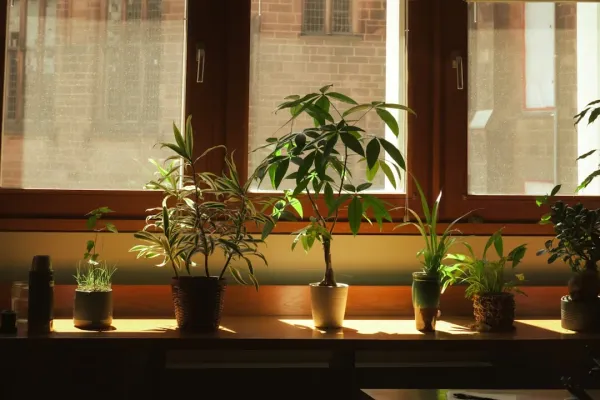
South-facing windows provide the highest light intensity for indoor placement in the Northern Hemisphere. Position your ficus, jade, or other tropical species within three feet of the glass to receive adequate direct sunlight. Light intensity drops dramatically with distance from windows, falling to inadequate levels beyond five feet even in bright rooms.
Supplemental grow lights become necessary if your windows face north or east, or if nearby buildings block direct sun. LED grow lights designed for plants should run 12-14 hours daily, positioned 6-12 inches above the tree's canopy. The investment prevents the weak, sparse growth that results from chronic low light.
Humidity trays filled with gravel and water create localized humidity around your tree without waterlogging the soil. The pot sits on gravel above the water line, and evaporation raises humidity in the immediate vicinity. This setup partially compensates for the low relative humidity in heated homes during winter (University of Maryland Extension).
Rotate indoor trees 90 degrees weekly to ensure even light exposure on all sides.
Outdoor Bonsai Placement and Seasonal Protection
Morning sun with afternoon shade suits most temperate species during summer heat. Full sun exposure all day can scorch leaves and dry soil too rapidly for practical watering management. East-facing locations or spots with dappled shade during peak afternoon hours provide ideal conditions.
Benches or stands at waist height make daily observation easier and improve air circulation around trees. Avoid placing pots directly on ground where soil-dwelling pests can access drainage holes. Elevation also protects trees from pets and reduces back strain during watering and maintenance.
Winter protection for hardy species involves moving trees to unheated garages, cold frames, or burying pots in mulch once temperatures consistently drop below 25°F. The goal is preventing rapid freeze-thaw cycles that damage roots, not keeping trees warm. They need cold for proper dormancy but require protection from extreme temperature swings in exposed containers.
Common Bonsai Problems: Diagnosis and Solutions
Leaf yellowing indicates either overwatering, underwatering, or nutrient deficiency, so diagnosis requires examining multiple factors. Yellow leaves with soggy soil suggest overwatering and possible root rot. Yellow leaves with dry soil mean insufficient watering. Yellow leaves on lower branches while upper foliage stays green typically indicates nitrogen deficiency requiring fertilization.
Pest problems often stem from environmental stress rather than random infestation. Spider mites proliferate in hot, dry conditions with poor air circulation. Aphids target new growth on trees receiving excess nitrogen. Addressing underlying cultural issues prevents recurring infestations more effectively than treating symptoms alone.
Brown leaf tips usually result from low humidity, inconsistent watering, or fertilizer salt accumulation. Flush soil thoroughly with plain water every 4-6 weeks to prevent salt buildup, running water through the pot for several minutes. This practice removes accumulated minerals that damage fine root hairs.
Sudden leaf drop on tropical species signals environmental shock, dramatic temperature change, relocation to different light levels, or severe water stress. The tree isn't necessarily dying but responding to perceived threat by reducing its foliage load. Maintain consistent care and new growth typically emerges within 3-6 weeks. Last summer I noticed my Chinese elm dropping leaves with crispy brown edges, and I immediately suspected pests or disease. When I lifted the pot, white crust ringed the drainage holes and salt crystals dotted the soil surface—the real culprit was months of tap water and fertilizer buildup. After three thorough flushings that sent water streaming clear through the pot, new growth emerged deep green without a single brown margin.
Root rot manifests as persistently wet soil, mushy roots, and declining vigor despite proper care. Remove the tree from its pot and inspect roots, healthy roots appear white or tan and firm, while rotted roots look black or brown and feel slimy. Prune away affected roots, repot in fresh soil, and reduce watering frequency until new root growth establishes.
Wire marks develop when training wire remains on branches too long and cuts into bark as the branch thickens. Check wired branches monthly during growing season and remove wire before it embeds. Scars fade over several years but never disappear completely, so vigilant monitoring prevents permanent damage.
Wiring and Advanced Shaping Techniques
Anodized aluminum wire works best for most bonsai applications, it's easy to bend, doesn't rust, and removes cleanly. Use wire diameter roughly one-third the thickness of the branch you're shaping. The wire should be stiff enough to hold the branch in its new position without being so thick that it's difficult to coil.
Anchor wire by inserting one end into the soil or wrapping around the trunk, then coil at 45-degree angles along the branch you're positioning. The coils should be close enough to support the branch (roughly one coil per inch) but not so tight they compress bark. Bend branches gently after wiring to avoid cracking wood.
Leave wire in place for 6-8 months before removal (Colorado State University Extension). The branch needs time to lignify (harden) in its new position. Remove wire by cutting it off in sections rather than unwinding, which can damage bark and break branches as you manipulate them.
Guy wires offer less invasive positioning for branches too thick to wire conventionally. Attach fishing line or thin wire to the branch and anchor it to the pot's edge or a stake, pulling the branch gradually into position over several weeks. This technique works particularly well for practitioners with limited hand strength who find coiling wire difficult.
Clip-and-grow techniques shape trees through pruning alone without wiring. Allow shoots to extend, then prune back to the first or second node. Repeated over seasons, this approach creates fine ramification (branch division) naturally. The method takes longer than wiring but requires no special tools and avoids wire scars entirely.
Creating an Accessible Bonsai Care Routine
Morning observation walks through your collection take 10-15 minutes and prevent most problems through early detection. Check soil moisture, inspect new growth for pests, and note which trees need attention. This daily habit becomes meditative rather than burdensome once established, and the consistency prevents small issues from becoming major setbacks.
Batch similar tasks together rather than performing complete care on one tree at a time. Water all trees that need it during morning rounds, then return later for pruning or fertilizing. This approach reduces physical strain from repeatedly gathering and putting away tools.
Keep essential tools in a portable caddy: scissors, concave cutters, wire, watering can, and fertilizer. Having everything in one location eliminates the barrier of gathering supplies before starting work. Store the caddy near your trees so the physical setup for care takes seconds rather than minutes.
Raised benches or tiered shelving at comfortable working heights prevent excessive bending and kneeling. Position frequently maintained trees at waist level, relegating slower-growing or less demanding species to lower shelves. This organization reduces physical strain during daily care routines. I used to spend entire Saturdays on bonsai care, exhausting myself by completely finishing one tree before moving to the next, constantly walking back and forth to the shed for different tools. Now my morning routine takes half the time: I walk through with just the watering can first, then make a second pass with my caddy for any pruning or wiring. The red plastic toolbox sits on the shelf right next to my outdoor bench, and I can have scissors in hand within five seconds of noticing a branch that needs attention.
Document your work with dated photos and brief notes about major interventions, repotting, heavy pruning, or wiring. These records help you track progress over years and identify patterns in your tree's response to specific techniques. The documentation also prevents accidentally repotting too frequently or neglecting necessary maintenance.
Start with 2-3 trees rather than a large collection. You'll develop consistent care habits more easily with fewer trees, and each species teaches different lessons about observation and timing. Add trees gradually as your routine becomes automatic, ensuring you can maintain quality care as your collection grows.
Year-Round Bonsai Care Calendar
Spring begins when buds swell and new growth emerges, typically March through May depending on your climate. Repot trees due for fresh soil, perform structural pruning before leaves fully expand, and begin fertilization as growth accelerates. Check trees daily as warming temperatures increase water consumption dramatically.
Summer maintenance focuses on watering frequency and controlling vigorous growth through pinching and trimming. Protect trees from extreme afternoon heat if temperatures exceed 95°F by moving them to locations with afternoon shade. Fertilize every two weeks and watch for pest problems that develop in hot, dry conditions.
Fall preparation involves reducing fertilization in late summer and stopping entirely six weeks before first frost. Allow deciduous trees to show autumn color naturally rather than removing leaves prematurely. Begin moving tender species indoors before nighttime temperatures drop below 50°F. Clean up fallen leaves to prevent fungal issues.
Winter care varies dramatically by species and climate. Tropical indoor trees continue normal care with reduced watering frequency as growth slows. Temperate outdoor species need cold protection but not warmth, move them to unheated protection once temperatures stay below freezing. Water sparingly but don't allow soil to completely dry for extended periods.
Monthly tasks throughout the growing season include checking wire for tightness, removing dead foliage and spent flowers, and rotating indoor trees for even light exposure. These small maintenance items prevent accumulated problems that require major corrective work later.
Record keeping becomes particularly valuable across seasons. Note when specific trees leaf out, when they need water most frequently, and how they respond to your interventions. These observations help you anticipate needs rather than reacting to problems, shifting your practice from crisis management to thoughtful cultivation.
Research from the American Bonsai Society's 2019 member survey found that practitioners who maintained cultivation journals for at least two years reported 34% fewer tree losses compared to those who relied on memory alone. The study of 1,200 members revealed that systematic record-keeping particularly improved success rates with species-specific watering schedules and fertilization timing. Most experienced growers track at minimum five data points: watering frequency, fertilizer applications, pruning dates, repotting cycles, and seasonal observations about bud break and dormancy patterns. This documentation becomes especially valuable when troubleshooting problems, as patterns often emerge only when viewed across multiple growing seasons.
The seasonal rhythm of bonsai care becomes intuitive after experiencing one complete year with your trees. You'll recognize spring's urgency, summer's steady maintenance demands, fall's gradual slowdown, and winter's quiet watchfulness as natural phases rather than arbitrary calendar divisions.
Related Articles
- How to Water Bonsai Trees: Complete Watering Guide
- Indoor Bonsai Tree Care: Complete Guide for Healthy Trees
- Bonsai Tree Repotting: Step-by-Step Guide & Best Practices
- Outdoor Bonsai Tree Care: Seasonal Maintenance Tips
- Bonsai Tree Types: 15+ Species for Every Skill Level
- Bonsai Tree Wiring: Techniques for Shaping & Training
Frequently Asked Questions
How often should I water my bonsai tree?
Watering frequency depends on your species, season, and soil type, but the article emphasizes using the finger test to check soil moisture rather than following a fixed schedule. During growing season, most bonsai need water when the top soil layer feels slightly dry. The key is daily observation to read your tree's signals, as container-grown bonsai have minimal soil reserves and less margin for error than ground-planted trees.
Are bonsai trees genetically modified to stay small?
No, bonsai are regular trees kept small through cultivation techniques like pruning, wiring, and root management—not genetic modification. Your ficus, juniper, or maple contains the same biological systems as full-sized versions of the same species. The difference lies entirely in how you actively direct growth through deliberate intervention.
What's the best bonsai species for beginners with limited space?
Ficus varieties are ideal for beginners with limited space because they tolerate indoor conditions, forgive occasional watering lapses, and don't require winter dormancy. Chinese elm is another excellent beginner choice as it adapts to both indoor and outdoor placement, responds well to pruning mistakes, and handles temperatures down to 20°F when acclimated.
Can I keep a juniper bonsai indoors year-round?
No, juniper requires outdoor placement year-round in most climates because these temperate species need winter dormancy to complete their growth cycle. Bringing junipers indoors for extended periods weakens or kills them, so only choose this species if you have appropriate outdoor space and can provide winter protection.
How much time does bonsai care actually require?
Bonsai care involves daily observation during growing season and weekly maintenance tasks, though these practices become intuitive after your first year of hands-on experience. While the commitment is consistent, it's not overly demanding—the key is developing the habit of regular attention rather than mastering complex techniques.
What is the 'rule of three' in bonsai aesthetics?
The rule of three states that your tree's height should be roughly three times the diameter of its trunk at the base, creating visual balance that reads as mature rather than stunted. Additionally, the lowest branch should emerge at about one-third the tree's height, establishing the framework for your bonsai's design.
Why do bonsai need more frequent watering than regular potted plants?
Bonsai are planted in shallow containers that restrict root growth and limit soil volume for water and nutrient storage. This container restriction means bonsai have minimal soil reserves compared to in-ground trees, so they dry out faster and require more frequent watering with a smaller margin for error.
How do I choose between an indoor and outdoor bonsai species?
Match your species selection to your available light and space before considering aesthetics. Tropical species like ficus thrive indoors with stable temperatures and lower light, while temperate species like juniper require outdoor placement year-round. A beautiful tree will decline rapidly in unsuitable conditions, so prioritize environmental fit over visual preference.