Best Bonsai Trees for Beginners: Easy Species to Grow
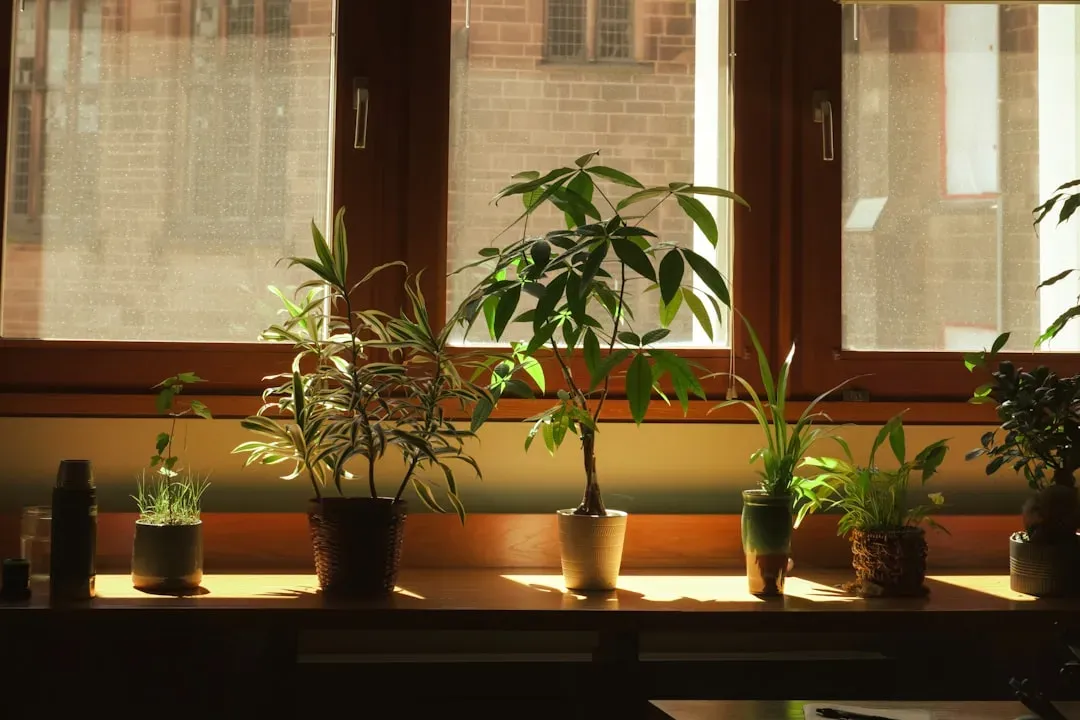
The best bonsai trees for beginners are Ficus and Juniper, species that forgive watering mistakes and recover from pruning errors while showing clear visual feedback about their health. Ficus works indoors with moderate light, while Juniper thrives outdoors in most climates, both offering resilience that lets you learn fundamentals without killing your first tree. Your success depends less on choosing an exotic species than on matching a forgiving variety to your actual living space and available time.
Table of Contents
- Choosing Your First Bonsai: What Makes a Species Beginner-Friendly
- The Four Essential Traits of Beginner Bonsai
- Matching Species to Your Lifestyle and Space
- Best Indoor Bonsai Trees for Beginners
- Ficus Bonsai: The Most Forgiving Indoor Choice
- Jade Plant (Portulacaria afra): Best for Busy Schedules
- Chinese Elm: The Indoor-Outdoor Flexible Option
- Best Outdoor Bonsai Trees for Beginners
- Juniper: The Classic Outdoor Beginner Bonsai
- Japanese Maple: For Temperate Climates
- Climate Considerations and Regional Alternatives
- Species to Avoid as a First Bonsai (and Why)
- Why Pine Bonsai Aren't Ideal Starter Trees
- Recognizing Poor Quality 'Beginner' Bonsai at Purchase
- Setting Yourself Up for Long-Term Success
Starting with the right species transforms your first year from frustrating to encouraging. The difference between struggling and succeeding often comes down to selecting trees that tolerate the inevitable mistakes every beginner makes while developing their eye for proper care.
Choosing Your First Bonsai: What Makes a Species Beginner-Friendly
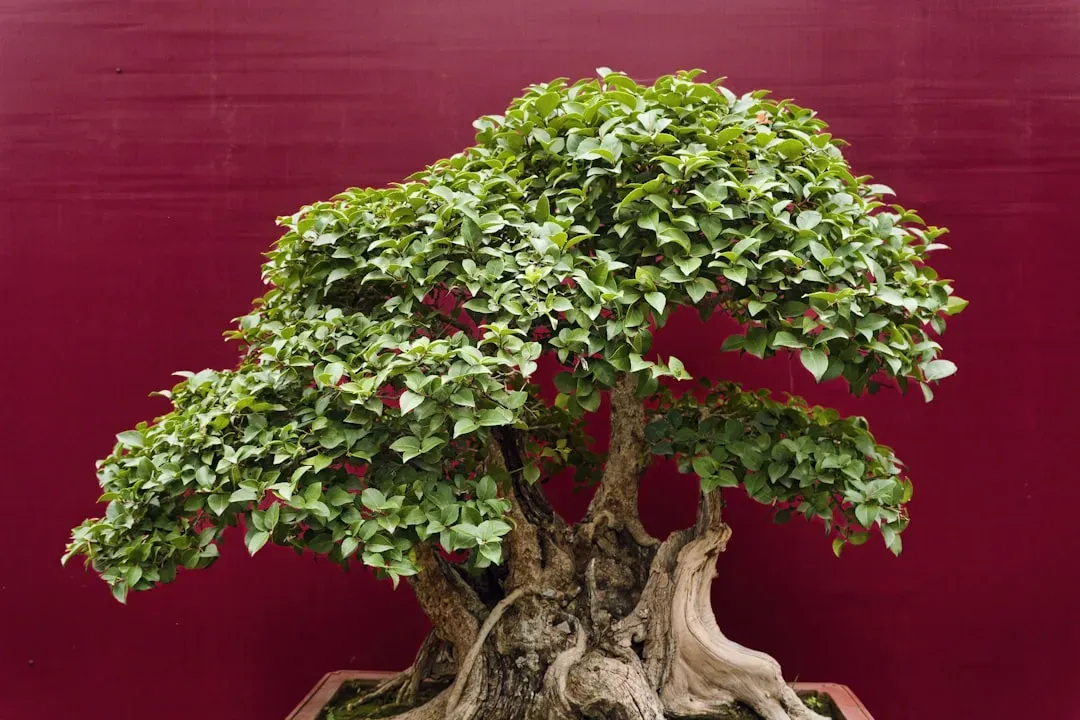
Beginner-friendly bonsai share four critical characteristics: they bounce back from irregular watering, they tolerate imperfect pruning, they adapt to less-than-ideal indoor conditions (if tropical), and they communicate their needs through visible changes in foliage or growth. These traits matter more than aesthetic appeal because they give you time to learn without watching your investment decline.
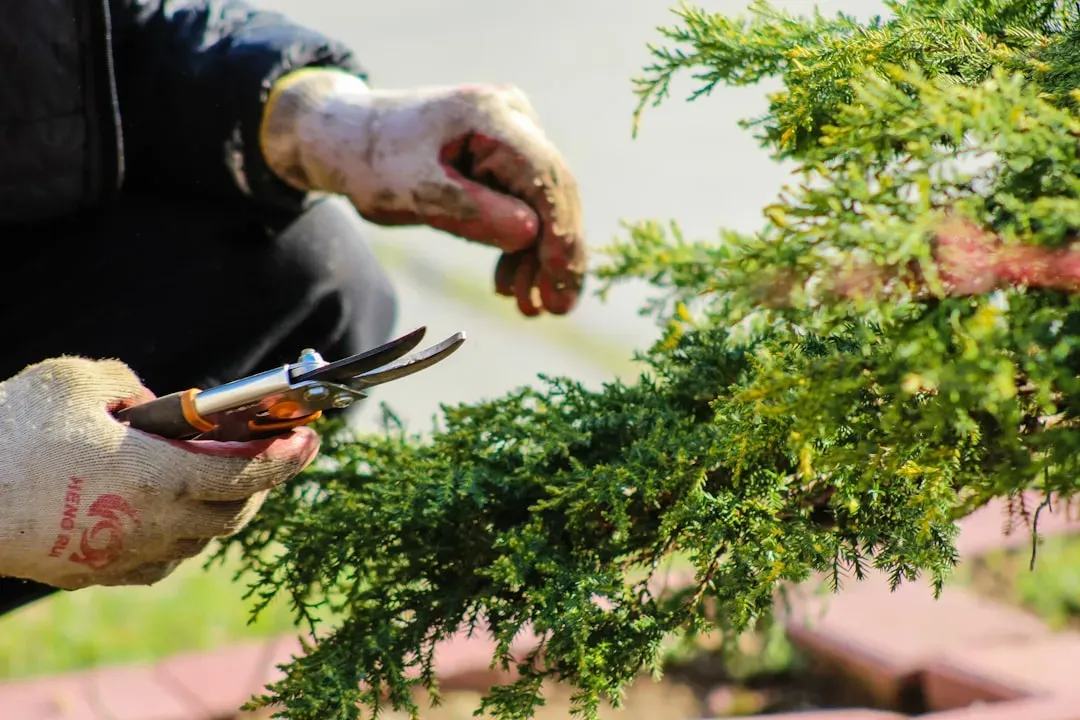
Most bonsai prefer outdoor growing conditions, requiring seasonal temperature changes and natural light cycles (according to Purdue Extension). This reality surprises many beginners who assume bonsai are houseplants. Temperate climate trees like maples and junipers need winter dormancy with cold temperatures to remain healthy (according to Oregon State Extension). Understanding this distinction shapes your entire species selection process.
The Four Essential Traits of Beginner Bonsai
Resilience to watering mistakes ranks as the most important beginner trait. Small bonsai containers dry quickly, requiring daily attention during growing season (according to Michigan State University Extension). Species that tolerate occasional missed waterings or slight overwatering give you room to develop consistent habits. Jade plants survive considerable neglect, while azaleas suffer from both drying out and staying too wet (according to Maryland Extension).
Tolerance of pruning errors protects your tree while you learn proper techniques. Ficus and Juniper respond to aggressive pruning by producing new growth from old wood, letting you correct mistakes. Pines, by contrast, won't bud back from bare branches, making every cut permanent.
Visual feedback helps you recognize problems before they become fatal. Healthy ficus foliage shows deep green with slight shine, while water-stressed leaves lose their firmness and develop a dull appearance. Species that signal distress clearly through leaf droop, color change, or slowed growth teach you to read plant health. Subtle indicators that require expert interpretation frustrate beginners.
Adaptability to indoor conditions matters only if you lack outdoor space. True indoor bonsai are tropical or subtropical species that cannot survive freezing temperatures (according to Chicago Botanic Garden). These trees compromise their natural preferences to live in your home, so selecting naturally adaptable species like Ficus reduces stress on both tree and grower.
Matching Species to Your Lifestyle and Space
Indoor apartment dwellers need tropical species that tolerate lower light and stable temperatures year-round. Ficus handles typical indoor conditions better than most alternatives, surviving in east or west-facing windows. Jade plants require even less attention, making them ideal for those who travel frequently or maintain unpredictable schedules.
Outdoor patio or balcony owners gain access to hardy species that require less daily intervention. Junipers thrive with natural rainfall patterns supplemented by occasional watering, while Japanese maples provide dramatic seasonal interest in appropriate zones. These locations offer the light intensity and temperature fluctuations that temperate species require, often making outdoor growing easier than indoor cultivation (according to Oregon State Extension).
Time availability shapes realistic expectations more than enthusiasm does. If you can dedicate fifteen minutes daily to check moisture and inspect for problems, most beginner species remain manageable. Those limited to weekend attention should choose drought-tolerant varieties like jade or select larger container sizes that buffer against rapid drying. Honestly assessing your schedule prevents choosing species that demand more consistency than you can provide.
Best Indoor Bonsai Trees for Beginners
Indoor bonsai succeed when species naturally tolerate the compromises of indoor life: reduced light compared to outdoors, stable temperatures without seasonal variation, and lower humidity than their native habitats. The following species adapt better than alternatives while offering clear feedback about their care needs.
Four Essential Traits of Beginner-Friendly Bonsai
| Trait | Why It Matters | Beginner-Friendly Example | Poor Choice Example |
|---|---|---|---|
| Watering Resilience | Small containers dry quickly; tolerance for missed waterings prevents plant death during learning phase | Jade plant (survives considerable neglect) | Azalea (suffers from both drying out and overwatering) |
| Pruning Tolerance | Allows you to learn proper techniques without permanent damage from mistakes | Ficus & Juniper (bud back from old wood) | Pine (won't bud from bare branches; cuts are permanent) |
| Visual Health Feedback | Clear signals help you recognize problems before they become fatal | Ficus (dull leaves show water stress immediately) | Species with subtle indicators requiring expert interpretation |
| Indoor Adaptability | Tropical/subtropical species tolerate lower light and stable temperatures year-round | Ficus (survives in E/W windows) | Temperate species forced indoors year-round (eventually weakens) |
Understanding these essential traits will help you select species that embody them, as shown in the following comparison of beginner-friendly bonsai varieties.
Beginner Bonsai Species Comparison: Key Characteristics
| Species | Best Location | Watering Tolerance | Pruning Recovery | Light Requirements | Ideal For |
|---|---|---|---|---|---|
| Ficus | Indoor | Forgiving of mistakes | Buds back from old wood | Moderate (E/W windows) | Apartment dwellers |
| Jade Plant | Indoor | Tolerates neglect | Moderate recovery | Moderate to bright | Busy schedules, travelers |
| Chinese Elm | Indoor-Outdoor | Moderate tolerance | Good recovery | Bright indirect light | Flexible growers |
| Juniper | Outdoor | Moderate tolerance | Excellent recovery | Full sun | Outdoor spaces, temperate climates |
| Japanese Maple | Outdoor | Moderate tolerance | Good recovery | Partial shade to sun | Temperate zones, seasonal interest |
Ficus Bonsai: The Most Forgiving Indoor Choice
Ficus varieties (benjamina, retusa, and ginseng) tolerate low light and low humidity better than most tropical species (according to Purdue Extension). They recover from both underwatering and brief overwatering, showing stress through leaf drop but regenerating readily once conditions improve. This resilience gives you multiple chances to correct watering habits without permanent damage.
Your ficus will show you when it needs water through leaves that lose their firmness and soil that feels dry when you press your finger knuckle-deep. During active growth from spring through fall, expect to water every 2-3 days depending on container size and indoor humidity. The top inch of soil should feel barely moist between waterings, never saturated or completely dry.
Ficus responds vigorously to pruning, producing new shoots from cut branches within weeks during growing season. This fast feedback helps you understand how pruning affects branch development. The species also develops aerial roots and thick trunks relatively quickly, showing visible progress within your first year. Place your ficus in bright indirect light from an east or west window, rotating it quarterly to ensure even growth.
Temperature tolerance ranges from 60-75°F, matching most home environments comfortably. Ficus dislikes cold drafts and sudden temperature drops, so keep it away from exterior doors and air conditioning vents.
Jade Plant (Portulacaria afra): Best for Busy Schedules
Jade plants tolerate missed waterings and considerable neglect, making them excellent choices for beginners with inconsistent schedules (according to Maryland Extension). Their succulent leaves store water, allowing the plant to survive 1-2 weeks without attention during cooler months. This drought tolerance removes the pressure of daily watering checks that other species demand.
The slower growth rate of jade plants means you'll develop styling skills gradually rather than racing to keep up with vigorous growth. Branches thicken over years rather than months, teaching patience while preventing the overwhelming tangle of growth that fast-growing species produce.
Water jade bonsai only when the soil feels completely dry throughout the container, typically every 7-10 days in summer and every 2-3 weeks in winter. Overwatering causes more problems than underwatering, as soggy soil leads to root rot. The leaves will wrinkle slightly when the plant needs water, providing clear visual feedback before stress becomes serious.
Jade tolerates lower light than ficus but grows more compact with several hours of direct sun daily. South-facing windows work well, though the plant adapts to east or west exposures.
Chinese Elm: The Indoor-Outdoor Flexible Option
Chinese elm (Ulmus parvifolia) bridges indoor and outdoor growing, adapting to both environments better than most alternatives. This flexibility lets you move the tree seasonally, keeping it outdoors during warm months for optimal growth and bringing it inside during winter if necessary.
Chinese elm requires more consistent care than ficus or jade, with daily watering checks during active growth and attention to humidity levels indoors. The fine branching structure and small leaves create refined styling potential, rewarding those ready for a modest challenge beyond basic care. Expect to water when the top half-inch of soil feels dry, maintaining consistent moisture without waterlogging.
The species responds well to pruning and wiring, making it suitable for learning basic styling techniques. New shoots emerge readily from pruned branches, and the trunk thickens noticeably with proper care over 2-3 years.
Best Outdoor Bonsai Trees for Beginners
Outdoor bonsai growing often succeeds more readily than indoor cultivation because outdoor conditions match plant requirements more closely. Natural light intensity, temperature fluctuations, and humidity levels reduce the compromises that indoor growing demands (according to Oregon State Extension).
Juniper: The Classic Outdoor Beginner Bonsai
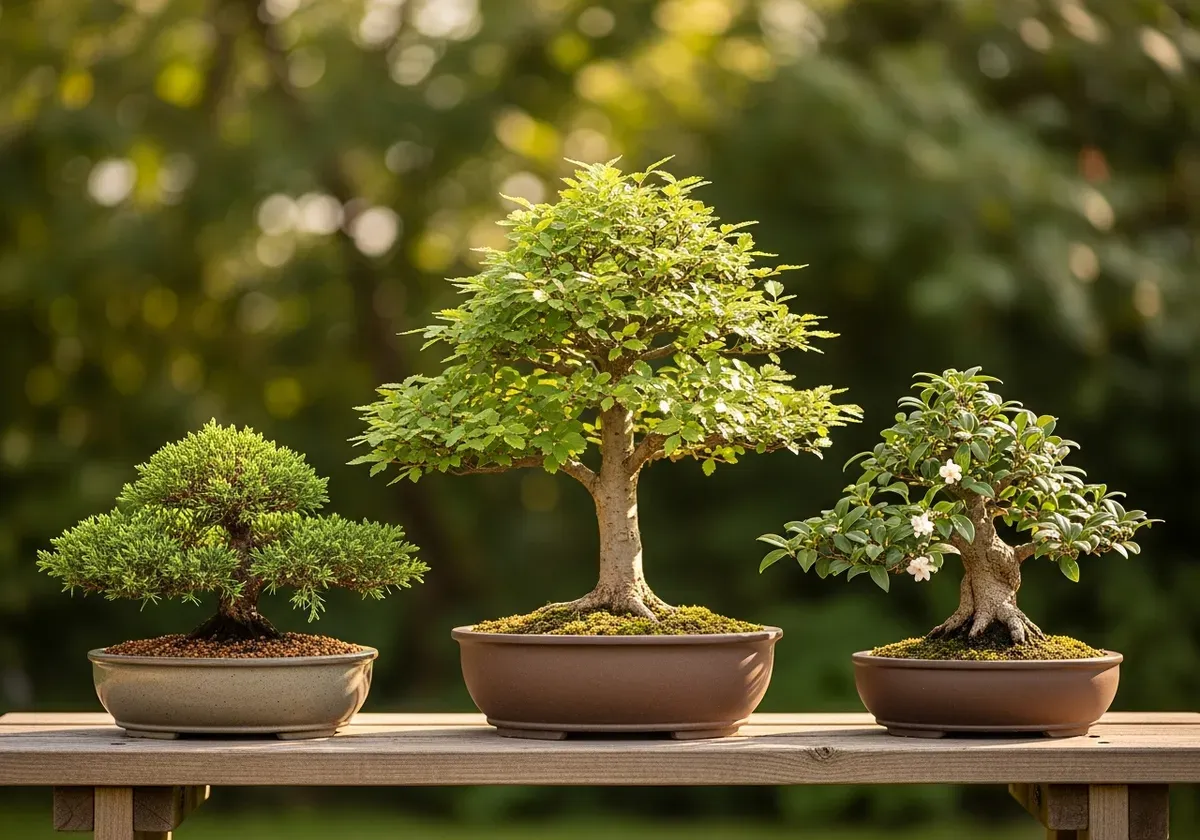
Juniper varieties, particularly procumbens nana and chinensis, represent the most popular outdoor bonsai for beginners (according to Purdue Extension). They tolerate pruning mistakes remarkably well, producing new growth from old wood even after aggressive cutting. This forgiving nature lets you experiment with styling while the tree recovers from errors that would damage less resilient species.
Junipers adapt to a wide range of climates, thriving in USDA hardiness zones 4-9 with appropriate variety selection. They require full sun for healthy growth, needing at least 6 hours of direct sunlight daily. The foliage should feel slightly dry to touch between waterings, with soil that drains quickly rather than staying soggy.
The species develops character quickly through deadwood techniques like jin and shari, where you create aged-looking bare wood features. These techniques suit beginners because mistakes blend into the natural weathered appearance. Juniper foliage responds to wiring and shaping, holding position well as branches lignify over several months.
Winter care requires protecting roots from repeated freeze-thaw cycles rather than bringing trees indoors. Place containers against a building foundation, mulch heavily around the pot, or use an unheated garage during the coldest months. Junipers need winter dormancy and will decline if kept warm year-round.
Japanese Maple: For Temperate Climates
Japanese maples (Acer palmatum) offer dramatic seasonal interest with spring leaf emergence, summer canopy development, fall color, and winter branch structure. This visual progression teaches you to work with natural growth cycles rather than fighting them. The species suits zones 5-8, though it may need winter protection in harsh climates (according to Chicago Botanic Garden).
Care requirements exceed juniper's simplicity but reward attention with rapid growth and responsive styling. Japanese maples require consistent moisture during the growing season, with daily watering in summer heat. The leaves will scorch in hot afternoon sun, so provide dappled shade during the hottest part of the day in warmer climates.
Pruning timing matters significantly with maples, as improper timing causes excessive sap bleeding that weakens the tree. Major structural pruning should occur during late fall or early winter dormancy. Summer pruning focuses on removing unwanted shoots and maintaining shape.
Expect visible growth each season, with branches extending several inches during spring and early summer. This vigor means you'll practice pruning techniques regularly, accelerating skill development compared to slower-growing species.
Climate Considerations and Regional Alternatives
Working with your climate rather than against it ensures long-term success. Check your USDA hardiness zone and select species that naturally thrive in your temperature range. Temperate climate trees require winter dormancy periods and will decline without cold exposure, while tropical species die in freezing temperatures.
Hot climate gardeners (zones 9-11) should consider bougainvillea, desert rose, or natal plum as outdoor options. These species tolerate heat and drought better than traditional temperate bonsai subjects.
Cold climate practitioners (zones 3-5) benefit from working with native species adapted to harsh winters. Larch, spruce, and native juniper varieties survive extreme cold without elaborate protection.
Species to Avoid as a First Bonsai (and Why)
Certain species appear frequently in beginner recommendations despite requiring intermediate skills and patience that frustrate new practitioners. Understanding why these trees challenge beginners helps you avoid discouraging early failures that might end your bonsai journey before it truly begins.
Why Pine Bonsai Aren't Ideal Starter Trees
Pines grow slowly and require specific techniques including candle pinching and needle plucking (according to Maryland Extension). These procedures must happen at precise times during the growing season, with mistakes visible for years as the tree slowly recovers. The classic pine appearance attracts beginners, but the reality demands timing precision that comes only with experience.
Pine bonsai won't produce new growth from bare branches, making every pruning cut permanent. This unforgiving nature means you cannot experiment freely while learning basic techniques. To be fair, pines make excellent second or third trees once you've mastered fundamentals on more forgiving species.
Recognizing Poor Quality 'Beginner' Bonsai at Purchase
Mall kiosks and discount retailers often sell stressed trees of poor quality to uninformed buyers (according to Maryland Extension). Red flags include rocks glued to the soil surface (which prevents proper watering assessment), painted trunks or leaves (damaging the bark), and species inappropriate for your climate sold as "indoor bonsai."
Avoid "bonsai starter kits" that include seeds, as growing bonsai from seed requires 5-10 years before you have material suitable for basic styling. Purchase from reputable bonsai nurseries, established garden centers with knowledgeable staff, or local bonsai clubs where experienced practitioners can guide your selection.
Healthy starter material shows vigorous growth with no dead branches, firm roots visible at the soil surface (nebari), and foliage color appropriate to the species and season. Expect to pay $40-80 for quality beginner material that will survive your learning process.
Setting Yourself Up for Long-Term Success
Your first bonsai teaches fundamental skills that apply across all species: reading moisture needs, understanding growth patterns, and developing the patience that bonsai cultivation requires. Success comes from matching your chosen species to your actual circumstances rather than your aspirational vision of daily care routines you may not maintain.
Start with one tree rather than collecting multiple specimens immediately. This focused approach lets you learn one species thoroughly, understanding its seasonal patterns and care requirements before expanding your collection. Each species has unique needs, and dividing attention between multiple trees while learning basics often results in mediocre care for all rather than excellent care for one.
Keep records of your care activities: watering frequency, fertilizer applications, pruning dates, and observations about growth patterns. These notes reveal patterns over seasons, helping you anticipate needs and recognize problems early. A simple notebook or phone app suffices, look, the goal is tracking trends rather than creating elaborate documentation.
Connect with local bonsai communities through clubs, workshops, or online forums specific to your region. Experienced practitioners offer guidance tailored to your climate and conditions, something that generic care guides cannot provide. Regional clubs often hold beginner workshops where you can practice techniques like wiring and pruning under supervision before attempting them on your own tree.
Expect mistakes and plan for them as part of your learning process. Every practitioner has killed trees, made poor pruning decisions, and struggled with specific techniques. The difference between those who continue and those who quit often comes down to choosing forgiving species that survive these inevitable errors.
Set realistic timeline expectations based on the species you choose. Ficus and Chinese elm show visible progress within months, while junipers and maples develop over years. Understanding these natural growth rates prevents frustration when your tree doesn't transform rapidly. Bonsai cultivation rewards patience and consistent care over years rather than intensive effort over weeks.
My first tree was a juniper procumbens nana that I purchased at a big-box store in March, drawn to its twisted trunk and confident I could master it immediately. Within six months, I'd overwatered it through that first summer, placed it indoors for 'protection' during a cold snap, and watched half the foliage brown despite my frantic interventions. That juniper died, but it taught me the fundamental lesson I share with every beginner now: start with species that tolerate inconsistent watering and don't require winter dormancy indoors—I replaced it with a ficus that forgave my learning curve and still sits on my bench fifteen years later.
The best beginner bonsai is ultimately the one that survives your first year while teaching you to observe plant health, respond to seasonal changes, and develop consistent care habits. Choose species that match your space and schedule, then commit to learning from that tree before expanding your collection. This focused approach builds the foundation for decades of bonsai practice.
Related Articles
- Bonsai Tree Care: Complete Maintenance Guide for Beginners
- Bonsai Tree Types: 15+ Species for Every Skill Level
- Indoor Bonsai Trees: Best Species & Care Requirements
- Complete Guide to Bonsai Trees: Care, Types & Growing Tips
- Bonsai Trees for Sale: Where to Buy & What to Look For
- How to Water Bonsai Trees: Complete Watering Guide
Frequently Asked Questions
Can I keep a Juniper bonsai indoors year-round?
No, Juniper is an outdoor tree that requires winter dormancy with cold temperatures to survive long-term. Keeping it indoors year-round will eventually weaken and kill the tree, even if it appears fine initially. Place your Juniper outdoors where it experiences natural seasonal temperature changes.
How often do beginner bonsai trees need watering?
Most bonsai need daily watering during the growing season because their small containers dry quickly. However, beginner-friendly species like Ficus and Jade plants tolerate occasional missed waterings, giving you time to develop consistent watering habits without killing your tree.
What's the difference between indoor and outdoor bonsai species?
Indoor bonsai are tropical or subtropical species that cannot survive freezing temperatures and adapt to stable indoor conditions year-round. Outdoor bonsai are temperate species that need winter dormancy with cold temperatures to remain healthy long-term. Choose based on your available growing space.
Why are Pine trees not recommended for beginners?
Pine bonsai won't produce new growth from bare branches, making every pruning cut permanent. This lack of forgiveness means beginner mistakes cannot be corrected, unlike Ficus or Juniper which readily bud back from old wood and tolerate pruning errors.
Which bonsai species is best if I travel frequently?
Jade Plant (Portulacaria afra) is ideal for busy schedules and frequent travelers because it survives considerable neglect and requires minimal daily attention compared to other beginner species.
How can I tell if my bonsai tree is stressed or unhealthy?
Beginner-friendly species like Ficus communicate distress through visible changes: healthy leaves show deep green with slight shine, while stressed leaves lose firmness and develop a dull appearance. Other signs include leaf droop, color changes, or slowed growth.
Can I grow a bonsai in a low-light apartment?
Yes, Ficus is the best choice for low-light indoor spaces, surviving in east or west-facing windows with moderate light. It tolerates typical apartment conditions better than most bonsai species while still being forgiving of beginner mistakes.