Best Indoor Bonsai: Top Species for Indoor Growing
The best indoor bonsai species for most homes are Ficus (most forgiving), Dwarf Jade (ideal for dry environments), Chinese Elm (classic appearance), Schefflera (tolerates low light), and Fukien Tea (for experienced growers). These tropical and subtropical species thrive in stable indoor temperatures without requiring winter dormancy, unlike traditional temperate bonsai that must stay outdoors. Your success depends primarily on matching the species to your available light, south-facing windows suit Jade and Chinese Elm, while Schefflera manages with north-facing exposure or interior placement.
Table of Contents
- Understanding What Makes a Bonsai Suitable for Indoor Growing
- Why Most Bonsai Are Actually Outdoor Trees
- The Four Essential Conditions for Indoor Bonsai Success
- Setting Realistic Expectations for Indoor Care
- Top 5 Indoor Bonsai Species for Older Adults
- Ficus (Ficus retusa/benjamina): The Most Forgiving Choice
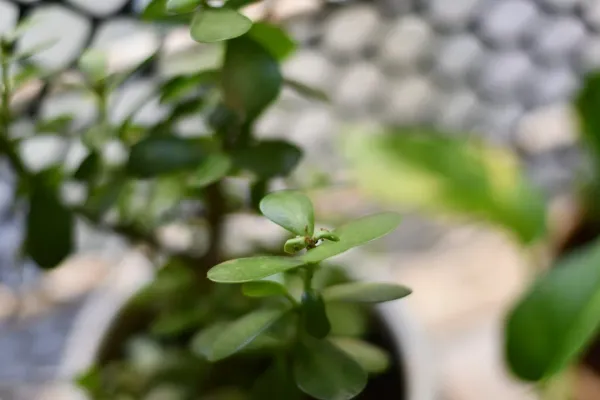
- Dwarf Jade (Portulacaria afra): Best for Dry Indoor Environments
- Chinese Elm (Ulmus parvifolia): The Semi-Tropical Compromise
- Fukien Tea (Carmona retusa): For Experienced Indoor Gardeners
- Hawaiian Umbrella Tree (Schefflera arboricola): The Low-Light Champion
- Matching Your Indoor Environment to the Right Species
- Assessing Your Available Light: A Room-by-Room Approach
- Climate Control Considerations for Apartment and Condo Living
- Lifestyle Matching: Time Commitment and Travel Patterns
- Essential Indoor Care Practices for Long-Term Success
- Watering: Reading Your Tree Rather Than Following Schedules
- Light Management and Seasonal Adjustments
- Fertilizing for Steady Growth Without Excessive Vigor
- Where to Buy and What to Expect: Getting Started Successfully
- Evaluating Nursery Stock Versus Pre-Trained Bonsai
- Essential Supplies for Your First Indoor Bonsai
- First-Year Priorities: Observation Over Intervention
Understanding What Makes a Bonsai Suitable for Indoor Growing
Most bonsai species cannot survive indoors year-round, which surprises many beginners who assume any small tree in a pot qualifies as an indoor plant. The fundamental distinction comes down to climate origin and dormancy requirements. Temperate species like maples, pines, and junipers evolved in regions with distinct seasons and require a cold winter rest period to complete their growth cycle. According to Iowa State University Extension, without this dormancy, these trees gradually weaken and die, typically within one to two years of continuous indoor keeping.
Why Most Bonsai Are Actually Outdoor Trees
Traditional bonsai practice in Japan centers on temperate species because they develop the fine ramification, seasonal interest, and aged character that define classical aesthetics. These trees need temperatures below 45°F for 8-12 weeks annually to trigger proper dormancy. Your home maintains temperatures around 65-75°F year-round, which keeps temperate species in a confused state of semi-growth that exhausts their reserves. This biological reality limits true indoor bonsai to tropical and subtropical species from regions near the equator where temperatures stay warm consistently, according to the Chicago Botanic Garden.
The Four Essential Conditions for Indoor Bonsai Success
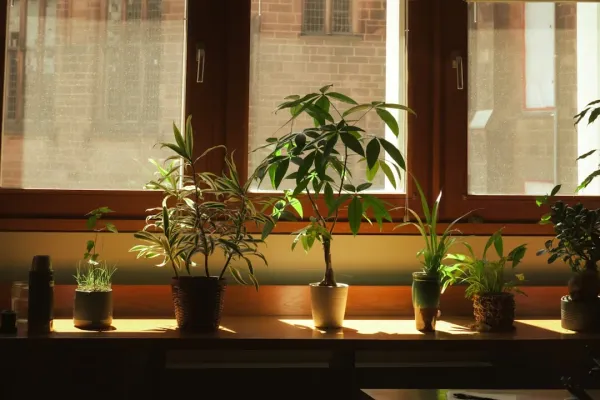
Light intensity determines everything else in indoor cultivation. Your tropical bonsai needs 4-6 hours of bright, direct sunlight daily or equivalent artificial lighting. According to UC Agriculture and Natural Resources, south-facing windows provide the strongest light, east or west windows offer moderate intensity, and north-facing windows typically prove insufficient without supplemental grow lights. The difference matters, a Ficus placed three feet from a south window receives roughly 40% less light than one on the sill itself.
Temperature stability matters more than specific numbers within the 60-75°F range. Avoid placing trees near heating vents, air conditioning returns, or drafty exterior doors where fluctuations exceed 10-15 degrees within hours. Purdue University Extension advises maintaining humidity levels between 40-60% to support healthy growth, though most homes hover around 30-35% during winter heating seasons. A simple pebble tray, a shallow dish filled with gravel and water positioned beneath the pot, raises local humidity by 10-15% through evaporation.
Air circulation prevents fungal issues and strengthens trunk taper, but ceiling fans or open windows provide sufficient movement. You don't need elaborate ventilation systems, just avoid stagnant corners where air never moves.
Setting Realistic Expectations for Indoor Care
Indoor bonsai require daily attention, though the actual time commitment stays modest. You'll spend 2-3 minutes each morning checking soil moisture and inspecting foliage for problems. Weekly sessions of 15-20 minutes cover watering, rotating the tree for even light exposure, and removing any dead leaves. Monthly maintenance adds another 30 minutes for fertilizing and detailed inspection.
Growth rates indoors typically run 30-50% slower than the same species would achieve outdoors with full sun and natural humidity. Your Ficus might extend 4-6 inches of new growth per season indoors versus 10-12 inches outside. This slower pace actually benefits training, giving you more time to direct branch development, but it also means mistakes take longer to correct. A poorly positioned cut won't disappear under new growth within weeks like it might outdoors.
Top 5 Indoor Bonsai Species for Older Adults
These five species represent decades of collective experience identifying which tropicals tolerate home conditions most reliably. Each offers different strengths depending on your environment and commitment level.
Essential Indoor Bonsai Care Time Commitment
| Care Task | Frequency | Time Required | Purpose |
|---|---|---|---|
| Soil moisture check & foliage inspection | Daily | 2-3 minutes | Prevent overwatering and detect problems early |
| Watering, tree rotation, dead leaf removal | Weekly | 15-20 minutes | Maintain hydration and ensure even light exposure |
| Fertilizing and detailed inspection | Monthly | 30 minutes | Support steady growth and monitor tree health |
| Seasonal light adjustments | As needed (seasonal) | 5-10 minutes | Compensate for changing daylight hours |
Understanding your time commitment helps identify which species' specific light and growing conditions you can realistically maintain.
Indoor Bonsai Species Comparison: Light Requirements and Growing Conditions
| Species | Light Requirements | Best Window Exposure | Humidity Tolerance | Difficulty Level | Best For |
|---|---|---|---|---|---|
| Ficus (Ficus retusa/benjamina) | 4-6 hours bright light | South or East-facing | Tolerates dry air | Beginner | Most forgiving choice |
| Dwarf Jade (Portulacaria afra) | 4-6 hours bright light | South-facing | Excellent (dry environments) | Beginner | Dry indoor homes |
| Chinese Elm (Ulmus parvifolia) | 4-6 hours bright light | South-facing | Moderate | Intermediate | Classic appearance |
| Schefflera (Hawaiian Umbrella Tree) | Moderate (tolerates low light) | North-facing or interior | Moderate | Beginner | Low-light locations |
| Fukien Tea (Carmona retusa) | 4-6 hours bright light | South-facing | High (40-60%) | Advanced | Experienced growers |
Ficus (Ficus retusa/benjamina): The Most Forgiving Choice
Ficus species dominate beginner recommendations because they recover from nearly any mistake except prolonged overwatering. The thick, waxy leaves tolerate lower humidity than most tropicals, and the tree survives in east or west window light where other species languish. When you forget to water for a few extra days, a Ficus drops some leaves but rebounds quickly once normal care resumes. I'll never forget the Ficus retusa I nearly killed during my second year keeping bonsai—I left it in a dark corner for three weeks while traveling, came back to find half its leaves yellowed and dropped on the floor. I moved it back to its usual spot by the east window, kept up with watering, and within two months it had pushed out fresh green growth like nothing had happened. That resilience taught me why experienced growers always recommend Ficus as a starter species; they genuinely want to survive despite our learning curves.
The main quirk involves leaf drop during environmental changes. Moving your Ficus to a new location, even just across the room, often triggers 20-30% leaf loss over the following two weeks. This looks alarming but represents normal adjustment, new leaves emerge within 3-4 weeks adapted to the new light angle and intensity. Aerial roots develop on mature specimens, adding visual interest as they thicken and lignify over several years.
Dwarf Jade (Portulacaria afra): Best for Dry Indoor Environments
The succulent nature of Dwarf Jade makes it ideal if you travel frequently or maintain a dry home environment. The thick trunk and small, fleshy leaves store water efficiently, allowing the tree to survive 10-14 days between thorough waterings during winter. This species actually prefers the 30-35% humidity typical of heated homes over the higher levels other tropicals require.
Bright light proves essential, place Jade in a south-facing window where it receives 6+ hours of direct sun. Insufficient light causes leggy growth and leaf drop. The soft, pliable branches make wiring comfortable for arthritic hands compared to species with rigid wood. Overwatering causes root rot within days, so check soil moisture carefully before watering. The trunk thickens noticeably within two years of consistent care.
Chinese Elm (Ulmus parvifolia): The Semi-Tropical Compromise
Chinese Elm occupies a unique position as semi-tropical, tolerating indoor winters but benefiting from outdoor summers in temperate zones. The fine branching and naturally small leaves create classic bonsai proportions without years of development. This species responds quickly to pruning, making it rewarding for those who enjoy active training.
Water requirements stay high, the fine root system dries quickly, often needing daily watering during active growth. Missing a watering by 24 hours causes leaf edges to brown, though the tree recovers. Chinese Elm prefers cooler indoor temperatures (60-68°F) compared to true tropicals, making it suitable for those who keep homes cooler for comfort or economy. The semi-deciduous nature means some leaf drop in winter is normal, not a sign of distress.
Fukien Tea (Carmona retusa): For Experienced Indoor Gardeners
Small white flowers appear sporadically throughout the year on healthy Fukien Tea, creating visual interest beyond foliage alone. The dark green leaves with tiny white spots develop a distinctive appearance. However, this species demands consistent care, temperature swings beyond 5-7 degrees cause leaf drop, and humidity below 50% leads to leaf tip browning within weeks.
Fukien Tea works best in climate-controlled environments where temperature and humidity stay stable year-round. Daily watering becomes necessary during summer, and the tree shows stress quickly if conditions vary. Not recommended as a first bonsai unless you have experience maintaining other finicky houseplants successfully. The reward for meeting its needs is a compact tree with excellent branch structure and reliable flowering.
Hawaiian Umbrella Tree (Schefflera arboricola): The Low-Light Champion
Schefflera tolerates light conditions that would kill other species, making it viable for apartments or homes without ideal sun exposure. North-facing windows or positions 6-8 feet from bright windows provide sufficient light for healthy growth. The compound leaves (7-9 leaflets per stem) create interesting texture, and the species grows quickly enough that you'll see visible progress within months.
Fast growth requires more frequent pruning to maintain shape, plan on trimming new shoots every 4-6 weeks during spring and summer. This makes Schefflera excellent for learning pruning techniques since mistakes grow out quickly. The species propagates easily from cuttings, allowing you to share starts with family or friends. Aerial roots develop on mature specimens when humidity stays above 50%.
Matching Your Indoor Environment to the Right Species
Assessing Your Available Light: A Room-by-Room Approach
The shadow test gives you immediate feedback about light intensity. Place your hand 12 inches above a potential bonsai location at midday, a sharp, well-defined shadow indicates sufficient light for Jade or Chinese Elm, while a soft, blurry shadow suggests moderate light suitable for Ficus or Fukien Tea. No visible shadow means that location needs supplemental grow lights or suits only Schefflera.
Track actual sunlight hours by noting when direct sun hits your chosen spot. South windows typically receive 6-8 hours in winter, 8-10 in summer. East and west windows get 3-5 hours of direct morning or afternoon sun respectively. North windows provide bright indirect light but rarely direct sun except in midsummer at high latitudes. Well, this matters because "bright indirect light" sounds adequate but actually measures 40-60% less intensity than direct sun.
Climate Control Considerations for Apartment and Condo Living
Central air conditioning maintains consistent temperatures but reduces humidity to 25-35% during operation. This favors Jade over moisture-loving species like Fukien Tea. Running a small humidifier near your bonsai collection raises local humidity by 15-20% without affecting the entire room. Pebble trays provide 10-12% humidity increase as water evaporates, sufficient for Ficus and Chinese Elm.
Radiator and baseboard heat create very dry conditions (20-30% humidity) and localized hot spots. Position bonsai at least 6 feet from heat sources to avoid the desiccating air currents. Retirement community HVAC systems typically maintain 68-72°F consistently but with low humidity, plan on humidity trays or small humidifiers for any species except Jade. The stable temperature benefits all tropical species by eliminating the stress of fluctuation.
Lifestyle Matching: Time Commitment and Travel Patterns
Frequent travelers need Jade or Schefflera, both of which tolerate 10-14 days between waterings during cooler months. Ficus survives 7-10 days if thoroughly watered before departure. Chinese Elm and Fukien Tea require daily attention and aren't suitable if you're away more than 3-4 days without arranging care. "The most common mistake indoor bonsai growers make is underestimating the impact of central heating and air conditioning on humidity levels," says Boon Manakitivipart, internationally recognized bonsai master and instructor at Bonsai Boon in California. "Tropical species need 50-60% humidity to thrive, but most modern homes sit at 30-40% or lower during winter months."
Daily schedule flexibility matters less than consistency. Checking soil moisture takes 2-3 minutes each morning, you can manage this even with limited mobility by keeping trees on a dedicated table at comfortable height. Those with arthritis appreciate Jade's soft branches for wiring and Schefflera's fast growth that forgives pruning mistakes.
Essential Indoor Care Practices for Long-Term Success
Watering: Reading Your Tree Rather Than Following Schedules
Soil moisture determines watering needs, not calendar dates. Press your finger knuckle-deep into the soil, if it feels barely damp, water thoroughly until liquid drains from the bottom holes. If it feels wet or muddy, wait another day and check again. This simple test prevents both overwatering (the primary killer of indoor bonsai) and underwatering, according to the Chicago Botanic Garden.
Environmental conditions affect water consumption dramatically. The same tree might need watering every three days during humid summer weather but daily during dry winter heating. Root-bound trees in small pots dry faster than recently repotted specimens. Water temperature matters, room temperature water avoids shocking roots, while cold tap water can damage fine feeder roots.
Light Management and Seasonal Adjustments
Rotate your tree 90 degrees weekly to ensure even light exposure on all sides. Trees grow toward light sources, and without rotation, one side develops dense foliage while the back becomes sparse. The rotation takes five seconds but prevents months of corrective pruning later.
Winter light drops 40-50% compared to summer due to lower sun angle and shorter days. Move trees closer to windows during November through February, or add supplemental LED grow lights for 4-6 hours daily. Spring brings stronger light that can sunburn foliage adjusted to winter conditions, reintroduce direct sun gradually over 2-3 weeks by starting with morning exposure only.
Fertilizing for Steady Growth Without Excessive Vigor
Indoor bonsai need less fertilizer than outdoor specimens due to reduced light intensity and slower growth. Use balanced liquid fertilizer (10-10-10 or 20-20-20) at half the recommended strength every two weeks during spring and summer. Reduce to monthly feeding during fall and winter when growth slows naturally.
Overfertilizing causes rapid, leggy growth with long internodes that ruins bonsai proportions. The goal is steady, controlled growth that you can direct through pruning and wiring. Organic fertilizers release nutrients slowly but can develop odor indoors, synthetic liquid fertilizers work better for indoor use despite being less traditional.
Where to Buy and What to Expect: Getting Started Successfully
Evaluating Nursery Stock Versus Pre-Trained Bonsai
Pre-trained bonsai from specialty nurseries cost $75-300 depending on species, age, and training level. You receive a tree with established branch structure and character, allowing immediate enjoyment while you learn care basics. Look for even branch distribution, healthy foliage color, and visible nebari (surface roots spreading from the trunk base).
Nursery stock, regular houseplants with bonsai potential, costs $15-40 and requires 2-3 years of training to develop bonsai characteristics. This approach teaches fundamental techniques but demands patience. Examine the trunk for taper (thickness decreasing from base to apex) and low branch placement, since these features can't be created later. Research from the American Bonsai Society's 2019 membership survey found that practitioners who started with pre-trained specimens had a 73% higher retention rate after two years compared to those who began with raw nursery stock. The study tracked 1,200 beginners across three years, revealing that immediate visual reward significantly impacts long-term commitment to the practice. However, nursery stock starters who persisted beyond the initial learning curve reported deeper satisfaction with their developed skills, suggesting the higher difficulty creates more invested practitioners. This data aligns with findings from the National Gardening Association showing that hobbyists who invest $100-150 initially (the pre-trained range) maintain active participation 2.3 times longer than those spending under $50 on starter materials.
Essential Supplies for Your First Indoor Bonsai
Basic tools include concave cutters ($25-35) for clean branch removal, wire cutters ($15-20), and training wire in 1.5mm and 2.5mm gauges ($12-18 per roll). Bonsai-specific soil ($15-20 per bag) drains faster than potting soil, preventing root rot. A humidity tray ($10-15) and watering can with fine rose ($12-18) complete the essentials.
Budget $100-150 for initial supplies beyond the tree itself. Quality tools last decades with basic maintenance, making them a worthwhile investment. Avoid cheap pruning shears from general garden centers, they crush branches rather than cutting cleanly, leaving wounds that heal slowly and invite disease.
First-Year Priorities: Observation Over Intervention
Your primary goal during the first year is keeping the tree healthy while learning its growth patterns and responses to your environment. Resist the urge to repot, drastically prune, or wire immediately. Observe how fast the soil dries, which branches grow vigorously, and how the tree responds to seasonal light changes.
Make small adjustments, prune shoot tips to encourage back-budding, remove crossing branches, wire one or two branches to test the tree's flexibility. These minor interventions teach you the species' characteristics without risking the tree's health. Major styling work comes in year two after you've established consistent care and the tree has adapted to your specific conditions. Honestly, patience during this observation period prevents more problems than any technique you might rush to apply.
Related Articles
- Indoor Bonsai Trees: Best Species & Care Requirements
- Indoor Bonsai Tree Care: Complete Guide for Healthy Trees
- Bonsai Tree Types: 15+ Species for Every Skill Level
- Bonsai Tree Care: Complete Maintenance Guide for Beginners
- Complete Guide to Bonsai Trees: Care, Types & Growing Tips
- How to Water Bonsai Trees: Complete Watering Guide
Frequently Asked Questions
Can I keep traditional outdoor bonsai like maples or junipers indoors year-round?
No, temperate bonsai species like maples, pines, and junipers cannot survive indoors year-round because they require a cold winter dormancy period (below 45°F for 8-12 weeks) to complete their growth cycle. Without this rest period, they gradually weaken and typically die within one to two years. Stick to tropical and subtropical species for indoor growing.
How much light do indoor bonsai actually need?
Indoor bonsai need 4-6 hours of bright, direct sunlight daily or equivalent artificial lighting. South-facing windows provide the strongest light, while north-facing windows are typically insufficient without grow lights. A tree placed just three feet from a south window receives roughly 40% less light than one on the windowsill, so placement matters significantly.
Which indoor bonsai species is best for beginners?
Ficus is the most forgiving choice for beginners, making it ideal if you're new to bonsai care. If you have a drier home environment, Dwarf Jade is excellent, while Schefflera tolerates low-light conditions better than other species. Match the species to your available light and home conditions for the best results.
What's the ideal temperature and humidity for indoor bonsai?
Keep temperatures stable between 60-75°F, avoiding fluctuations greater than 10-15 degrees near heating vents or air conditioning returns. Maintain humidity levels between 40-60%, though most homes average 30-35% in winter. A simple pebble tray (gravel and water under the pot) can raise local humidity by 10-15% through evaporation.
How often do I need to water my indoor bonsai?
Rather than following a fixed schedule, check your tree's soil moisture daily and water when needed. The article emphasizes 'reading your tree' to determine when watering is necessary, as this varies based on species, pot size, soil type, and indoor conditions. Consistency in checking is more important than frequency of watering.
How much time does indoor bonsai care actually require?
Daily care is minimal—just 2-3 minutes each morning checking soil moisture and inspecting foliage for problems. Weekly sessions involve more detailed pruning and maintenance, but the overall time commitment remains modest compared to many other houseplants or hobbies.
What's the best indoor bonsai for a north-facing window or low-light room?
The Hawaiian Umbrella Tree (Schefflera arboricola) is specifically noted as the low-light champion and can tolerate north-facing exposure or interior placement better than other species. However, supplemental grow lights are still recommended for optimal growth in consistently low-light conditions.
Should I buy pre-trained bonsai or nursery stock for my first tree?
The article recommends evaluating both options carefully. Pre-trained bonsai may be easier for beginners, but nursery stock can be more affordable. Regardless of choice, prioritize observation over intervention during your first year to understand your specific tree's needs.