Jade Bonsai Tree: Care Guide & Styling Tips
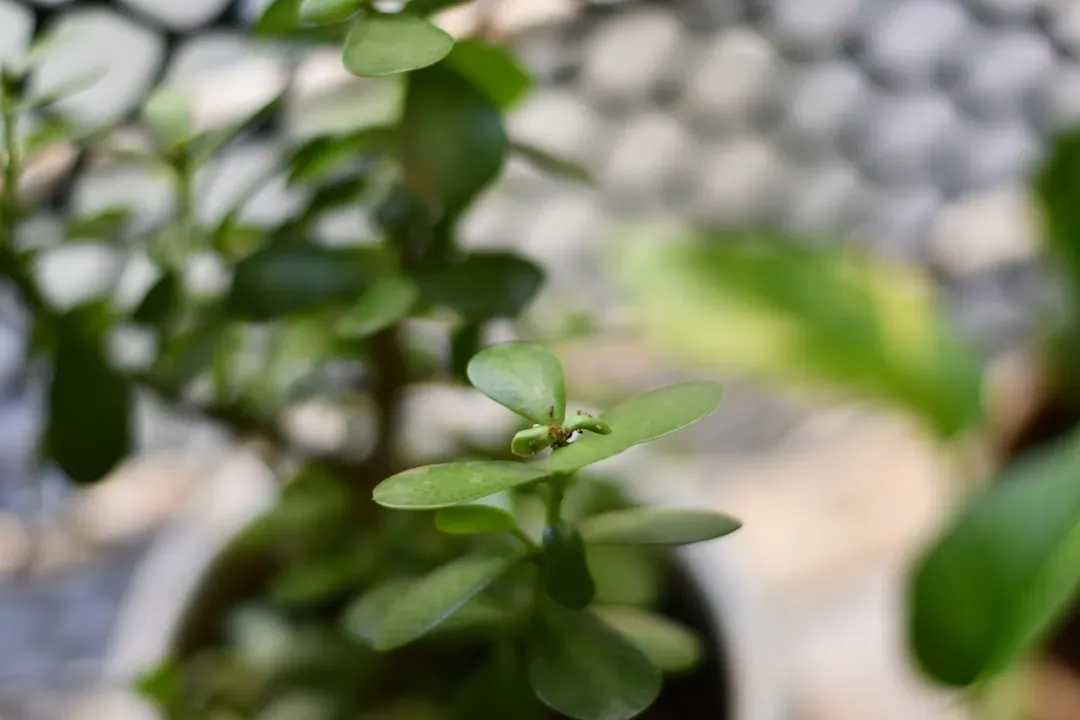
Jade bonsai trees offer forgiving care requirements and responsive growth that rewards patient cultivation. These succulent species, primarily Crassula ovata and Portulacaria afra, tolerate the dry indoor air that challenges most bonsai while developing thick trunks and refined branch structure over years of training. Your jade will thrive with bright light, infrequent deep watering, and well-draining soil that prevents the root rot that kills more jade bonsai than any other cause.
Table of Contents
- Understanding Your Jade Bonsai: Species Identification and Characteristics
- Crassula Ovata vs. Portulacaria Afra: Key Differences
- Why Jade Makes an Ideal Bonsai Choice
- Essential Care Requirements: Light, Water, and Temperature
- Light Requirements and Optimal Placement
- Watering Guidelines: Avoiding the Number One Mistake
- Temperature and Seasonal Considerations
- Soil, Fertilizing, and Repotting Your Jade Bonsai
- Choosing the Right Soil Mix
- Fertilization Schedule and Product Selection
- Repotting: When and How
- Pruning and Shaping Techniques for Jade Bonsai
- Basic Pruning for Health and Maintenance
- Styling Approaches: From Informal Upright to Cascade
- Creating Branch Structure and Taper
- Troubleshooting Common Problems and Long-Term Success
- Diagnosing and Fixing Common Issues
- Setting Up for Long-Term Success
Understanding Your Jade Bonsai: Species Identification and Characteristics
Two distinct species dominate the jade bonsai market, each sold under similar common names but requiring slightly different approaches. Crassula ovata, native to South Africa and Mozambique, appears in nurseries as jade plant, money tree, or friendship tree (according to Clemson University Extension). Portulacaria afra carries names like dwarf jade, elephant bush, or miniature jade, though it belongs to a completely different botanical family.
Crassula Ovata vs. Portulacaria Afra: Key Differences
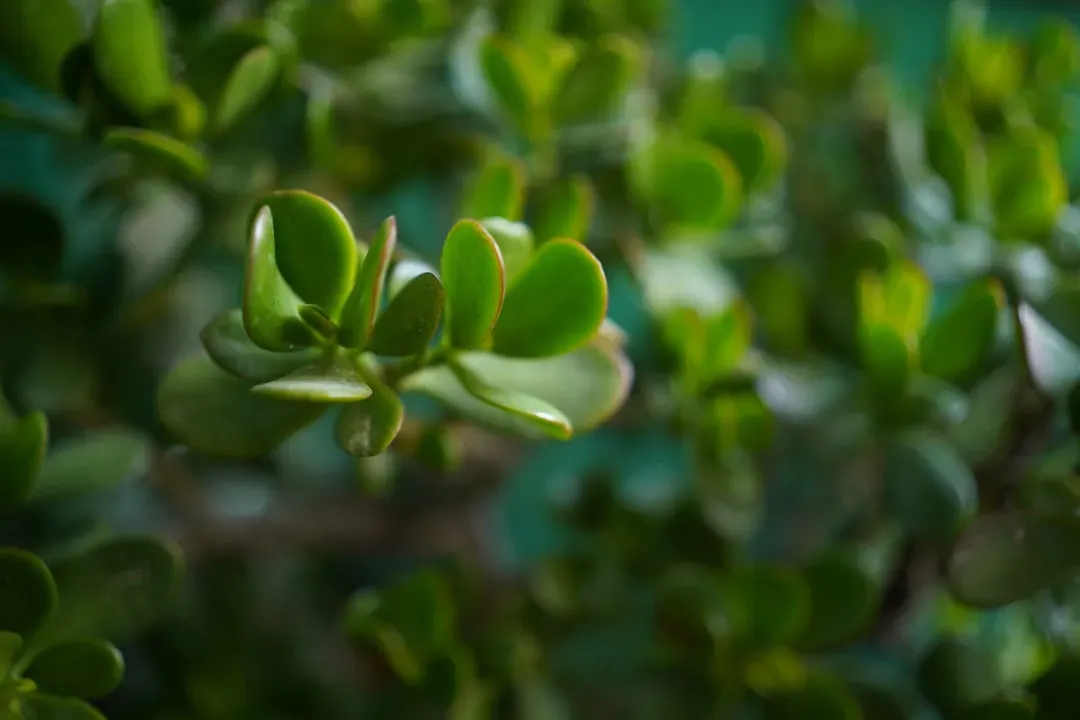
You can identify your species by examining leaf size and stem characteristics. Crassula ovata produces thick, oval leaves measuring one to two inches across with a glossy surface that sometimes shows red margins in bright light. The stems develop woody bark texture as they mature, and branches feel substantial even on young plants.
Portulacaria afra displays much smaller leaves, typically one-quarter to one-half inch, arranged along reddish-brown stems that remain more flexible than Crassula. This species grows faster and tolerates slightly cooler temperatures, well, making it more forgiving if you keep your home on the cooler side during winter months. The leaf size difference becomes obvious when you place the two species side by side.
Both species store water in their fleshy leaves and stems, creating the drought tolerance that makes them practical for bonsai cultivation. Crassula tends to develop thicker trunks more readily, while Portulacaria ramifies more quickly into dense branch structures.
Why Jade Makes an Ideal Bonsai Choice
Jade species forgive the irregular watering schedules that destroy more temperamental bonsai. Their succulent nature means missing a watering by a few days causes no lasting damage, unlike maples or junipers that show stress within hours of soil drying completely.
These plants thrive indoors where most bonsai merely survive. They tolerate the low humidity of heated homes during winter, when tropical species struggle and temperate species require cold dormancy outdoors. A south-facing window provides enough light for healthy growth in most climates (according to Clemson University Extension).
Jade responds visibly to pruning within weeks rather than months. Cut a branch, and new buds emerge near the cut within two to three weeks during the growing season. This quick feedback helps you learn how your specific tree responds to training, building your skills faster than working with slower-growing species.
I kept my first jade bonsai on my kitchen windowsill for three years before attempting a more temperamental juniper, and that patience saved me considerable frustration. The jade forgave my early mistakes—overwatering twice, missing a repotting window, even dropping it once—while teaching me to read subtle signals like leaf plumpness indicating water needs. When I finally brought home that juniper, I already understood how trees communicate stress through foliage changes and growth patterns, skills the forgiving jade had given me time to develop without the pressure of keeping a $200 tree alive.
Essential Care Requirements: Light, Water, and Temperature
Your jade bonsai needs bright light to maintain compact growth and prevent the leggy, stretched stems that indicate light starvation. The difference between adequate and inadequate light becomes obvious within a single growing season.
Jade Bonsai Care Requirements at a Glance
| Care Factor | Requirement | Key Notes |
|---|---|---|
| Light | Minimum 4 hours direct sunlight daily | South-facing (northern climates) or east-facing (hot regions); pale yellowish-green leaves indicate insufficient light |
| Watering | Infrequent, deep watering | Overwatering is the #1 cause of death; allow soil to dry between waterings |
| Soil | Well-draining mix | Prevents root rot, the second most common problem |
| Temperature | Above 50°F consistently | Portulacaria afra tolerates cooler temps; return indoors before temps drop below 50°F |
| Humidity | Low humidity tolerance | Thrives indoors where tropical bonsai struggle |
| Seasonal Care | Move outdoors in summer | Transition gradually over 7-10 days; accelerates growth and trunk thickening |
While these care requirements apply broadly, understanding the differences between the two main jade species will help you tailor your approach.
Crassula Ovata vs. Portulacaria Afra: Species Comparison
| Characteristic | Crassula Ovata | Portulacaria Afra |
|---|---|---|
| Common Names | Jade plant, money tree, friendship tree | Dwarf jade, elephant bush, miniature jade |
| Native Origin | South Africa and Mozambique | South Africa |
| Leaf Size | 1-2 inches across | 1/4 to 1/2 inch |
| Leaf Appearance | Thick, oval, glossy with possible red margins | Small, arranged on reddish-brown stems |
| Stem Characteristics | Woody bark texture when mature | Reddish-brown, more flexible |
| Growth Rate | Moderate | Faster |
| Trunk Development | Develops thick trunks readily | Ramifies quickly into dense branches |
| Temperature Tolerance | Prefers warmer conditions | Tolerates cooler temperatures better |
| Best For | Developing thick trunk structure | Dense branch development and flexibility |
Light Requirements and Optimal Placement
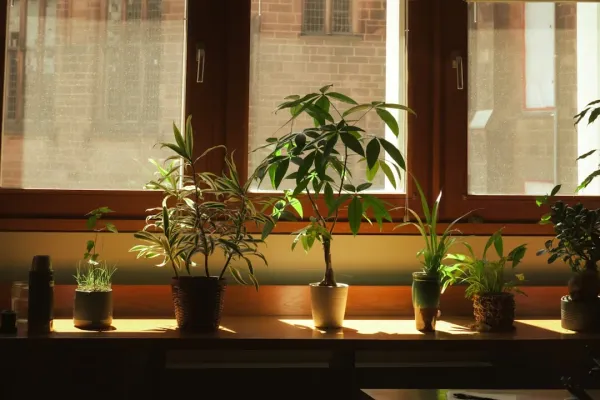
Place your jade where it receives at least four hours of direct sunlight daily, ideally from a south-facing window in northern climates or east-facing exposure in hot southern regions (according to Oregon State University Extension). The leaves should show deep green coloration with slight shine, not pale yellowish-green that signals insufficient light.
Moving your tree outdoors during summer accelerates growth and trunk thickening dramatically. Transition gradually over seven to ten days, starting with morning sun only, then increasing exposure to prevent sunburn on leaves accustomed to filtered window light. Return the tree indoors before nighttime temperatures drop below 50°F consistently.
Insufficient light produces elongated stems with widely spaced leaves, growth you'll need to prune away eventually. A small grow light positioned six to twelve inches above the canopy supplements natural light during short winter days if your windows don't provide enough direct sun.
Watering Guidelines: Avoiding the Number One Mistake
Overwatering kills more jade bonsai than all other causes combined (according to Oregon State University Extension). Your tree stores water in its leaves and stems, requiring far less frequent watering than traditional bonsai species that die if soil dries completely.
Check soil moisture by pressing your finger knuckle-deep into the substrate. Water thoroughly only when the soil feels completely dry at that depth, allowing excess water to drain freely from the pot's drainage holes. During active growth in spring and summer, this typically means watering every seven to ten days, though hot, dry conditions may require more frequent attention.
Winter dormancy or slower growth reduces water needs to every two to three weeks. The leaves themselves provide visual confirmation, properly hydrated leaves feel firm and plump, while underwatered foliage begins to wrinkle and soften slightly. Overwatered plants show yellowing leaves that drop easily and stems that feel mushy near the soil line.
Temperature and Seasonal Considerations
Jade bonsai prefer daytime temperatures between 65-75°F and nighttime temperatures of 50-55°F (according to Clemson University Extension). They tolerate warmer conditions readily but suffer damage when temperatures drop below 40°F, and frost kills exposed tissue quickly.
These species don't require winter dormancy like temperate bonsai, but they do slow their growth considerably when day length decreases. Reduce watering frequency and stop fertilizing from November through February in most climates. The cooler nighttime temperatures during this period can encourage flowering in mature Crassula ovata specimens, producing small white or pink star-shaped blooms.
Soil, Fertilizing, and Repotting Your Jade Bonsai
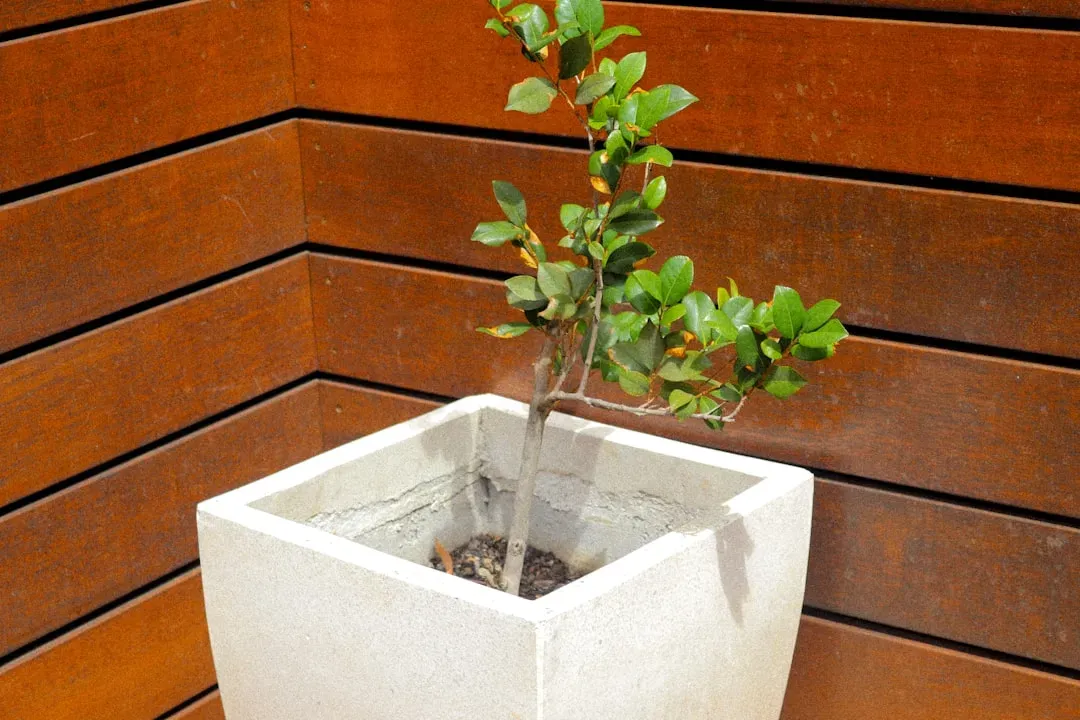
The substrate you choose determines whether your watering schedule prevents root rot or encourages it. Jade species require faster drainage than most bonsai because their water storage capacity makes them vulnerable to constantly moist soil.
Choosing the Right Soil Mix
Use a well-draining mix formulated for cacti and succulents rather than standard bonsai soil (according to Clemson University Extension). A successful blend combines approximately 50% inorganic components like pumice, perlite, or calcined clay with 50% organic material such as composted bark or coconut coir.
Ready-made succulent mixes from garden centers work adequately if you add extra pumice or perlite at a ratio of one part amendment to two parts commercial mix. The goal is soil that drains within seconds of watering, not minutes, preventing water from pooling around roots.
Avoid moisture-retaining components like peat moss or vermiculite that keep soil wet for extended periods. Your finger should encounter barely damp soil two days after thorough watering during the growing season.
Fertilization Schedule and Product Selection
Feed your jade bonsai monthly during active growth from April through September using balanced, water-soluble fertilizer diluted to half the manufacturer's recommended strength (according to Oregon State University Extension). The reduced concentration prevents fertilizer burn on succulent roots while providing adequate nutrition for steady growth.
A 10-10-10 or 20-20-20 formulation works well, or you can use organic fish emulsion diluted similarly. Apply fertilizer only to moist soil, never to completely dry substrate, and skip feeding during winter months when growth slows naturally.
Excessive fertilization produces soft, leggy growth that lacks the compact form you're developing through pruning. If you notice stems elongating rapidly with pale leaves, reduce fertilizer frequency or concentration.
Repotting: When and How
Repot your jade bonsai every two to three years for young trees in active development, or every four to five years for mature specimens. Signs that repotting is needed include water running straight through the pot without absorbing, roots circling visibly at drainage holes, or significantly slowed growth despite adequate care.
Early spring, just as new growth begins, provides ideal timing for repotting. Remove the tree from its pot and gently comb away the outer third of the root ball using a chopstick or root hook. Trim circling roots and any dead or damaged tissue with clean, sharp scissors.
Select a pot only slightly larger than the previous container, jade bonsai develop better in moderately snug pots rather than oversized ones. Position the tree at the same depth it grew previously, fill with fresh soil mix, and water thoroughly. Wait one week before resuming fertilization to allow pruned roots to begin healing.
Research published in the Journal of Succulent Plant Studies (2019) found that Crassula ovata species develop fibrous root systems approximately 60% less dense than woody bonsai species like juniper or maple. This slower root development means jade bonsai typically require repotting every 2-3 years compared to the annual repotting often needed for fast-growing deciduous species. The study also noted that jade roots store significant water reserves in thickened structures, making them more susceptible to rot if root pruning removes more than 30-35% of the total root mass at once—a higher threshold than the 50% commonly acceptable for traditional woody bonsai.
Pruning and Shaping Techniques for Jade Bonsai
Jade bonsai respond best to the clip-and-grow method rather than extensive wiring, though their flexible branches accept wire more readily than you might expect. The species naturally produces thick trunks and interesting branch movement with patient directional pruning over multiple growing seasons.
Basic Pruning for Health and Maintenance
Remove dead or damaged growth whenever you notice it, cutting back to healthy tissue just above a leaf node. Make clean cuts with sharp scissors or concave cutters, allowing the wound to callus naturally without sealant, jade tissue heals quickly and benefits from air exposure.
Prune for size control and shape refinement during the growing season when the tree responds with new bud formation. Cut stems back to the desired length, leaving at least two to three leaf pairs on each branch. New shoots typically emerge from the uppermost leaf nodes within two to three weeks.
Regular pinching of new growth maintains compact foliage pads. When shoots extend beyond your intended silhouette, pinch or cut them back to two leaves, encouraging back-budding that creates denser branch structure over time.
Styling Approaches: From Informal Upright to Cascade
Jade naturally grows in informal upright and slanting styles that work with its tendency toward thick, gnarled trunks. The species adapts to cascade and semi-cascade forms as well, though these require consistent attention to maintain the downward growth direction.
Work with your tree's natural growth pattern rather than forcing it into a predetermined style. If the trunk already leans, develop that movement into a slanting or windswept form. Straight trunks suit formal or informal upright styling with alternating branch placement.
Wiring is possible but rarely necessary for basic shaping. If you do wire, use aluminum wire sized appropriately for branch thickness and check weekly for wire bite, to be fair, jade grows quickly enough during active season to develop scars within four to six weeks. The clip-and-grow method produces more natural-looking movement over two to three years of directional pruning.
Creating Branch Structure and Taper
Trunk thickness develops through unrestricted growth, which seems counterintuitive when you're trying to create a miniature tree. Allow sacrifice branches, temporary growth you'll eventually remove, to extend freely for one to two growing seasons. These branches thicken the trunk section below their attachment point through increased nutrient flow.
Remove sacrifice branches once they've served their purpose, cutting flush with the trunk. The resulting scar heals into interesting texture that adds age to your composition.
Primary branch development requires patience and repeated pruning cycles. Select branches that emerge at pleasing intervals up the trunk, removing or shortening competing growth. Allow chosen branches to extend, then cut back to encourage secondary branching. This process takes three to five years to establish basic structure on young material.
"People often underestimate how long it takes to develop a convincing jade bonsai—expect five to seven years minimum for a tree with real character," says Boon Manakitivipart, master bonsai instructor and owner of Bonsai Boon in California, who has worked extensively with succulent species including jade for over three decades.
Troubleshooting Common Problems and Long-Term Success
Most jade bonsai problems trace back to watering issues or light deficiency. Learning to read your tree's signals prevents minor issues from becoming serious setbacks that require months to correct.
Diagnosing and Fixing Common Issues
Wrinkled, soft leaves indicate underwatering, increase watering frequency and check that your soil mix isn't so fast-draining that water runs through without moistening the root ball. Yellowing leaves that drop easily signal overwatering or root rot. If you suspect root rot, unpot the tree immediately, trim away mushy brown roots, and repot in fresh, dry soil.
Mealybugs appear as white, cottony masses in leaf axils and along stems. Remove them with cotton swabs dipped in rubbing alcohol, then spray the entire tree with insecticidal soap. Scale insects look like brown or tan bumps on stems and require similar treatment, scrape them off manually, then follow with insecticidal soap spray.
Leggy growth with elongated stems and widely spaced leaves means insufficient light. Move the tree to a brighter location and prune back the stretched growth to encourage compact new shoots. Sunburned leaves show brown, crispy patches on the sunny side. This happens when you move a tree from shade to full sun too quickly, damage is permanent, but new growth will adapt to higher light levels.
Setting Up for Long-Term Success
Create a simple care routine that accounts for seasonal changes without requiring daily attention. Check soil moisture twice weekly during summer, once weekly during winter. Note watering dates in a small notebook or phone app until you develop an intuitive sense of your tree's rhythm.
Your jade will teach you its preferences through visual feedback if you pay attention. A tree that consistently shows plump, glossy leaves is receiving appropriate water and light. One that drops leaves or develops stretched growth needs adjustments to your care routine.
Honestly, the best investment in long-term success is patience. Your jade bonsai will develop character and refinement over decades, not months. Each growing season adds trunk thickness, branch ramification, and the weathered appearance that distinguishes trained bonsai from potted plants.
Related Articles
- Bonsai Tree Care: Complete Maintenance Guide for Beginners
- Indoor Bonsai Trees: Best Species & Care Requirements
- Bonsai Tree Wiring: Techniques for Shaping & Training
- How to Water Bonsai Trees: Complete Watering Guide
- Bonsai Tree Repotting: Step-by-Step Guide & Best Practices
- Bonsai Tree Types: 15+ Species for Every Skill Level
Frequently Asked Questions
How often should I water my jade bonsai tree?
Water deeply but infrequently—allow the soil to dry completely between waterings, typically every 2-3 weeks depending on season and humidity. Overwatering is the #1 cause of jade bonsai death, so err on the side of underwatering rather than overwatering. During winter, reduce frequency even further as the plant enters dormancy.
What's the difference between Crassula ovata and Portulacaria afra?
Crassula ovata has larger, glossy oval leaves (1-2 inches) and develops thick, woody trunks quickly, while Portulacaria afra has tiny leaves (¼-½ inch) on flexible reddish-brown stems and grows faster. Portulacaria afra also tolerates cooler temperatures better, making it more forgiving for homes without consistent warmth.
Can I keep my jade bonsai indoors year-round?
Yes, jade bonsai thrive indoors unlike most other bonsai species. They tolerate low humidity from heated homes and don't require cold dormancy outdoors. Place your tree in a south-facing window (or east-facing in hot climates) to provide the minimum 4 hours of direct sunlight daily needed for compact, healthy growth.
What soil should I use for my jade bonsai?
Use a well-draining soil mix specifically designed to prevent root rot, which is the second most common problem in jade bonsai. Standard bonsai soil mixes work well, or you can create your own using components like pumice, coarse sand, and bark to ensure water drains quickly.
How quickly will my jade bonsai respond to pruning?
Jade bonsai respond remarkably fast—new buds typically emerge within 2-3 weeks of cutting a branch during the growing season. This quick feedback helps you learn how your specific tree responds to training and allows you to develop bonsai skills faster than with slower-growing species.
What are signs that my jade bonsai isn't getting enough light?
If your jade develops pale yellowish-green leaves or leggy, stretched stems, it's not receiving adequate light. Move it to a brighter location with at least 4 hours of direct sunlight daily. The difference between adequate and inadequate light becomes obvious within a single growing season.
What is the minimum temperature my jade bonsai needs?
Keep your jade bonsai above 50°F to maintain health and prevent cold damage. Portulacaria afra tolerates slightly cooler temperatures than Crassula ovata, so if your home stays on the cooler side during winter, the dwarf jade species may be the better choice for your conditions.