Bonsai Seeds for Sale: Growing from Seed Guide
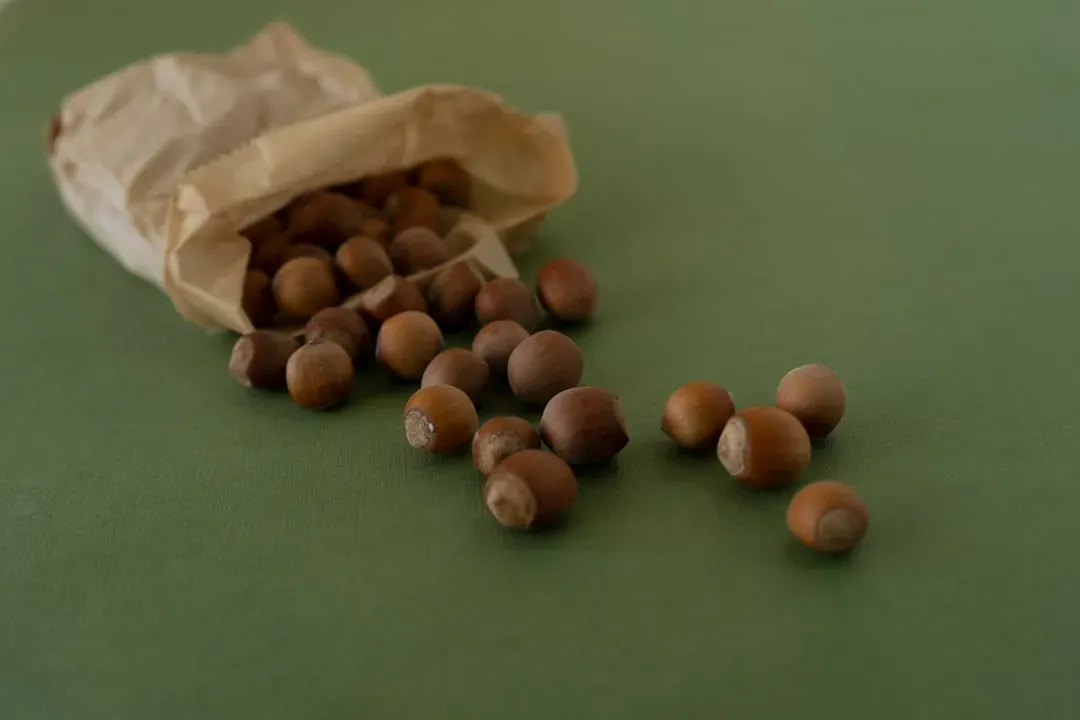
Bonsai seeds are simply regular tree seeds from species that respond well to miniaturization techniques, there's no such thing as a special "bonsai seed" with unique genetics. You can purchase quality seeds from specialty nurseries, botanical suppliers, and established bonsai retailers, but growing from seed requires 5-10 years to develop a display-worthy tree. The process involves proper stratification (cold treatment for temperate species), careful germination in well-draining soil, and patient seedling care before any training begins.
Table of Contents
- Understanding Bonsai Seeds: What You're Actually Buying
- The Truth About 'Bonsai Seeds'
- Best Beginner Species for Seed Growing
- Identifying Reputable Seed Sources
- The Complete Seed-to-Seedling Process
- Stratification: Breaking Seed Dormancy
- Germination Setup and Timeline
- First-Year Seedling Care
- Growing from Seed vs. Other Starting Methods: Making the Right Choice
- Realistic Timeline Expectations
- The Benefits of Starting from Seed
- When to Consider Alternatives
- Where to Buy Quality Bonsai Seeds and Starter Kits
- Recommended Seed Vendors and What to Expect
- Evaluating Complete Seed Kits
- Seeds vs. Young Seedlings: Cost-Benefit Analysis
Understanding Bonsai Seeds: What You're Actually Buying
The term "bonsai seeds" is really just marketing language for regular tree and shrub seeds. When you buy a packet labeled for bonsai, you're getting the same seeds a forester would plant in a reforestation project. The difference lies in how you'll eventually train the resulting tree, not in the seed's genetic makeup (according to the Chicago Botanic Garden).
The Truth About 'Bonsai Seeds'
Any tree species can theoretically become bonsai through pruning, wiring, and root work over many years. The seeds themselves contain no special miniaturization genes, bonsai results from cultivation techniques applied to normal trees (according to the Chicago Botanic Garden). You create the small size through consistent training, not through planting magic seeds.
Vendors who claim their seeds produce naturally tiny trees or show photos of impossibly blue foliage are selling fantasy, not horticulture. Look for sellers who provide the botanical name (genus and species), realistic germination rates, and honest timelines. A reputable source will tell you that Japanese maple seeds grow into regular Japanese maple seedlings that you'll train over years.
Best Beginner Species for Seed Growing
Chinese elm (Ulmus parvifolia) tolerates beginner mistakes well and germinates reliably without complex preparation. The seeds sprout within two to three weeks in warm conditions, and the species adapts to indoor or outdoor cultivation depending on your climate.
Japanese maple (Acer palmatum) and trident maple (Acer buergerianum) offer excellent branch ramification and attractive leaf reduction. Both require cold stratification, 30 to 60 days in your refrigerator, but they germinate predictably after treatment. These deciduous species show you clear seasonal changes, which helps you learn to read your tree's needs.
Japanese black pine (Pinus thunbergii) develops interesting bark texture relatively quickly and responds well to candle-pruning techniques. The seeds need a shorter cold period (about 30 days) and germinate within a month of planting. Honestly, pines teach you patience since needle development follows a predictable annual cycle you can't rush.
Identifying Reputable Seed Sources
Specialty nurseries and botanical seed suppliers provide detailed species information, including stratification requirements and expected germination rates. These vendors often guarantee seed viability and offer fresh seed collected within the past year, which matters because germination rates decline significantly in stored seeds (according to Michigan State University Extension).
Red flags include vendors offering "rare rainbow bonsai" or seeds that promise full-sized trees in impossibly short timeframes. Extremely cheap seed packets from unknown overseas sellers often contain misidentified species or old seed with poor viability. Well, you might receive 50 seeds for two dollars, but zero germination wastes more than money, it costs you months of effort and early discouragement.
The Complete Seed-to-Seedling Process
Growing from seed follows clear steps that work consistently when you match the process to your species' requirements. The timeline stretches across seasons, but each phase has observable markers that tell you when to move forward.
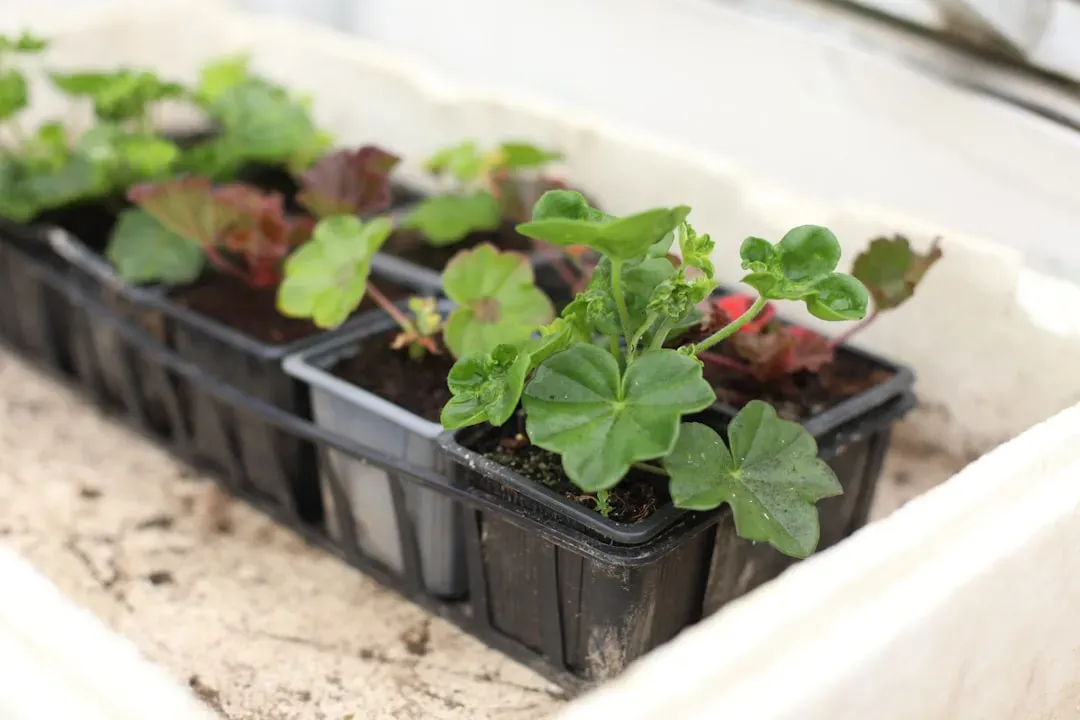
Beginner Bonsai Species: Growing Requirements and Timeline
| Species | Botanical Name | Cold Stratification Required | Stratification Duration | Germination Timeline | Key Characteristics |
|---|---|---|---|---|---|
| Chinese Elm | Ulmus parvifolia | No | None | 2-3 weeks | Tolerates beginner mistakes, reliable germination, adapts to indoor/outdoor |
| Japanese Maple | Acer palmatum | Yes | 30-60 days | Predictable after treatment | Excellent branch ramification, attractive leaf reduction, shows seasonal changes |
| Trident Maple | Acer buergerianum | Yes | 30-60 days | Predictable after treatment | Excellent branch ramification, attractive leaf reduction, deciduous |
| Japanese Black Pine | Pinus thunbergii | Yes | ~30 days | ~1 month after planting | Develops bark texture quickly, responds to candle-pruning, teaches patience |
Stratification: Breaking Seed Dormancy
Seeds from temperate climate trees need cold stratification, exposure to cold, moist conditions that mimics winter, before they'll germinate. This dormancy mechanism prevents seeds from sprouting in fall only to face killing frost as seedlings (according to the USDA Forest Service). In nature, seeds lie in cold soil through winter; you'll recreate this in your refrigerator.
Place seeds between damp (not soaking) paper towels inside a sealed plastic bag, then refrigerate at 35-40°F for the species-specific period. Japanese maple needs 60-90 days, while most pines require only 30-40 days (according to Michigan State University Extension). Check weekly to ensure the towel stays moist but not moldy.
Tropical and subtropical species, including Chinese elm and many ficus varieties, don't require stratification. These seeds germinate best with consistent warmth and moisture immediately after planting.
Germination Setup and Timeline
Use sterile seed-starting mix rather than garden soil to prevent damping-off disease that kills seedlings. Fill small containers (2-3 inches deep) with drainage holes, moisten the mix thoroughly, then press seeds onto the surface. Cover with a thin layer of mix, roughly twice the seed's thickness.
Maintain soil temperature between 65-75°F for most species and keep the surface consistently moist without waterlogging. A humidity dome or plastic wrap creates stable conditions, but remove it daily for air circulation. Place containers in bright, indirect light initially, moving to stronger light as seedlings emerge.
Germination timelines vary dramatically by species. Chinese elm sprouts in 10-21 days, maples take 14-30 days after stratification, and some pine species need 30-90 days (according to Penn State Extension). Mark your calendar and resist the urge to dig up seeds to check progress.
First-Year Seedling Care
Seedlings emerge fragile, a few hours of dry soil or intense sun can kill them. Keep soil evenly moist (checking daily with your finger) and gradually increase light exposure over two weeks. Start with filtered light, then move to morning sun, finally to the full light conditions the mature species prefers.
Begin fertilizing when the second set of true leaves appears, using quarter-strength liquid fertilizer every two weeks. Seedlings need nutrients to build root systems, but full-strength fertilizer burns delicate roots. Transplant to slightly larger containers when roots emerge from drainage holes, typically after three to four months.
Here's the thing: resist all temptation to wire, prune, or "train" first-year seedlings. They need to grow freely, developing trunk thickness and root mass. The bonsai work begins in year three at the earliest, after your seedling has established the vigor to handle training stress.
Growing from Seed vs. Other Starting Methods: Making the Right Choice
Starting from seed offers unique rewards but demands realistic assessment of your timeline and goals. Most practitioners combine approaches, maintaining display trees while developing seedlings as long-term projects.
Realistic Timeline Expectations
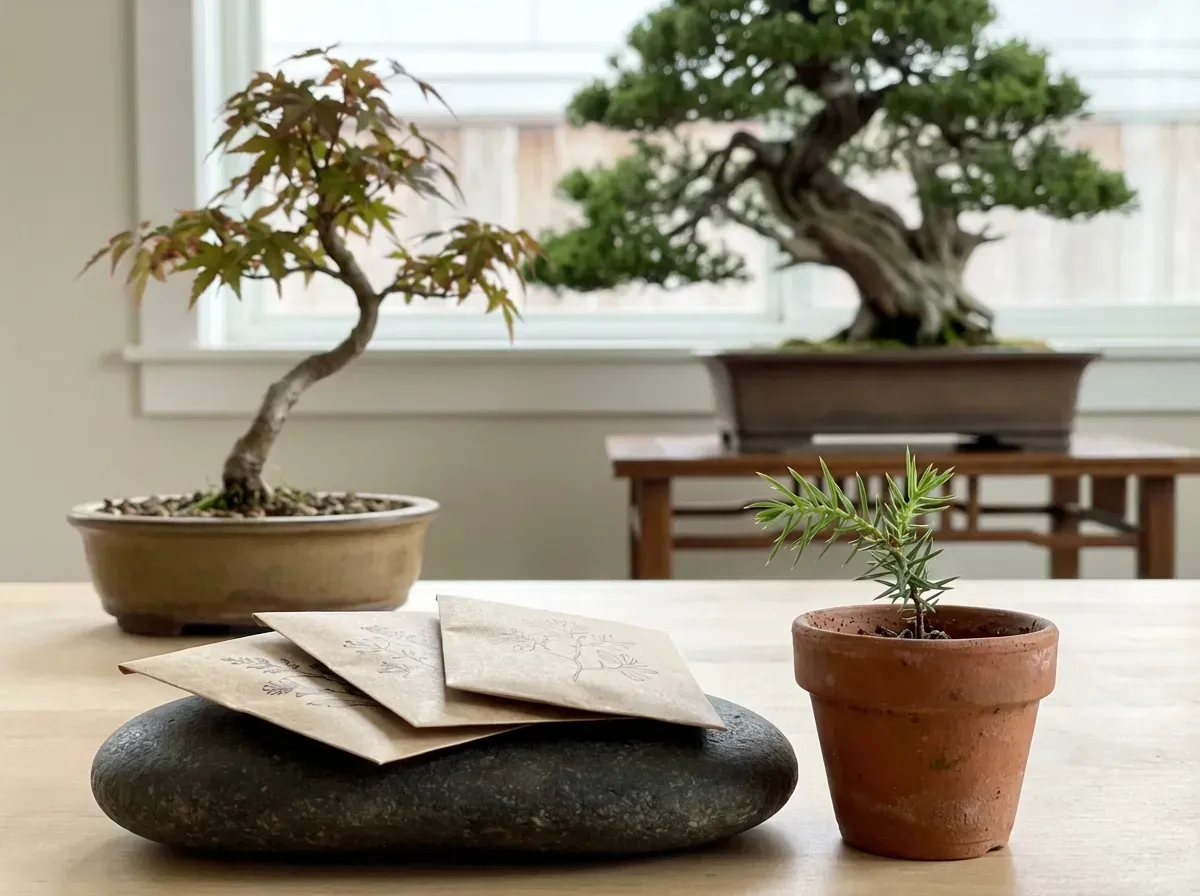
Expect 5-10 years from germination to a display-worthy bonsai, depending on species and your definition of "display-worthy." Year one focuses on germination and seedling establishment. Years two through four involve free growth in larger containers or ground planting to develop trunk thickness, the foundation of convincing bonsai proportions.
Initial training begins in years five through seven: selecting the front, establishing primary branches, beginning wire work. Refinement occupies years eight onward as you develop branch ramification and fine-tune the design. Compare this to purchasing nursery stock (3-5 years old) that's ready for initial styling immediately, cutting your timeline roughly in half.
The math matters for planning. If you're 55 and starting seeds today, you'll have a refined bonsai around age 65. Starting with a five-year-old pre-bonsai puts you at 60 with similar results.
The Benefits of Starting from Seed
Growing from seed creates an unmatched connection to your tree, you've witnessed every day of its life. You control trunk development from day one, creating the taper and movement that's difficult to achieve when working with older material. The nebari (surface roots) radiates naturally when you guide it from the beginning rather than correcting poor patterns in mature trees.
The process itself provides therapeutic value through its slow, meditative pace. I'll never forget the moment my first seed-grown Japanese maple finally showed its autumn colors after three years of patient care—the leaves turned a deep crimson I could see from across my yard, and I felt a pride completely different from anything I'd experienced with nursery stock. The trunk had this perfect slight curve I'd wired in year one, and the roots spread across the soil surface exactly as I'd positioned them during that first repotting, like watching a child you'd raised accomplish something on their own. Seeds also cost substantially less than nursery stock. A packet of 20 Japanese maple seeds costs what you'd pay for a single two-year-old seedling.
When to Consider Alternatives
Nursery stock or pre-bonsai makes sense if you want a displayable tree within two to three years. Garden centers sell suitable species in one-gallon containers that already have trunk thickness and branch structure, you're styling rather than building from scratch.
To be fair, starting exclusively with seeds means years without a finished tree to display. Beginning with one or two developed trees while growing seedlings on the side provides both immediate engagement and future potential.
Seeds vs. Young Seedlings: Cost and Timeline Comparison
| Starting Method | Initial Cost | Time to Display-Worthy Tree | Skill Level Required | Best For |
|---|---|---|---|---|
| Seeds from reputable vendor | Low ($5-15 per packet) | 5-10 years | Beginner to intermediate | Patient growers wanting to learn the full process, lowest cost option |
| Young seedlings (1-2 years old) | Medium ($15-50 each) | 3-7 years | Beginner to intermediate | Growers wanting to skip germination/early care phases, moderate investment |
| Pre-trained nursery stock | High ($50-200+) | 1-3 years | Intermediate to advanced | Experienced bonsai enthusiasts wanting faster results, premium specimens |
Where to Buy Quality Bonsai Seeds and Starter Kits
Quality seed sources provide species-specific information and realistic expectations rather than marketing hype.
Recommended Seed Vendors and What to Expect
Specialty bonsai nurseries often sell seeds from their own stock trees, ensuring proper species identification and fresh seed. Sheffield's Seed Company, Lawyer Nursery, and similar botanical suppliers offer tree seeds with detailed stratification instructions and germination data. Prices range from $4-8 for packets of 20-50 seeds depending on species rarity and collection difficulty.
Avoid marketplace sellers offering mixed "bonsai seed assortments" without botanical names or those showing obviously manipulated photos. "When purchasing tree seeds for bonsai, look for suppliers who provide detailed germination protocols and species-specific information rather than generic 'bonsai seed' marketing," says Dr. Michael Dirr, Professor Emeritus of Horticulture at the University of Georgia and author of the Manual of Woody Landscape Plants. Look for vendors who list collection year, seeds lose viability with age, and fresh seed germinates at significantly higher rates than year-old stock (according to Michigan State University Extension).
Evaluating Complete Seed Kits
Complete kits should include seeds, appropriate growing medium, containers with drainage, and detailed instructions covering stratification and germination for the specific species included. Quality kits cost $25-45 and contain enough materials to start 4-8 trees. They work well for absolute beginners who want everything in one package.
Examine what's actually included before purchasing. Some "kits" provide only seeds and a small pot, requiring you to source soil and other supplies separately. The instructions matter more than fancy packaging, look for kits with species-specific care information rather than generic "bonsai growing" advice that applies poorly to your actual seeds.
Seeds vs. Young Seedlings: Cost-Benefit Analysis
One-year-old seedlings cost $8-15 each but save you the germination uncertainty and most vulnerable growth phase. You're essentially paying someone else to handle the first year's care, which includes the highest mortality risk. Two-year-old seedlings ($15-30) have established root systems and enough vigor to handle beginner mistakes more forgivingly.
Seeds make financial sense when you want multiple trees of the same species or enjoy the complete growing process. Seedlings work better when you're trying a new species and want to minimize the learning-curve losses. Research from the American Bonsai Society's 2019 cultivation survey found that seeds started by beginners showed germination rates of 40-65% depending on species, with first-year survival dropping to just 30-45% due to watering errors and fungal issues. In contrast, nursery-grown one-year seedlings demonstrated 85-90% survival rates when transferred to bonsai training, according to data compiled by the National Bonsai Foundation. The cost difference—roughly $3 for seeds versus $12 for a one-year seedling—translates to better value when you factor in the time investment: seeds require 12-18 months of careful attention to reach the same development stage that a purchased seedling offers immediately. Most practitioners eventually do both, growing some species from seed while purchasing seedlings of species that germinate unpredictably or require complex treatment.
The choice between seeds and more developed material ultimately reflects your personal timeline and what aspects of bonsai cultivation engage you most deeply. Both paths lead to the same destination, just at different paces with different lessons learned along the way.
Related Articles
- Complete Guide to Bonsai Trees: Care, Types & Growing Tips
- Bonsai Tree Types: 15+ Species for Every Skill Level
- Bonsai Tree Care: Complete Maintenance Guide for Beginners
- Bonsai Trees for Sale: Where to Buy & What to Look For
- Bonsai Tree Growth: Understanding Development Stages
- Indoor Bonsai Trees: Best Species & Care Requirements
Frequently Asked Questions
Are bonsai seeds genetically different from regular tree seeds?
No. Bonsai seeds are regular tree seeds with no special genetics. The term "bonsai seeds" is marketing language—the miniature size comes from cultivation techniques like pruning and wiring applied over years, not from the seed itself.
How long does it take to grow a display-worthy bonsai from seed?
It typically takes 5-10 years to develop a display-quality bonsai from seed. This lengthy timeline is why many beginners choose to start with young seedlings or pre-trained trees instead.
What is stratification and why do some seeds need it?
Stratification is a cold treatment that breaks seed dormancy, mimicking winter conditions. Temperate species like Japanese maple and trident maple require 30-60 days of refrigeration before they'll germinate reliably.
Which bonsai species is easiest to grow from seed for beginners?
Chinese elm (Ulmus parvifolia) is the best choice for beginners—it requires no cold stratification, germinates within 2-3 weeks in warm conditions, and tolerates beginner mistakes well.
What should I watch out for when buying bonsai seeds online?
Avoid vendors claiming "rare rainbow bonsai" or impossible timelines, and be skeptical of extremely cheap seeds from unknown overseas sellers, which often contain misidentified or old seeds with poor viability. Choose reputable specialty nurseries that provide botanical names and realistic germination rates.
Does seed age affect germination rates?
Yes, germination rates decline significantly in stored seeds. Buy fresh seed collected within the past year from reputable suppliers who guarantee viability for the best results.
Can I grow bonsai from seed indoors or outdoors?
It depends on the species and your climate. Some species like Chinese elm adapt to both indoor and outdoor cultivation, while others have specific requirements. Check your chosen species' needs before starting.