Bonsai Tree Species: Complete Guide to Types & Selection
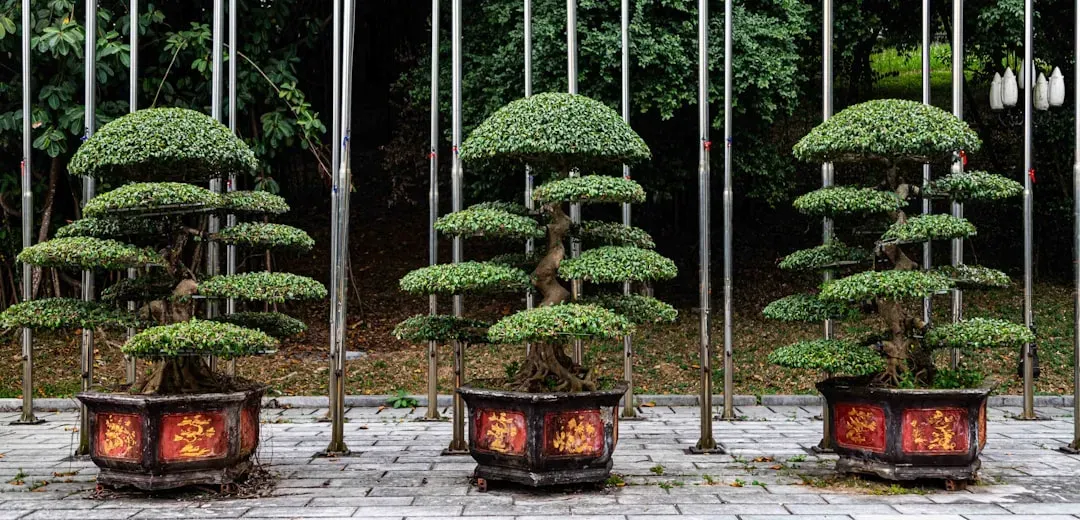
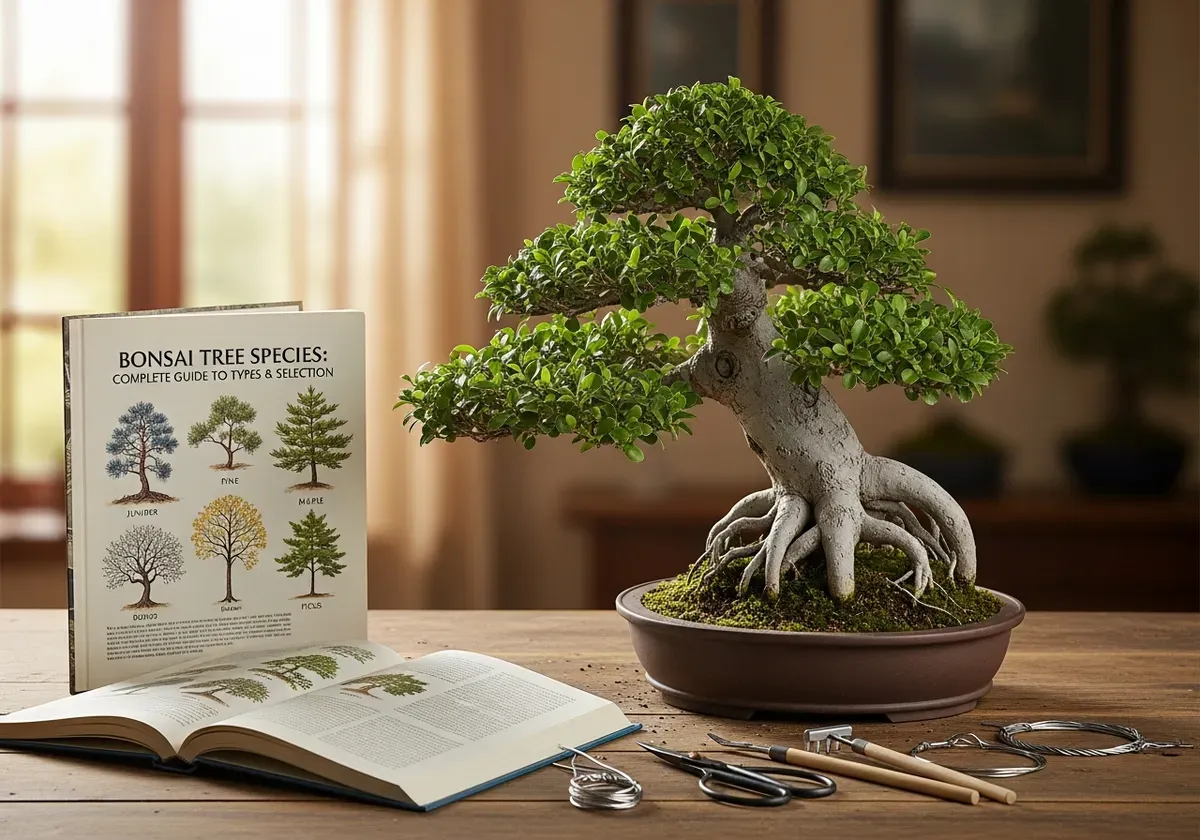
Selecting the right bonsai species determines whether you'll spend years refining a healthy tree or struggling with a plant unsuited to your environment. Trees suitable for bonsai share specific characteristics: naturally small leaves that maintain proportion at miniature scale, short internodes between leaf nodes, vigorous response to pruning, and root systems that tolerate confinement in shallow containers. Not every tree species adapts well to bonsai cultivation, and matching your first tree to your actual living conditions, indoor versus outdoor space, climate zone, available time, matters more than choosing the most exotic or expensive specimen.
Table of Contents
- Understanding Bonsai Species: What Makes a Tree Suitable for Bonsai
- Key Characteristics of Bonsai-Suitable Trees
- Natural vs. Cultivated Dwarf Varieties
- Indoor vs. Outdoor Bonsai: Critical Differences for Species Selection
- Why Most Bonsai Need to Live Outdoors
- True Indoor Species and Their Requirements
- Matching Species to Your Living Space
- Beginner-Friendly Bonsai Species: Starting Your Journey Right
- Ficus: The Ultimate Indoor Beginner Bonsai
- Juniper: The Outdoor Starter Tree
- Chinese Elm: Versatile and Resilient
- Other Beginner-Appropriate Species
- Intermediate Bonsai Species: Advancing Your Skills
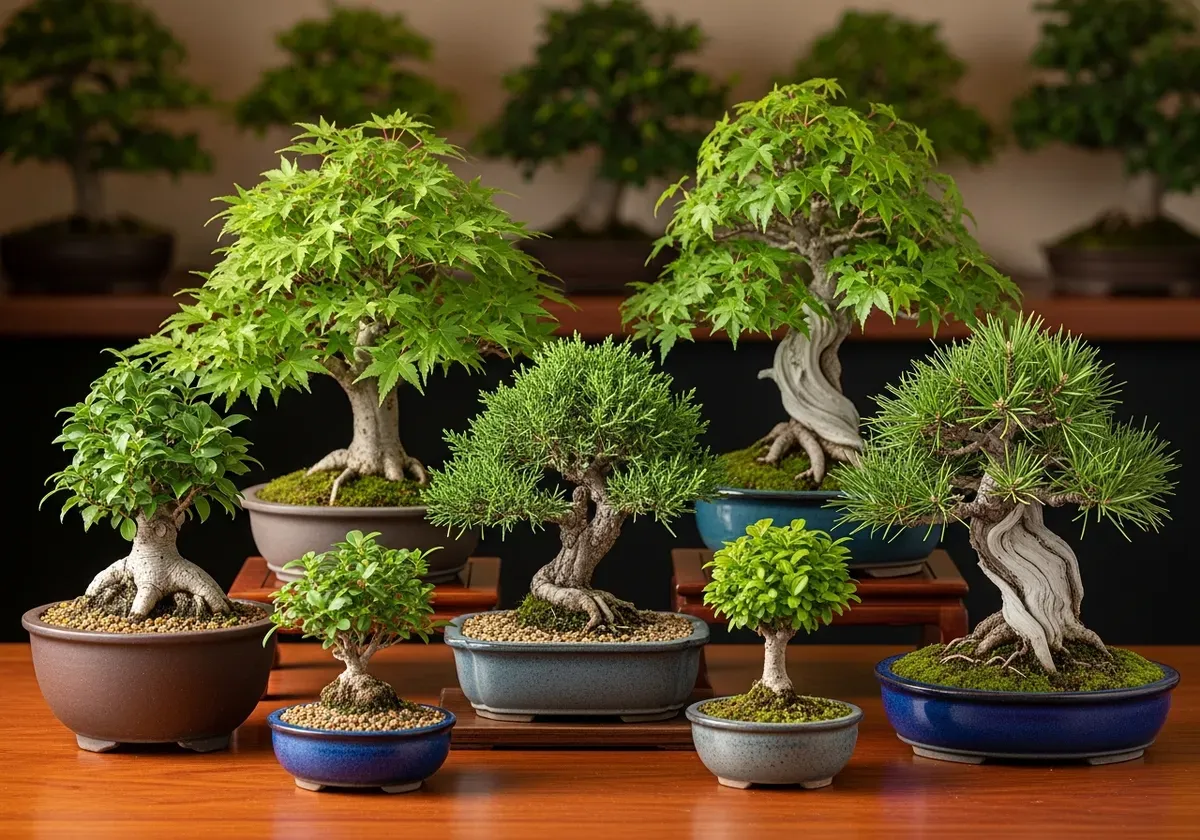
- Japanese Maple Varieties (Acer palmatum)
- Pine Species for Traditional Aesthetics
- Deciduous Flowering Trees
- Advanced and Specialty Bonsai Species
- Selecting Bonsai by Climate Zone and Geographic Location
- Choosing Bonsai Based on Lifestyle and Physical Considerations
- Evaluating Bonsai Quality: What to Look for When Purchasing
- Sourcing Your Bonsai: Where and How to Acquire Quality Trees
- Creating Your Personal Bonsai Collection Strategy
Understanding Bonsai Species: What Makes a Tree Suitable for Bonsai
Your success with bonsai starts with understanding that these aren't special miniature plants, but regular trees trained through specific techniques. The species you select must possess biological characteristics that respond well to the confinement, pruning, and training that bonsai cultivation requires.
Bonsai Species Suitability Factors
| Characteristic | Ideal for Bonsai | Problematic for Bonsai | Examples |
|---|---|---|---|
| Leaf Size | Naturally small leaves (maintain scale) | Large leaves (look disproportionate) | Maple vs. Oak |
| Root System | Fibrous, spreading roots | Deep taproots, extensive root runs | Elm vs. Oak |
| Branch Flexibility | Flexible young wood, pliable growth phases | Rigid wood that snaps easily | Juniper vs. Pine |
| Growth Response | Vigorous response to pruning | Slow recovery from pruning | Ficus vs. Slow-growing conifers |
| Dwarf Varieties | Naturally small-leaved species | Cultivars that revert to larger growth | Juniperus procumbens vs. some dwarf maples |
Trees with small leaves, short internodes, and attractive bark or flowers make ideal bonsai candidates (Royal Horticultural Society). These traits allow the tree to maintain convincing proportions when reduced to miniature scale. A tree with naturally large leaves will always look awkward in a small pot, no matter how skillfully you train the branches.
The ability to tolerate severe root pruning and confinement in small containers separates bonsai-suitable species from those that will languish or die under these conditions (Penn State Extension). When you prune roots during repotting, the tree must generate new feeder roots quickly enough to sustain itself. Species with naturally fibrous, compact root systems adapt more readily than those with aggressive taproots.
Key Characteristics of Bonsai-Suitable Trees
Leaf size proportionality matters because small leaves create the illusion of a full-sized tree in miniature (Penn State Extension). Think of a maple with six-inch leaves, it will never look like an ancient tree when the entire plant stands only eighteen inches tall. Species like Japanese maple, Chinese elm, and most junipers produce naturally small foliage that maintains visual scale.
Branch flexibility and lignification patterns determine how easily you can wire and shape the tree. Young branches need enough flexibility to bend without snapping, while older wood should develop interesting bark texture relatively quickly. Junipers and ficus species allow dramatic bending even on established branches, while pines require shaping during specific growth phases when wood remains pliable.
Root system adaptability separates species that thrive in shallow containers from those that struggle. Trees with naturally spreading, fibrous roots, like elms and most tropical species, transition smoothly into bonsai pots. Species that develop deep taproots or require extensive root runs, like many oaks, present ongoing challenges even for experienced practitioners.
Natural vs. Cultivated Dwarf Varieties
Understanding the difference between naturally small-leaved species and dwarf cultivars affects your long-term cultivation strategy. A naturally small-leaved species like Juniperus procumbens 'Nana' maintains its compact foliage through genetics, making it reliably suitable for bonsai at any age or size.
Dwarf cultivars, developed through selective breeding for compact growth, sometimes produce irregular growth patterns as they mature. A dwarf Japanese maple might send out occasional vigorous shoots that revert toward standard leaf size, requiring prompt removal to maintain the tree's refined character.
Well, the distinction matters most when you're selecting material for long-term development. A naturally proportioned species gives you predictable results as the tree matures over decades, while some dwarf varieties require ongoing vigilance to maintain their compact characteristics through selective pruning and branch selection.
Indoor vs. Outdoor Bonsai: Critical Differences for Species Selection
Most bonsai should be placed outdoors, where they experience the four natural seasons just as normal trees do (BBC Gardening). This represents the single most important fact about bonsai species selection, yet it contradicts what many newcomers expect when they envision bonsai as decorative houseplants.
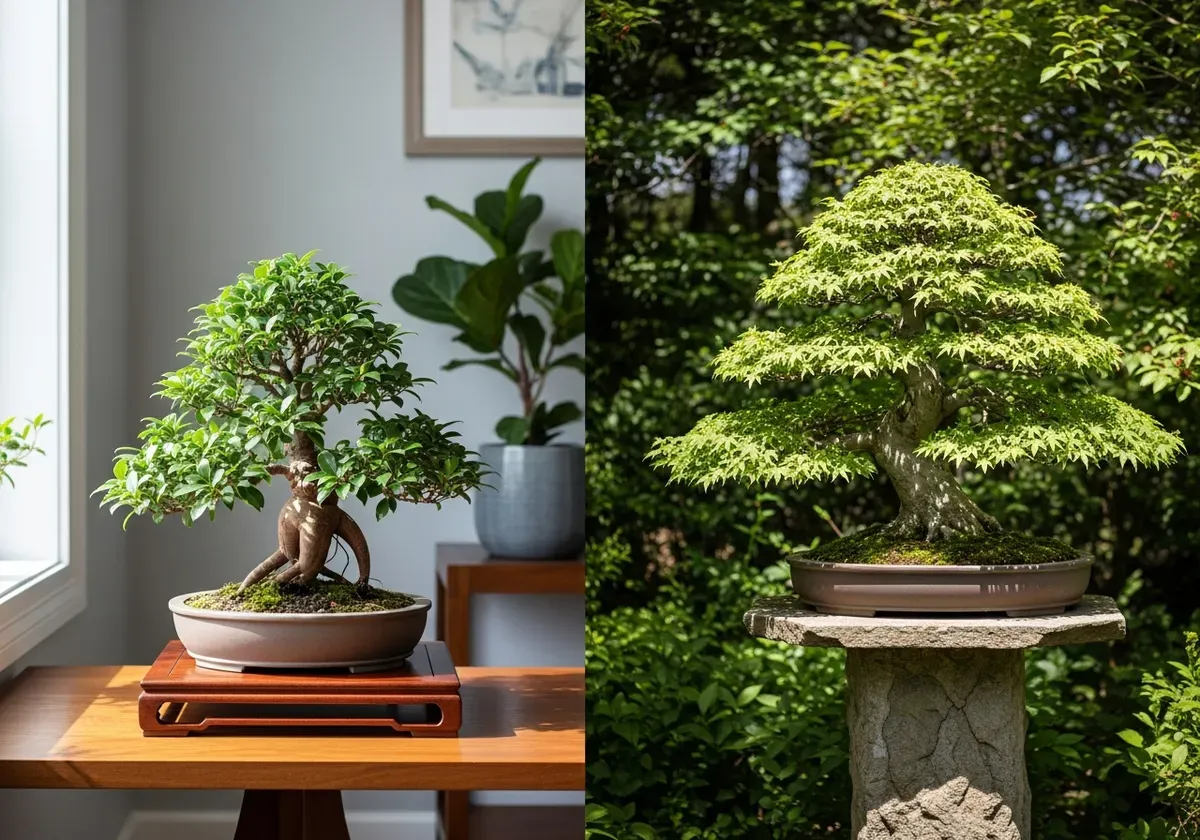
The distinction between indoor and outdoor bonsai isn't about preference or convenience. It's about fundamental biology. Temperate species, trees native to regions with distinct seasons, require a dormant period at the right time of year and will sicken and die if kept at room temperature year-round (BBC Gardening).
Why Most Bonsai Need to Live Outdoors
Temperate trees must experience temperatures below 45°F for several months to complete their natural growth cycle (Penn State Extension). During dormancy, these trees undergo essential physiological processes: they harden off their cambium layer, redistribute resources to roots, and prepare buds for spring growth. Without this cold period, temperate species exhaust themselves trying to maintain active growth year-round.
Maples, pines, junipers, and most deciduous species fall into this category. You can't substitute artificial cooling or manipulate light cycles to trick these trees into healthy indoor life, their seasonal requirements developed over millions of years of evolution and they respond to complex environmental cues beyond simple temperature or day length.
Outdoor placement doesn't mean neglect. These trees need protection from extreme cold, proper watering through winter, and positioning that accounts for seasonal sun angles and wind exposure.
True Indoor Species and Their Requirements
Only tropical and subtropical plants can survive indoors, where temperatures remain high and stable throughout the year (BBC Gardening). These species evolved in environments without freezing winters, so they don't require dormancy and can maintain active growth given adequate light, humidity, and temperature.
Ficus species represent the most reliable indoor bonsai option. They tolerate low light and low humidity better than most tropical plants, though they still perform best near bright windows (Arbor Day Foundation). Other genuine indoor candidates include jade (Crassula ovata), schefflera, and certain tropical elms.
Even tropical species need more light than most indoor environments naturally provide. A south-facing window offers the best conditions, while northern exposures often require supplemental grow lights. Indoor humidity typically ranges from twenty to forty percent, well below the sixty to eighty percent many tropical species prefer. Daily misting helps, but a humidity tray filled with gravel and water provides more consistent moisture.
Matching Species to Your Living Space
Assess your actual environment honestly before selecting a species. If you live in an apartment without a balcony or accessible outdoor space, you must choose from the limited palette of tropical and subtropical species that genuinely thrive indoors. Trying to keep a juniper or maple on your windowsill leads to a slowly dying tree, not a successful bonsai.
For those with balconies, patios, or yards, the full range of climate-appropriate outdoor species becomes available. Even a small balcony can accommodate several outdoor bonsai if you protect them from the strongest winds and provide appropriate seasonal care.
Beginner-Friendly Bonsai Species: Starting Your Journey Right
Your first bonsai should forgive mistakes while teaching you fundamental techniques. The species profiled here tolerate irregular watering, bounce back from pruning errors, and show clear responses to your care, allowing you to learn through observation rather than watching a tree slowly decline from accumulated mistakes.
Beginner Bonsai Species Comparison
| Species | Indoor/Outdoor | Leaf Size | Difficulty Level | Key Characteristics |
|---|---|---|---|---|
| Ficus | Indoor | Small | Beginner | Tolerates low light, forgiving of watering mistakes, tropical origin |
| Juniper | Outdoor | Tiny | Beginner | Responds well to wiring, needs full sun, naturally compact foliage |
| Chinese Elm | Both | Small | Beginner | Versatile placement options, vigorous growth, fibrous root system |
Ficus: The Ultimate Indoor Beginner Bonsai
The Ficus genus, part of the mulberry family, includes some of the most forgiving trees for indoor bonsai cultivation. Ficus retusa, benjamina, and microcarpa all tolerate most soil types and light conditions while growing quickly enough to show results from your training efforts (Arbor Day Foundation).
These trees survive missed waterings better than most indoor species because their thick leaves store moisture. They also produce aerial roots that add visual interest and can be trained over rocks or incorporated into the trunk structure. When you prune a ficus, it responds with vigorous back-budding, giving you plenty of opportunities to develop fine branch ramification.
Place your ficus near a bright window and water when the soil surface feels dry to touch. The tree will drop some leaves when you first bring it home, this represents normal adjustment to new conditions, not a sign of failure.
Juniper: The Outdoor Starter Tree
Junipers rank among the most popular trees for bonsai, with about fifty to seventy species within the cypress family offering evergreen foliage and excellent training characteristics (Arbor Day Foundation). Juniperus procumbens 'Nana', the Japanese garden juniper, specifically suits beginners because it tolerates aggressive pruning and wiring while maintaining compact growth.
These trees need full outdoor placement year-round in most climates. They tolerate cold winters well but require protection from harsh winds that can desiccate their foliage. Junipers show you clearly when they need water, the foliage loses its vibrant color and feels slightly soft when properly hydrated foliage should feel firm and springy.
The main challenge with junipers involves understanding that they must live outdoors. Many beginners purchase a juniper expecting an indoor plant, then watch it decline over several months as it fails to receive adequate light and seasonal temperature variation.
Chinese Elm: Versatile and Resilient
Ulmus parvifolia stands out for its adaptability to both indoor and outdoor conditions, though it genuinely prefers outdoor placement in most climates. This species tolerates low light and low humidity better than most trees, making it forgiving of less-than-ideal indoor conditions (Arbor Day Foundation).
Chinese elm responds vigorously to pruning with dense back-budding, allowing you to develop fine branch structure relatively quickly. The bark exfoliates attractively as the tree matures, revealing orange and brown patterns that add visual interest even in winter when deciduous varieties drop their leaves.
This species tolerates beginner mistakes particularly well. If you forget to water and the tree drops its leaves, proper watering usually triggers new growth within weeks rather than permanent damage.
Other Beginner-Appropriate Species
Jade plants (Crassula ovata) offer the most forgiving option for beginners who tend to overwater. Their succulent leaves store water, making them nearly impossible to kill through drought. They require less frequent watering than other species and tolerate indoor conditions naturally.
Carmona retusa (Fukien tea) grows well indoors with adequate light and produces small white flowers throughout the year. However, it's less forgiving than ficus regarding watering consistency, the soil should stay evenly moist without becoming waterlogged.
Schefflera arboricola tolerates low light better than most tropical species and develops an interesting braided or twisted trunk structure. It grows quickly, allowing you to see results from pruning and training within a single growing season.
Intermediate Bonsai Species: Advancing Your Skills
Moving beyond beginner species means accepting trees that demand more precise care but reward you with superior aesthetics. These species require attention to specific seasonal tasks, more careful watering management, or techniques like needle plucking and candle pinching that beginners haven't yet mastered.
Japanese Maple Varieties (Acer palmatum)
Japanese maples offer extraordinary seasonal interest: fresh green or red growth in spring, full canopy in summer, spectacular fall color, and delicate branch structure visible through winter. However, they require skills you've developed through experience with more forgiving species.
These trees need protection from intense afternoon sun during summer, as their delicate leaves scorch easily. They also require consistent moisture, the soil should never completely dry out, but waterlogging causes root rot quickly. You'll need to water sometimes twice daily during hot weather while monitoring soil moisture carefully.
Varieties like 'Deshojo', 'Seigen', and 'Kiyohime' produce naturally small leaves and compact growth suitable for bonsai. Standard cultivars develop leaves too large for convincing proportion unless you perform leaf pruning during early summer, a technique that requires understanding the tree's energy reserves and growth patterns.
The branch structure of Japanese maples develops slowly compared to faster-growing species. You're working on a timeline measured in years rather than months, learning patience while the tree gradually reveals its character through your training.
Pine Species for Traditional Aesthetics
Japanese Black Pine (Pinus thunbergii) and White Pine (Pinus parviflora) represent traditional bonsai subjects that demand intermediate-to-advanced skills. These species require specific seasonal maintenance including candle pinching in spring, needle plucking in fall, and careful fertilization timing to control growth vigor.
Pines grow through distinct flushes rather than continuously, so your pruning and training must align with their growth cycle. Pinching candles, the new spring growth, before needles fully extend controls the length of that year's growth. This technique requires you to assess each candle's vigor and pinch accordingly, removing more from strong candles and less from weak ones to balance the tree's energy.
Needle plucking in autumn removes older needles to improve light penetration and air circulation while forcing the tree to maintain dense foliage on interior branches. You'll remove different percentages of needles based on branch position and vigor, a nuanced task that comes from understanding how pines allocate resources.
Deciduous Flowering Trees
Azaleas (Rhododendron species), flowering crabapples (Malus), and flowering cherries (Prunus) add spectacular seasonal displays to your collection. These species bloom on old wood, so your pruning timing directly affects next year's flower production, prune at the wrong time and you sacrifice an entire season of blooms.
Azaleas need acidic soil and specific fertilization with products formulated for acid-loving plants. They also require careful watering with rainwater or filtered water in areas with alkaline tap water, as they're sensitive to mineral buildup. After flowering, you'll prune and shape the tree, then leave it largely undisturbed while it sets buds for next year's display.
Flowering fruit trees demand similar seasonal awareness. You'll thin flower buds to prevent the tree from exhausting itself through excessive fruiting, a counterintuitive practice that improves both tree health and the size of remaining flowers and fruit.
Advanced and Specialty Bonsai Species
Advanced species demand expertise developed over years of cultivation. These trees punish mistakes severely, grow slowly enough that errors require years to correct, or need environmental conditions difficult to provide in typical home settings.
Japanese White Pine (Pinus parviflora) at the advanced level requires mastery of grafting techniques to develop dense foliage pads. Practitioners often graft multiple cultivars onto a single tree to achieve specific aesthetic effects, a skill requiring precise timing, sterile technique, and understanding of cambium compatibility.
Tropical hardwoods like rosewood and tamarind grow extremely slowly, meaning structural decisions made today won't show full results for a decade or more. These species also require very specific soil compositions and watering schedules, tamarind, for instance, needs a distinct dry period to trigger flowering, while too much drought causes branch dieback.
Native species collected from the wild present challenges in transitioning from natural growing conditions to container cultivation. A collected yamadori pine or juniper might spend three to five years in a training box before it's healthy enough to place in a proper bonsai pot. These trees require understanding of their specific habitat conditions and careful acclimation to cultivation.
"With yamadori material, you're looking at a minimum five-year recovery period before any significant styling work," says Bjorn Bjorholm, master bonsai professional and owner of Eisei-en Bonsai in Tennessee. "People see these ancient collected trees and want immediate results, but the tree needs years just to establish a functional root system in cultivation."
Selecting Bonsai by Climate Zone and Geographic Location
Your local climate determines which outdoor species will thrive with reasonable care versus those requiring extensive protection or artificial environment control. Matching species to your USDA hardiness zone prevents the frustration of struggling to keep marginally hardy trees alive through harsh winters or scorching summers.
Temperate species need winter cold but vary in their tolerance for extreme temperatures. Japanese maples generally thrive in zones 5-9 but suffer in regions with late spring frosts that damage emerging leaves. In zone 5 and colder areas, you'll need to protect even hardy species from the combination of freezing temperatures and drying winds that can kill roots in shallow bonsai containers.
The winter protection required depends on your specific microclimate. In zone 7, many deciduous and evergreen species survive winter on an unprotected bench with only occasional watering. In zone 4, the same trees need placement in an unheated garage or cold frame where temperatures stay above 20°F and roots remain protected from freeze-thaw cycles.
Hot summer climates present different challenges. In zones 9-10, species like Japanese maple and azalea need afternoon shade and sometimes evaporative cooling to prevent leaf scorch. Desert climates require species selection favoring trees adapted to low humidity and intense sun, olives, some junipers, and certain native species thrive where moisture-loving maples would struggle.
Research from the American Bonsai Society's 2019 regional cultivation survey found that Chinese elm (Ulmus parvifolia) demonstrated 92% survival rates across zones 6-10, while Japanese maple (Acer palmatum) showed 87% success in zones 5-8 but dropped to 34% in zones 9-10 without supplemental shade structures. The study tracked over 3,400 trees across twelve years and revealed that juniper species (Juniperus varieties) maintained the highest adaptability, with 89% survival rates spanning zones 4-9 when practitioners matched subspecies to their specific hardiness requirements. These findings confirm what experienced growers observe: matching species to your precise climate zone matters more than following general care guidelines, as even a single zone difference significantly impacts long-term tree health and development.
Coastal regions offer moderate temperatures year-round but present challenges from salt spray and persistent winds. Species selection should favor those with some salt tolerance, pines, junipers, and certain broadleaf evergreens, while avoiding trees with delicate foliage easily damaged by wind.
To be fair, you can grow almost any species anywhere if you're willing to provide artificial climate control, but this approach requires greenhouse space, supplemental lighting, heating, and cooling systems that exceed what most practitioners want to invest. Selecting species naturally suited to your climate allows you to focus on refinement rather than basic survival.
Regional bonsai clubs provide invaluable information about which species perform well in your specific area. Local practitioners have already experimented with various species and can tell you which maples hold up to your summer heat or which pines survive your winter cold reliably.
Choosing Bonsai Based on Lifestyle and Physical Considerations
Your available time, physical capabilities, and daily schedule should influence species selection as much as aesthetic preferences. A tree requiring twice-daily watering during summer doesn't suit someone who travels frequently for work, regardless of how beautiful its flowers might be.
Junipers and pines tolerate brief periods of neglect better than maples or azaleas. If your schedule includes regular travel, species with lower water demands and slower growth rates allow you to maintain healthy trees without arranging daily care from neighbors. Conversely, if you're home daily and enjoy hands-on involvement, faster-growing species like ficus or Chinese elm provide regular opportunities for pruning and training.
Physical considerations matter more than many beginners anticipate. Repotting larger bonsai requires significant hand strength for root pruning and wire cutting. If you have arthritis or limited hand mobility, selecting smaller trees or species that need less frequent repotting makes the practice more sustainable long-term.
The weight of larger trees and their containers can exceed fifty pounds, requiring two people to move safely. If you plan to display trees on upper-floor balconies or need to move them seasonally for protection, weight becomes a practical consideration in both tree size and pot selection.
After fifteen years working with specimen-sized pines and junipers, I gradually shifted my collection toward smaller shohin-sized maples and elms as arthritis began affecting my grip strength. The transition felt like admitting defeat at first, but these compact trees now bring me more satisfaction—I can handle all maintenance independently, and their delicate branching actually demands the refined technique I've developed over decades.
Visual considerations extend beyond the tree itself. If you work from home and want a tree visible from your desk, an indoor species makes sense despite the limited palette. If you spend most time in your garden on weekends, outdoor species allow you to develop a more diverse collection you'll actually see and enjoy regularly.
Budget affects species selection in ways beyond initial purchase price. Some species require specialized fertilizers, specific soil components, or seasonal supplies like raffia for protecting branches during bending. Pines need multiple fertilizer applications with specific NPK ratios throughout the growing season, while ficus thrives on general-purpose fertilizer applied less frequently.
Evaluating Bonsai Quality: What to Look for When Purchasing
Learning to assess bonsai quality before purchase prevents expensive mistakes and sets you up for success rather than years of corrective work. Whether you're buying from a nursery, online vendor, or private seller, specific visual cues indicate a well-cultivated tree versus one with fundamental problems.
The nebari, visible surface roots spreading radially from the trunk base, should show even distribution without major gaps or crossing roots. Poor nebari takes years to correct and limits the tree's ultimate quality. Look for roots that spread in multiple directions, gradually tapering as they enter the soil, creating a stable visual foundation.
Trunk taper, the gradual reduction in thickness from base to apex, creates the illusion of age and natural growth. A trunk that maintains the same diameter from soil to first branch looks like a stick planted in a pot. Quality bonsai show continuous taper with the widest point at the soil line, progressively narrowing toward the apex.
Branch structure should show logical placement with branches emerging at different heights around the trunk, creating depth and three-dimensional form. Avoid trees with bar branching, two branches emerging at the same height on opposite sides of the trunk, as this creates a visual flaw difficult to correct.
The soil surface tells you about recent care. Fresh, appropriate bonsai soil with no weeds or moss growing suggests recent repotting and active maintenance. Compacted soil, thick moss covering the entire surface, or weeds growing in the pot indicate neglect. While these issues are correctable, they mean you're buying a tree needing immediate work rather than one ready to display.
Foliage color and density reveal current health. Species-appropriate color, deep green for most trees, blue-green for certain junipers and pines, indicates good nutrition and proper care. Yellow leaves, sparse foliage, or dead branches suggest stress, disease, or poor cultivation practices.
I once purchased what appeared to be a healthy juniper from a nursery display, impressed by its thick trunk and dense foliage, only to discover during the first repotting that the roots circled the pot interior in a solid mass with almost no feeder roots. The tree declined over six months despite my care, teaching me to always check the nebari and ask when the tree was last repotted—nurseries sometimes keep trees in the same container for years, prioritizing display over root health.
Sourcing Your Bonsai: Where and How to Acquire Quality Trees
Where you acquire your bonsai affects both initial quality and ongoing support as you develop your skills. Different sources offer distinct advantages in terms of price, quality, species selection, and educational value.
Specialized bonsai nurseries provide the highest quality material along with expert advice specific to your local climate. These businesses typically stock species appropriate for your region, maintain trees properly before sale, and offer guidance on care and training. You'll pay premium prices, but you're buying expertise along with the tree.
Online retailers expand your species options beyond what local nurseries stock, particularly for unusual varieties or specific cultivars. However, shipping stress affects trees, and you can't personally inspect the tree before purchase. Reputable online vendors provide detailed photos of the actual tree you'll receive, not stock images, and guarantee live arrival with clear return policies.
General garden centers sometimes stock bonsai, usually mass-produced imports marketed to beginners. These trees vary widely in quality, some represent decent starter material at reasonable prices, while others show poor structure or inappropriate species selection. You'll need enough knowledge to evaluate quality yourself, as staff rarely have bonsai-specific expertise.
Bonsai clubs and societies offer the best value for beginners through member sales, workshops, and annual shows with vendor areas. Club members often sell trees from their collections at fair prices, and you gain access to local expertise and ongoing mentorship. Many clubs host annual auctions where you can acquire quality material below retail prices.
Joining my local bonsai club in my second year of practice transformed my approach to acquiring trees more than any book or video could have. A retired member sold me a fifteen-year-old trident maple for a third of its retail value and spent an hour explaining its specific training history, even visiting my home that first autumn to demonstrate proper defoliation technique on that exact tree.
Starting from nursery stock, regular garden center plants that you'll train as bonsai, provides the most economical entry point and valuable training experience. You'll learn fundamental techniques while working with inexpensive material, making mistakes on five-dollar plants rather than hundred-dollar finished bonsai. This approach requires more patience, as you're developing raw material rather than acquiring a tree with existing bonsai structure.
Creating Your Personal Bonsai Collection Strategy
A thoughtful collection strategy prevents accumulating random trees without coherent direction while ensuring you develop diverse skills across different species and styles. Your collection should reflect your aesthetic preferences, available space, and long-term development goals.
Start with three to five trees maximum during your first year. This number allows you to learn each species' specific requirements without becoming overwhelmed by maintenance demands. Choose species with different care needs and growth patterns, perhaps one indoor tropical, one deciduous outdoor tree, and one evergreen conifer, to develop varied skills.
As you gain experience, expand deliberately rather than impulsively. Each new acquisition should fill a specific gap in your collection: a species you haven't worked with, a particular style you want to learn, or a tree at a different development stage than your existing material. Random accumulation leads to too many trees receiving inadequate attention.
Consider development timelines when building your collection. Include some fast-growing species that show results from your training within a single season, balanced with slower-growing material that develops over years. This mix provides immediate gratification while teaching the patience required for long-term refinement.
Space limitations eventually constrain every collection. A small balcony might accommodate eight to ten trees comfortably, while a dedicated garden area can hold dozens. Be realistic about your available space and how much time you can dedicate to maintenance. Twenty trees needing individual attention exceeds what most people can manage alongside work and family obligations.
My collection evolved from twelve different species during my enthusiastic third year to just four species now—Japanese maple, Chinese elm, juniper, and pine—each represented by multiple trees at various development stages. This focus lets me recognize subtle seasonal changes instantly and apply techniques with confidence, rather than constantly researching care requirements for species I work with only once or twice yearly.
Your collection will evolve as your skills and interests develop. Trees you found exciting as a beginner might no longer interest you after five years of practice, while species that seemed intimidating initially become manageable as your expertise grows. Selling or trading trees you've outgrown makes room for new challenges and keeps your collection fresh and engaging.
Related Articles
- Bonsai Tree Types: 15+ Species for Every Skill Level
- Indoor Bonsai Trees: Best Species & Care Requirements
- Japanese Maple Bonsai: Care Guide & Styling Tips
- Bonsai Tree Care: Complete Maintenance Guide for Beginners
- Bonsai Trees for Sale: Where to Buy & What to Look For
- Complete Guide to Bonsai Trees: Care, Types & Growing Tips
Frequently Asked Questions
Can I turn any tree species into a bonsai?
No, not every tree species is suitable for bonsai cultivation. Trees must have naturally small leaves, short internodes, flexible branches, and fibrous root systems that tolerate confinement. Species with large leaves or deep taproots—like many oaks—will struggle or fail despite skillful training.
What's the best bonsai species for a complete beginner?
Ficus is the ultimate beginner choice for indoor cultivation due to its forgiving nature and vigorous response to pruning. If you have outdoor space, Juniper is the ideal starter tree. Both species tolerate mistakes well and recover quickly from pruning.
Do most bonsai trees need to live outdoors?
Yes, most bonsai species require outdoor conditions with natural light cycles and seasonal temperature changes to thrive. Only true indoor species like Ficus can survive long-term indoors; most trees kept permanently indoors will eventually decline.
Why is leaf size so important when choosing a bonsai species?
Small leaves maintain visual proportion at miniature scale, creating the illusion of a full-sized mature tree. A tree with naturally large leaves will always look disproportionate in a small pot, no matter how well-trained the branches are.
What root system characteristics make a tree suitable for bonsai?
Trees with naturally fibrous, spreading root systems adapt best to shallow bonsai containers and tolerate severe root pruning during repotting. Species with deep taproots or extensive root requirements—like oaks—struggle with the confinement bonsai cultivation demands.
Is Chinese Elm a good choice for beginners?
Yes, Chinese Elm is an excellent beginner species because it's versatile and resilient, responding well to pruning and tolerating various growing conditions. It can adapt to both indoor and outdoor environments, making it forgiving for new practitioners.
Should I choose a bonsai species based on my climate zone?
Absolutely. Matching your bonsai species to your local climate zone and geographic location is critical for long-term success. A species suited to warm climates will struggle outdoors in cold zones, so consider your actual environmental conditions before purchasing.
What makes Japanese Maple an intermediate rather than beginner species?
Japanese Maples require more advanced pruning techniques and specific timing for shaping, and they're more sensitive to environmental stress than beginner species. While beautiful, they demand greater skill and attention than forgiving species like Ficus or Chinese Elm.