Bonsai Tree Types: 15+ Species for Every Skill Level
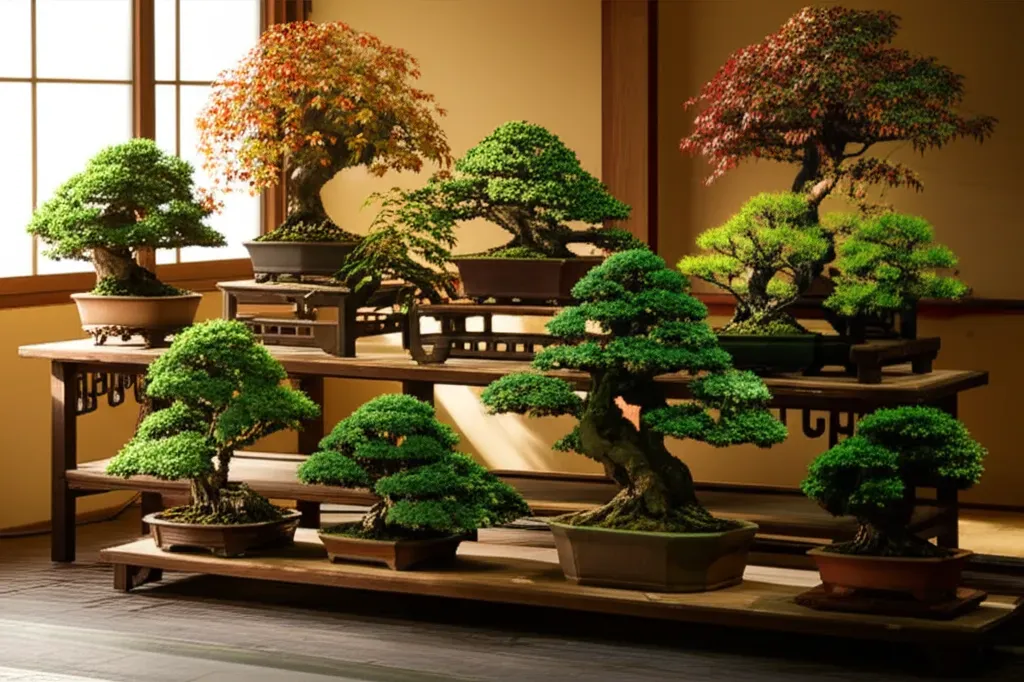
Choosing the right bonsai species determines whether you'll develop genuine cultivation skills or abandon the art after your first tree dies. Over 15 viable species exist for bonsai cultivation, organized by difficulty level from forgiving ficus to demanding Japanese black pine. Beginner species tolerate irregular watering and pruning mistakes, intermediate trees require seasonal timing knowledge, and advanced species demand years of accumulated experience with precise techniques. Your success depends on matching species requirements to your available time, growing space, and climate zone, not on selecting the most beautiful tree at the garden center.
Table of Contents
- Understanding Bonsai Tree Species and Skill Levels
- What Makes a Bonsai Species Beginner-Friendly
- Best Bonsai Trees for Beginners (5 Species)
- Ficus Bonsai: The Most Forgiving Indoor Species
- Chinese Elm: Adaptable for Indoor or Outdoor Growing
- Juniper: The Classic Outdoor Beginner Bonsai
- Jade Plant: Ultra-Forgiving Succulent Bonsai
- Fukien Tea: Flowering Beginner Option
- Intermediate Bonsai Species (6 Trees for Developing Skills)
- Japanese Maple: Beautiful but Demanding
- Pine Bonsai: Understanding Seasonal Pruning Windows
- Azalea: Water and pH Requirements
- Bougainvillea: Tropical Vigor Management
- Cotoneaster: Rewarding but Specific
- Pomegranate: Seasonal Complexity
- Advanced Bonsai Trees (4+ Species for Experienced Growers)
- Japanese Black Pine: The Master's Challenge
- Flowering Fruit Trees: Timing and Patience Required
- True Cedar Species: Long-Term Investment
- Wisteria: Specialized Flowering Vine
- Choosing the Right Bonsai Species for Your Situation
- Climate Zone Matching for Outdoor Species
- Evaluating Your Available Care Time
- Getting Started with Your Chosen Bonsai Species
Understanding Bonsai Tree Species and Skill Levels
Three distinct skill categories separate bonsai species based on care complexity and forgiveness of mistakes. Beginner species recover quickly from pruning errors, tolerate missed waterings by 1-2 days, and provide visible feedback within weeks. Intermediate trees require understanding of seasonal growth patterns, specific pruning windows, and consistent care routines. Advanced species demand precise timing for specialized techniques where mistakes set back development by entire growing seasons (according to Oregon State University Extension).
Bonsai Species by Skill Level and Care Requirements
| Skill Level | Species Examples | Watering Tolerance | Pruning Forgiveness | Best Environment |
|---|---|---|---|---|
| Beginner | Ficus, Chinese Elm, Juniper, Jade Plant, Fukien Tea | Tolerates 2-3 days dry soil | Sprouts from old wood easily | Indoor or Outdoor (species dependent) |
| Intermediate | Japanese Maple, Pine, Azalea, Bougainvillea, Cotoneaster, Pomegranate | Requires consistent moisture | Limited recovery from severe cuts | Mostly Outdoor with seasonal care |
| Advanced | Japanese Black Pine, Flowering Fruit Trees, True Cedar, Wisteria | Precise watering schedules required | Mistakes set back development seasons | Outdoor with specialized techniques |
The indoor versus outdoor distinction matters more than aesthetics when selecting your first bonsai. Most traditional bonsai species are temperate-climate trees requiring winter dormancy with temperatures below 40°F for three months (Penn State Extension). These outdoor species die indoors despite your best efforts, junipers and Japanese maples need seasonal cold the same way you need sleep. Indoor species come from tropical or subtropical origins, tolerating stable home temperatures year-round but offering fewer classic bonsai silhouettes.
Climate compatibility eliminates more species choices than skill level does. A Florida grower cannot successfully cultivate Japanese black pine outdoors, while a Minnesota practitioner struggles with tropical ficus without grow lights. Check your USDA hardiness zone before falling in love with any species, you'll save yourself years of frustration and dead trees.
What Makes a Bonsai Species Beginner-Friendly
Five measurable factors determine whether a species suits beginners learning fundamental techniques. Watering tolerance tops the list, well, because inconsistent watering kills more first bonsai than all other mistakes combined. Species that survive 2-3 days of dry soil or tolerate occasional overwatering give you room to develop observation skills without lethal consequences.
Pruning forgiveness ranks second, beginner-friendly trees sprout new growth from old wood after severe cutbacks. Ficus species exemplify this trait, producing adventitious buds even on thick trunks (Clemson Cooperative Extension). Compare this to pines, where removing all foliage from a branch kills it permanently.
Pest and disease resistance, rapid growth providing feedback, and abundant care information complete the beginner-friendly profile. Trees that grow vigorously show you the results of your care decisions within weeks rather than years. Species with extensive cultivation documentation mean you'll find answers when problems arise, not guesswork and contradictory forum advice.
Best Bonsai Trees for Beginners (5 Species)
These five species tolerate the learning curve while teaching fundamental bonsai skills. Each offers distinct advantages for building your understanding of pruning, wiring, and seasonal care without requiring advanced techniques or perfect timing.
Ficus Bonsai: The Most Forgiving Indoor Species
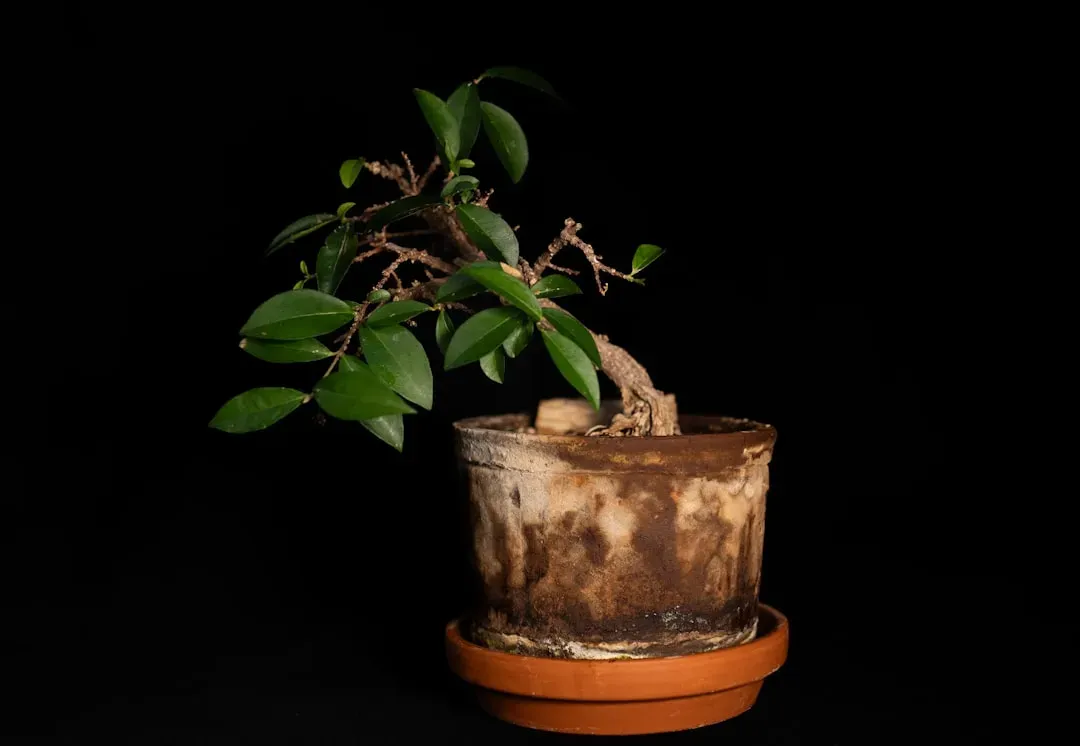
Ficus retusa, F. benjamina, and F. microcarpa (ginseng ficus) represent the most foolproof indoor bonsai options available. These tropical trees tolerate low humidity, irregular watering, aggressive pruning, and the inconsistent light conditions in most homes (Oregon State University Extension). Cut back any branch, and new shoots emerge within 2-3 weeks from spring through fall.
The thick, aerial roots that develop on mature ficus create dramatic nebari, visible surface roots, without specialized techniques. Your ficus will show clear signals when it needs water: leaves lose their rigidity and the top inch of soil feels completely dry. This forgiveness allows you to learn proper watering rhythm without killing your tree during the education process.
My first ficus survived being forgotten in a garage for two weeks, dropped during repotting, and pruned to bare stubs three times before I understood proper technique.
Chinese Elm: Adaptable for Indoor or Outdoor Growing
Ulmus parvifolia offers unique versatility, thriving either indoors year-round or outdoors in USDA zones 5-9. The fine branching structure develops quickly, showing you the results of pruning decisions within a single growing season. Chinese elm tolerates both beginner pruning mistakes and occasional watering lapses better than most deciduous species.
This semi-deciduous tree may drop leaves indoors during winter or maintain foliage with adequate light. Outdoors, it develops excellent fall color before dormancy. The rapid growth rate means you'll wire and prune multiple times per year, building skills through repetition rather than waiting years between styling sessions.
Juniper: The Classic Outdoor Beginner Bonsai
Juniperus procumbens and J. chinensis varieties represent the standard outdoor beginner species, tolerating poor soil, drought, full sun, and harsh pruning. These evergreen conifers backbud readily, producing new growth on old wood, allowing you to develop dense foliage pads over 2-3 years (USDA Forest Service).
The critical mistake beginners make: bringing junipers indoors. These trees require winter dormancy outdoors and die within months inside heated homes (Penn State Extension). If you lack outdoor space or live in an apartment, choose ficus instead. Junipers reward outdoor growers with extreme hardiness, surviving temperatures from -20°F to 100°F across zones 4-9.
Jade Plant: Ultra-Forgiving Succulent Bonsai
Crassula ovata offers the most forgiving option for beginners who travel frequently or forget watering schedules. This succulent stores water in thick leaves and trunk, tolerating 1-2 weeks of drought without damage (Clemson Cooperative Extension). The fleshy branches lignify over time, developing bark texture that mimics ancient trees.
Jade plants root from leaf cuttings and branch prunings, giving you multiple trees to practice techniques without fear of killing your only specimen. Growth occurs year-round indoors with adequate light. The main limitation: jade develops slowly compared to ficus or elm, requiring 3-5 years to achieve substantial trunk thickness.
Fukien Tea: Flowering Beginner Option
Carmona retusa provides year-round white blooms and small red fruits on an indoor-suitable tropical species. While slightly more demanding than ficus regarding consistent moisture, Fukien tea tolerates beginner pruning and develops fine branching naturally. The small leaves reduce in size with proper care, creating convincing proportions even on young trees.
This species requires bright indirect light and consistent watering, the soil should feel barely moist when you press your finger knuckle-deep. Fukien tea shows stress quickly through leaf drop, teaching you to read your tree's signals. Plan for daily attention during summer months when growth peaks.
Intermediate Bonsai Species (6 Trees for Developing Skills)
These species require understanding seasonal growth patterns and specific care timing. Move to intermediate trees after successfully maintaining a beginner species for at least one full growing season, learning to read foliage signals and establishing consistent care routines.
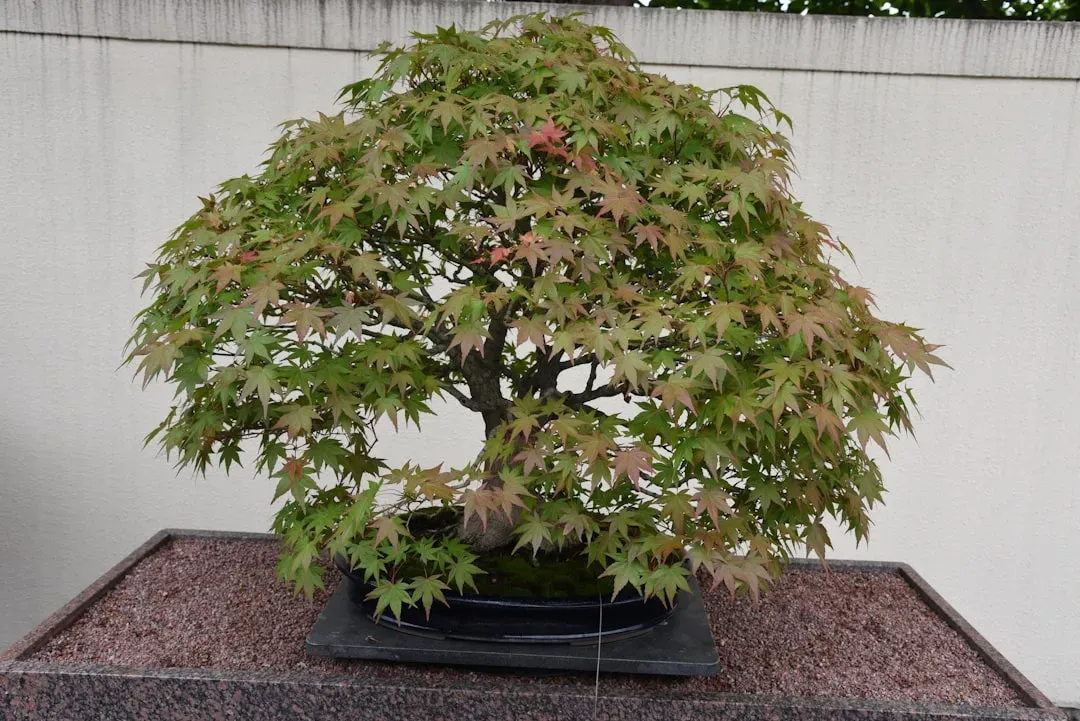
Japanese Maple: Beautiful but Demanding
Acer palmatum captivates with delicate leaves and stunning fall color, but the fine foliage burns easily in hot afternoon sun or drying winds (USDA Forest Service). This deciduous species requires partial shade in summer, protection from late spring frosts that damage emerging leaves, and careful attention to watering, the shallow root system dries quickly in small pots.
Pruning timing matters critically with Japanese maple. Major structural work happens during winter dormancy, while summer pruning controls vigor and maintains shape. The species bleeds sap heavily if pruned during spring bud break, weakening the tree. These specific requirements make Japanese maple unsuitable as a first bonsai despite its popularity in photographs and exhibitions.
Pine Bonsai: Understanding Seasonal Pruning Windows
Pinus thunbergii (Japanese black pine) and P. mugo (mugo pine) teach precise seasonal timing through unforgiving feedback. Candle-pinching occurs in late spring when new growth extends but needles haven't opened, miss this 2-week window and you wait until next year. Needle-plucking happens in fall to redirect energy and reduce needle length.
Pines require full sun, excellent drainage, and patience. The coarse growth pattern means mistakes in branch placement take 3-5 years to correct through new growth. However, pines reward proper technique with dense foliage pads and dramatic aged bark. Start with mugo pine for more forgiving growth habits before attempting Japanese black pine's advanced requirements.
Azalea: Water and pH Requirements
Rhododendron indicum and R. simsii produce spectacular spring blooms but demand acidic soil (pH 4.5-5.5) and consistent moisture (Clemson Cooperative Extension). The fine root system dries rapidly, requiring daily watering during summer and careful monitoring year-round. Azaleas tolerate aggressive pruning after flowering, sprouting readily from old wood.
Feed azaleas with acid-specific fertilizer to maintain proper soil chemistry. Alkaline water or regular fertilizer causes chlorosis, yellowing leaves from nutrient lockout. The species thrives outdoors in partial shade through zones 6-9, requiring winter protection below 20°F.
Bougainvillea: Tropical Vigor Management
Bougainvillea glabra grows explosively in warm conditions, producing colorful bracts year-round in frost-free climates. This tropical vine requires aggressive pruning every 2-3 weeks during active growth to maintain bonsai proportions. The species tolerates severe cutbacks and develops thick trunks relatively quickly compared to temperate trees. Bougainvillea demands full sun, excellent drainage, and protection from temperatures below 40°F.
Cotoneaster: Rewarding but Specific
Cotoneaster horizontalis develops naturally horizontal branching, small leaves, white spring flowers, and red fall berries. This deciduous species creates convincing bonsai proportions faster than many alternatives. However, cotoneaster requires full outdoor sun, excellent air circulation, and protection from fire blight, a bacterial disease encouraged by overhead watering and humidity. Hardy through zones 5-8, the fine branching structure rewards patient development over 3-5 years.
Pomegranate: Seasonal Complexity
Punica granatum produces orange flowers, miniature fruits, and interesting peeling bark on indoor or outdoor specimens (zones 8-11 outdoors). The deciduous nature means leaf drop in fall even indoors, requiring reduced watering during dormancy. Pomegranates demand full sun for flowering and fruiting, inadequate light produces only foliage growth. Remove most fruits on young trees to build structure, allowing flowering on mature specimens.
Advanced Bonsai Trees (4+ Species for Experienced Growers)
These species require years of accumulated experience and precise technique. Mistakes often cannot be corrected within a single growing season, and some techniques like grafting or specific pruning timing take multiple years to master through trial and observation.
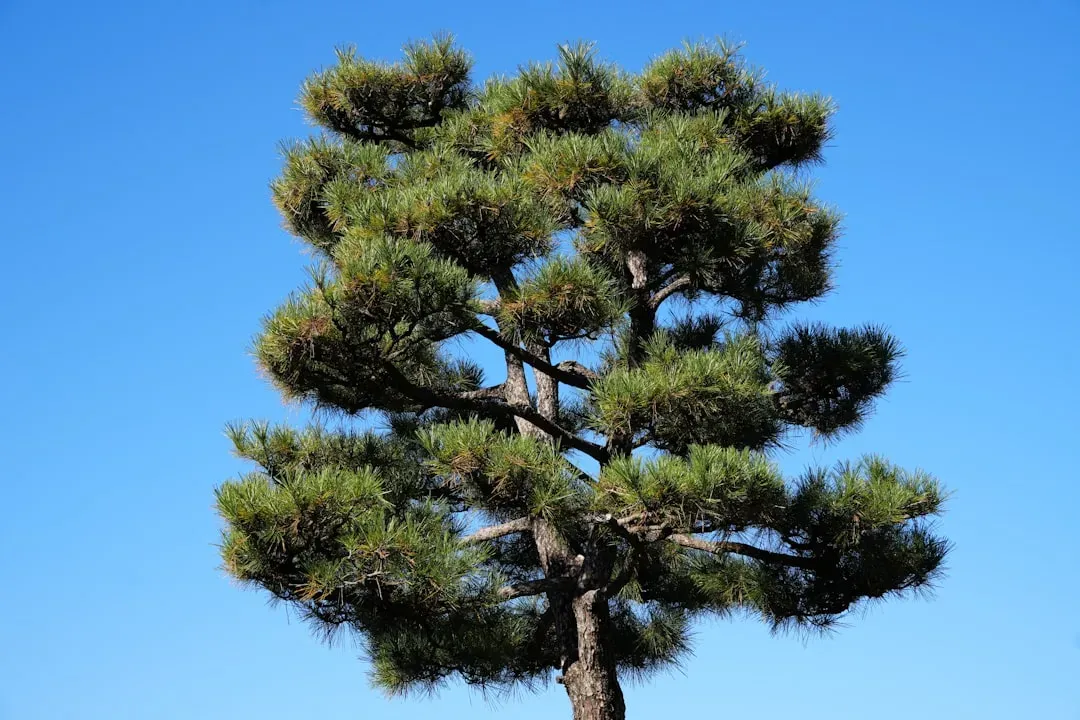
Japanese Black Pine: The Master's Challenge
Pinus thunbergii represents the pinnacle of bonsai cultivation, requiring decandling (removing all spring growth in early summer), precise needle-plucking timing, and understanding of how each technique affects the following year's development (Clemson Cooperative Extension). This species takes several years to train properly, with major styling decisions affecting tree health for decades.
Decandling forces a second flush of growth with shorter needles and tighter internodes, but the technique weakens trees if performed on insufficient root systems or poorly timed. Needle-plucking redirects energy to specific branches, but removing too many needles or pulling at wrong times causes branch dieback. Japanese black pine development spans decades, you're creating a tree your grandchildren might perfect.
The species demands full sun, perfect drainage, and outdoor cultivation through zones 6-9. To be fair, the dramatic aged bark, dense foliage pads, and powerful trunk movement justify the decades of patient work for those committed to mastering traditional bonsai techniques.
Flowering Fruit Trees: Timing and Patience Required
Prunus mume (Japanese apricot), P. serrulata (flowering cherry), and related species require specific chilling hours for bloom production, precise fertilization timing, and management of vigorous post-flowering growth. These deciduous trees bloom on previous year's wood, meaning pruning timing determines next spring's flower display. The trees need high-phosphorus fertilizer in fall to set flower buds, then nitrogen-rich feeding after bloom to support foliage development.
True Cedar Species: Long-Term Investment
Cedrus species (Atlas cedar, Deodar cedar) develop slowly, requiring 5-10 years to create convincing trunk thickness and branch structure. The needle-like foliage grows in clusters, and the species rarely backbuds on bare wood, branch placement decisions are essentially permanent. Cedars demand perfect drainage, full sun, and patience with minimal visible change year to year.
Wisteria: Specialized Flowering Vine
Wisteria floribunda creates dramatic cascading flower displays but requires specific techniques to induce blooming on bonsai. The vigorous vine growth needs constant management, and the species often refuses to flower without root restriction, specific fertilization, and mature wood development taking 7-10 years. Wisteria demands full sun, aggressive summer pruning to control vigor, and winter pruning to shape the structure while preserving flower buds.
Choosing the Right Bonsai Species for Your Situation
Your growing conditions eliminate more species choices than your skill level does. Start by assessing three non-negotiable factors: available space (indoor versus outdoor), climate zone, and daily time commitment. These constraints narrow your viable options before considering aesthetic preferences or difficulty level.
Climate Zone Compatibility for Popular Bonsai Species
| Species | Climate Type | Winter Requirements | USDA Hardiness Zones | Indoor/Outdoor |
|---|---|---|---|---|
| Ficus (Retusa, Benjamina, Microcarpa) | Tropical | Stable 60-75°F year-round | 10-12 | Indoor preferred |
| Chinese Elm | Subtropical | Tolerates cool winters | 9-11 | Indoor or Outdoor |
| Juniper | Temperate | Winter dormancy below 40°F | 4-9 | Outdoor only |
| Japanese Maple | Temperate | Winter dormancy below 40°F | 5-8 | Outdoor only |
| Japanese Black Pine | Temperate | Winter dormancy below 40°F | 4-7 | Outdoor only |
| Bougainvillea | Tropical/Subtropical | Warm winters 50°F+ | 9-11 | Outdoor in warm zones |
Indoor growers face limited species selection, primarily ficus, jade, Fukien tea, and Chinese elm. If you lack outdoor space with appropriate sun exposure and seasonal temperature variation, accept this limitation rather than attempting outdoor species indoors. Outdoor growers match species to USDA hardiness zones, selecting trees that tolerate local winter minimums and summer maximums without protection.
Time availability determines appropriate species more than experience level does. Ficus and jade tolerate 2-3 days between waterings, suiting busy schedules or frequent travelers. Japanese maple and azalea require daily summer attention. Pines and flowering fruit trees demand specific seasonal work windows, miss them and you've lost a year of development.
Climate Zone Matching for Outdoor Species
Check your USDA hardiness zone before selecting any outdoor species. Junipers thrive zones 4-9, Japanese maples suit zones 5-8, and bougainvillea requires zones 9-11 or indoor winter protection. Attempting species outside their tolerance range means constant struggle against environmental stress rather than learning cultivation techniques. Consider summer heat alongside winter cold, Japanese maples suffer in zones 8-9 without afternoon shade and consistent moisture.
Evaluating Your Available Care Time
Honestly assess your daily schedule before selecting species. Beginner-friendly ficus tolerates irregular attention, while intermediate azaleas die if watering lapses during summer. Advanced pines require specific seasonal work that cannot be postponed, if you travel during critical windows, choose different species.
Look, physical considerations matter too: fine wiring requires good close vision and hand dexterity. Heavy root work demands grip strength. Choose species and pot sizes matching your physical capabilities, smaller trees in lighter pots reduce strain without compromising the art.
Getting Started with Your Chosen Bonsai Species
Purchase your first bonsai from specialized nurseries rather than big-box stores. Dedicated bonsai retailers provide species-appropriate soil, accurate care information, and healthy specimens already in training. The higher initial cost pays for itself through reduced mortality and proper guidance.
Start with nursery stock in training pots rather than finished exhibition trees. Young material allows you to make mistakes and learn techniques without destroying valuable specimens. Plan for 3-5 years developing your first tree before attempting advanced species or expensive material.
"Your first bonsai should teach you to keep a tree alive and healthy. Your second teaches you to shape it. Your tenth teaches you actual bonsai." - American Bonsai Society
Invest in species-specific soil, proper tools, and ongoing education through local clubs or online communities. The techniques matter more than the species, master consistent watering, proper pruning timing, and seasonal care on forgiving species before moving to demanding ones. Your skills develop through years of observation and adjustment, not through reading alone.
Select species matching your constraints, commit to consistent care, and accept that bonsai development measures in years rather than weeks. The patient cultivation of these miniature trees teaches observation, timing, and respect for natural growth patterns, skills that transfer across all species once you've truly learned them.
Related Articles
- Complete Guide to Bonsai Trees: Care, Types & Growing Tips
- Bonsai Tree Care: Complete Maintenance Guide for Beginners
- Indoor Bonsai Trees: Best Species & Care Requirements
- Japanese Maple Bonsai: Care Guide & Styling Tips
- Bonsai Trees for Sale: Where to Buy & What to Look For
- Bonsai Tree Wiring: Techniques for Shaping & Training
Frequently Asked Questions
Can I grow a Japanese black pine bonsai indoors in my apartment?
No, Japanese black pine requires outdoor growing with winter dormancy below 40°F for three months and cannot survive indoors despite your best efforts. If you live in an apartment without outdoor space, choose tropical species like ficus or Chinese elm that tolerate stable indoor temperatures year-round.
What's the most important factor when choosing a beginner bonsai species?
Watering tolerance is the top priority for beginners, as inconsistent watering kills more first bonsai than any other mistake. Look for species that survive 2-3 days of dry soil, such as ficus, jade plant, or Chinese elm, which give you room to develop observation skills without killing your tree.
How do I know if my climate zone can support the bonsai species I want?
Check your USDA hardiness zone before selecting any species. Temperate species like Japanese maple need outdoor winters below 40°F, while tropical species die in cold climates. Climate compatibility eliminates more species choices than skill level does, so verify this first to avoid years of frustration.
What's the difference between beginner and intermediate bonsai species?
Beginner species tolerate irregular watering and pruning mistakes, recovering quickly and providing visible feedback within weeks. Intermediate trees require consistent moisture, understanding of seasonal growth patterns, and specific pruning windows—mistakes take longer to recover from but don't set back development by entire seasons.
Can I keep an outdoor bonsai species like juniper indoors with grow lights?
While grow lights help, outdoor temperate species like juniper fundamentally need winter dormancy with cold temperatures below 40°F for three months to survive long-term. This biological requirement cannot be fully replicated indoors, so these species are best grown outdoors in appropriate climate zones.
Which beginner bonsai species is best for flowering?
Fukien tea is the best beginner-friendly flowering option, as it tolerates the care mistakes common to newcomers while producing attractive blooms. It combines the forgiveness of beginner species with the aesthetic reward of flowering trees.
How much time do I need to spend caring for an intermediate bonsai species?
Intermediate species require consistent care routines and understanding of seasonal timing, though the article doesn't specify exact daily time commitments. The key difference from beginner species is that they demand reliable, scheduled care rather than tolerance for irregular watering and pruning.