Bonsai Workshops Near Me: Classes, Events & Training
Bonsai workshops provide hands-on instruction where you learn fundamental techniques while working on actual trees under experienced guidance. Most beginner workshops run 2-6 hours, cost between $50-150, and let you take home your first styled tree with care instructions. You'll find these classes through regional bonsai societies, local nurseries with bonsai programs, botanical gardens, and specialized bonsai studios, each offering different formats from single-day introductions to multi-session training programs that build skills progressively over months.
Table of Contents
- Types of Bonsai Workshops: Finding Your Perfect Match
- One-Day Beginner Workshops
- Social Bonsai Events and Demonstrations
- Multi-Session Training Programs
- How to Find Quality Bonsai Instruction in Your Area
- Start with Regional Bonsai Societies and Clubs
- Evaluating Workshop Quality and Instructor Credentials
- Online and Virtual Workshop Alternatives
- What to Expect at Your First Bonsai Workshop
- Materials, Tools, and What's Included
- The Workshop Experience: From Introduction to Take-Home
- Preparing Yourself for Success
- Continuing Your Bonsai Education After the Workshop
- Joining Bonsai Communities for Ongoing Support
- Building Your Skills Between Classes
- When to Progress to Advanced Training
Types of Bonsai Workshops: Finding Your Perfect Match
The workshop format you choose should match your current commitment level and learning goals. A beginner exploring whether bonsai suits them needs different instruction than someone ready to invest in serious technique development. Understanding what each format delivers helps you spend your time and money wisely.
Bonsai Workshop Types Comparison
| Workshop Type | Duration | Cost | Hands-On Practice | Best For | Commitment Level |
|---|---|---|---|---|---|
| One-Day Beginner Workshops | 2-6 hours | $50-150 | Yes - create one tree | Testing interest in bonsai | Low |
| Social Events & Demonstrations | 2-3 hours | $10-30 or free | No - observation only | Learning techniques and meeting mentors | Low |
| Multi-Session Training Programs | 4-12 weeks | $200-600 | Yes - multiple trees | Building progressive skills | Medium |
| Apprenticeships with Artists | Months to years | $100-300 per session | Yes - personalized work | Refining advanced technique | High |
One-Day Beginner Workshops
These introductory sessions walk you through creating your first bonsai from start to finish in a single sitting. You'll typically spend 2-6 hours learning basic principles, watching demonstrations of pruning and wiring techniques, then working on your own pre-bonsai material with instructor guidance. Most workshops provide everything, the tree, pot, soil, wire, and use of tools, with costs ranging from $50-150 depending on tree species and pot quality.
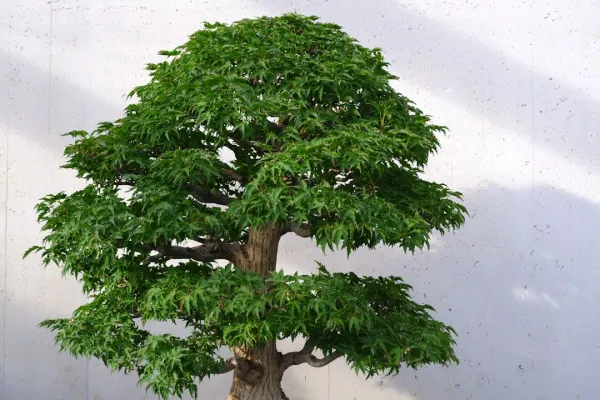
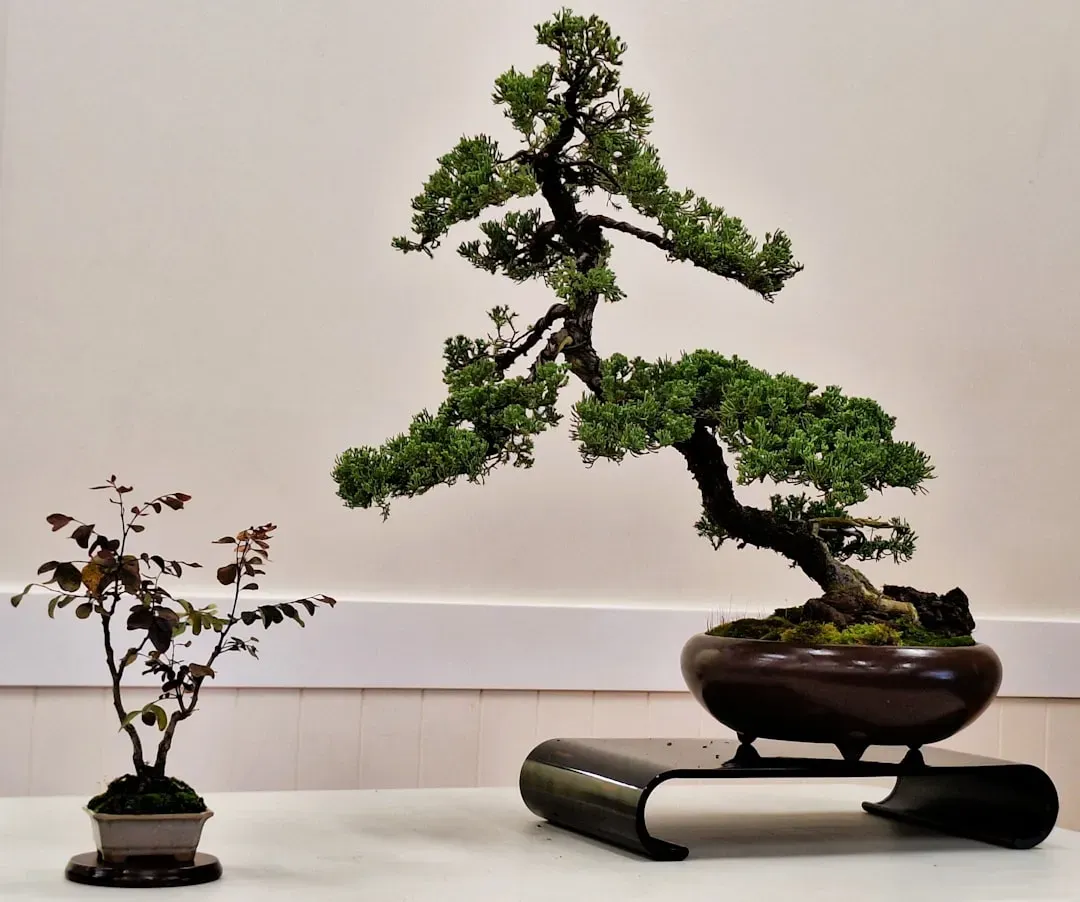
You take home a styled tree in its training pot along with written care instructions specific to your species. Well, the tree won't look like those museum specimens yet, but you'll understand the design principles that guide future development. These workshops work best for testing your interest before investing in tools and multiple trees. I still remember the nervous excitement of my first Saturday workshop at a local nursery—walking in knowing absolutely nothing about bonsai and walking out three hours later with a small juniper I'd wired and styled myself. The instructor, a patient woman named Linda, guided my shaky hands as I made that first decisive cut on a branch, and I was shocked by how the tree's character suddenly emerged. That little juniper cost me $75, lived on my kitchen windowsill for two years, and gave me enough confidence to sign up for a monthly study group the following spring.
Social Bonsai Events and Demonstrations
Events like Bonsai & Brews or club demonstration nights prioritize community and observation over hands-on work. You'll watch experienced practitioners style trees while explaining their decisions, often in casual settings like breweries or garden centers. These gatherings typically cost $10-30 or come free with club membership.
The value lies in seeing techniques applied to mature material and asking questions in real-time. You won't create a tree yourself, but you'll absorb design principles and problem-solving approaches that books can't convey as effectively. Club open houses let you examine members' trees up close and connect with potential mentors in your area (According to Bonsai Empire).
Multi-Session Training Programs
Structured series classes meet regularly over 4-12 weeks, building skills progressively from basic care through advanced styling techniques. These programs cost $200-600 and require consistent attendance since each session builds on previous lessons. You'll work on multiple trees throughout the course, often bringing your own material for critique and guidance.
Apprenticeship-style learning with established artists represents the highest commitment level, involving regular one-on-one sessions over months or years. Investment runs $100-300 per session, but you gain personalized instruction tailored to your specific trees and goals. This format suits practitioners who've mastered basics and want to refine their artistic vision under mentorship.
How to Find Quality Bonsai Instruction in Your Area
Locating reputable workshops requires more than a quick internet search. The bonsai community operates through established networks that prioritize quality instruction over commercial visibility. Starting with vetted organizations saves you from disappointing experiences with under-qualified instructors.
Start with Regional Bonsai Societies and Clubs
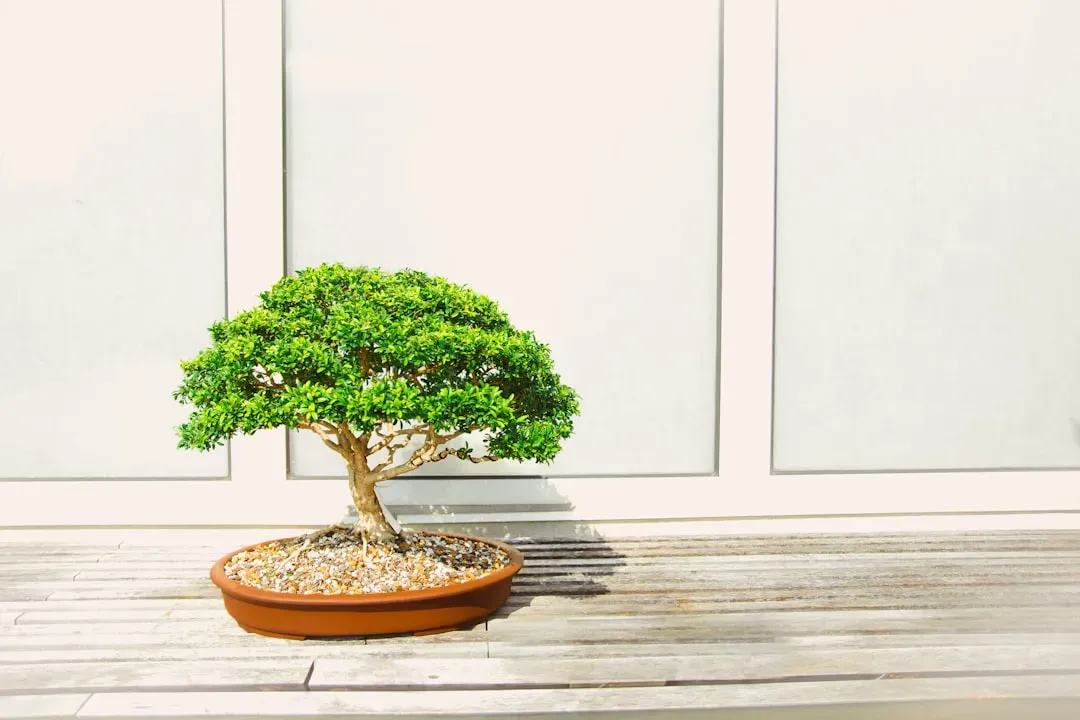
Your regional or state bonsai society maintains directories of qualified instructors and hosts member workshops throughout the year. These organizations vet their teachers and typically offer classes at below-market rates since education serves the community rather than profit. Search for "[Your State] Bonsai Society" or check the National Bonsai Foundation's resources to find your nearest group.
Monthly club meetings include demonstrations by experienced members and visiting artists, often free for attendees. Membership dues run $25-75 annually and grant access to workshops, critique sessions, and connections with practitioners who can recommend private instruction. The community knowledge within established societies exceeds what any single workshop can provide (According to Bonsai Empire).
Evaluating Workshop Quality and Instructor Credentials
Before registering, ask specific questions about the instructor's background: How many years have they practiced bonsai? Did they study under recognized artists? What species will you work with, and does the instructor specialize in those trees? Class size matters significantly, groups over 12 students rarely allow adequate individual attention during hands-on work.
Clarify what materials are included versus what you must purchase separately. Quality workshops provide appropriate pre-bonsai material, not garden center impulse buys in decorative pots. Ask whether follow-up support is available, can you email questions during the critical first month? Honestly, instructors who disappear after class often lack the depth of knowledge to guide students through inevitable challenges.
Online and Virtual Workshop Alternatives
Live virtual workshops with established artists offer legitimate alternatives when local options prove limited. Look, reputable instructors use video effectively to demonstrate techniques while answering questions in real-time. You'll need to source your own materials, but instruction quality often exceeds what's available locally in areas without active bonsai communities.
Pre-recorded courses work as supplements to hands-on learning but can't replace the immediate feedback that corrects mistakes before they become habits. Seek programs that include community forums or scheduled Q&A sessions rather than just video content. "Online bonsai instruction has matured significantly, with skilled teachers now able to effectively demonstrate techniques through close-up camera work and real-time interaction," says Ryan Neil, professional bonsai artist and founder of Bonsai Mirai, who has pioneered comprehensive online bonsai education programs reaching students across multiple continents.
What to Expect at Your First Bonsai Workshop
Walking into your first workshop with realistic expectations reduces anxiety and helps you absorb information more effectively. The goal isn't creating a masterpiece in three hours, it's understanding principles you'll apply to trees for years ahead.
Materials, Tools, and What's Included
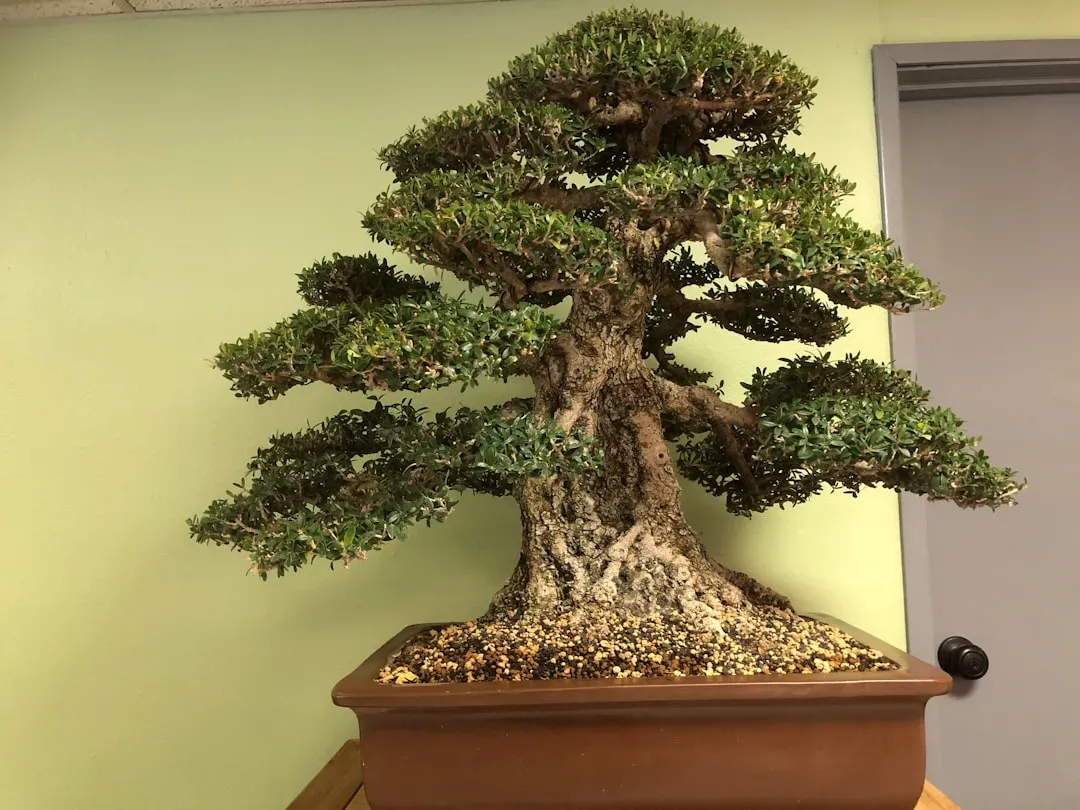
Most beginner workshops provide your tree, training pot, appropriate soil mix, wire in necessary gauges, and use of basic tools like shears and concave cutters. You'll typically work with hardy species like juniper, ficus, or Chinese elm that tolerate beginner mistakes. Confirm what's included when registering, as some programs expect you to purchase materials separately.
Bring practical items that workshops rarely provide: an apron or old shirt (soil and wire are messy), reading glasses if you need them for detail work, a water bottle, and a notebook for care instructions. A smartphone for photos helps you remember styling decisions and document your tree's starting point.
The Workshop Experience: From Introduction to Take-Home
Expect to spend the first 30-45 minutes on principles: bonsai aesthetics, how trees grow, basic design guidelines. The instructor demonstrates techniques on sample material, explaining each decision. Then you begin hands-on work with your tree, receiving individual guidance as you prune, wire, and position branches.
This guidance phase consumes most of the workshop time. You'll make mistakes, wiring backwards, pruning too aggressively, or struggling with wire tension. These errors are part of learning, and attentive instructors correct them gently. The session concludes with care instructions specific to your species and climate, plus guidance on when to remove wire and perform the next styling session.
Preparing Yourself for Success
Arrive 10 minutes early to settle in and review any provided materials. Don't expect perfection from your first tree, bonsai development happens over years, not hours.
Take photos of your tree from multiple angles after styling, and photograph any demonstration trees the instructor works on. These images serve as references when you're home wondering whether you understood the pruning explanation correctly. Most importantly, understand that your tree requires ongoing care, workshops teach you how to begin, not how to finish.
Continuing Your Bonsai Education After the Workshop
The weeks following your first workshop determine whether bonsai becomes a sustained practice or a forgotten houseplant. Enthusiasm runs high initially, but ongoing guidance prevents the common mistakes that kill beginner trees and discourage new practitioners.
What's Included in Beginner Workshop Packages
| Item | Typically Included | Notes |
|---|---|---|
| Tree/Pre-bonsai material | Yes | Usually pre-selected for beginners |
| Training pot | Yes | Quality varies by workshop cost |
| Soil | Yes | Appropriate mix for your tree species |
| Wire and tools | Yes | Use during class; may take home basic supplies |
| Care instructions | Yes | Written guide specific to your tree species |
| Take-home tree | Yes | Your styled creation to continue developing |
| Personal tools to keep | Sometimes | Depends on workshop package level |
Joining Bonsai Communities for Ongoing Support
Society membership provides the structure that transforms workshop excitement into consistent practice. Monthly meetings expose you to different species and techniques while critique sessions let experienced members evaluate your trees and suggest improvements. Many clubs maintain lending libraries of specialized books and tools that would cost hundreds to acquire individually.
The social connections matter as much as formal instruction. Fellow members remember their own beginner struggles and offer practical advice for problems you'll encounter. Tree libraries let you practice techniques on club-owned material before risking your personal trees (According to Bonsai Empire). Annual dues represent minimal investment for this level of ongoing education and community support.
Building Your Skills Between Classes
Establish a daily observation routine where you check your tree's soil moisture, examine foliage for changes, and note seasonal growth patterns. This attention trains your eye to recognize problems early. Keep a care calendar noting when you water, fertilize, and perform maintenance, patterns emerge that guide future decisions.
Supplement hands-on practice with trusted resources like Bonsai Empire's species guides and established YouTube channels from recognized artists. Plan to attend workshops or seek instruction 2-3 times during your first year as seasonal needs change. Books teach principles, but they can't tell you whether your specific juniper needs water today or whether that branch should be removed now or next spring.
When to Progress to Advanced Training
You're ready for species-specific or technique-focused workshops when you've kept your first tree alive through a full growing season and understand its basic care requirements. Signs of readiness include asking questions about specific styling decisions rather than general care, recognizing design flaws in your trees, and feeling confident with fundamental techniques like pruning and wiring.
Advanced intensives focusing on specific skills, deadwood carving, root-over-rock styling, or refinement of mature trees, make sense after 2-3 years of consistent practice. These workshops assume foundational knowledge and move quickly through complex techniques. Research on skill acquisition in horticultural practices suggests that deliberate practice with expert feedback accelerates competency development significantly. A 2019 study published in the Journal of Horticultural Education found that learners who combined independent practice with quarterly expert instruction achieved proficiency benchmarks 60% faster than those relying solely on self-study materials. The American Bonsai Society reports that practitioners who attend at least two workshops annually during their first three years show substantially higher retention rates in the hobby, with 78% still actively cultivating trees after five years compared to just 34% of purely self-taught beginners. This data reinforces what experienced practitioners observe: consistent guidance during critical learning phases builds both technical skills and the confidence needed to navigate inevitable setbacks. The investment proves worthwhile when you've developed trees that warrant advanced styling rather than basic development work.
Related Articles
- Complete Guide to Bonsai Trees: Care, Types & Growing Tips
- Bonsai Tree Care: Complete Maintenance Guide for Beginners
- Bonsai Tree Types: 15+ Species for Every Skill Level
- Bonsai Tree Wiring: Techniques for Shaping & Training
- Bonsai Trees for Sale: Where to Buy & What to Look For
- Bonsai Tree Care: Expert Guide to Watering, Pruning & Maintenance
Frequently Asked Questions
How much does a typical bonsai workshop cost and what's included?
Most beginner workshops cost $50-150 for 2-6 hours of instruction. The price typically includes the tree, pot, soil, wire, tool use, and written care instructions specific to your tree species. You take home your styled tree the same day, making it an all-inclusive introduction to bonsai.
Where can I find bonsai workshops in my area?
Search for workshops through regional bonsai societies and clubs, local nurseries with bonsai programs, botanical gardens, and specialized bonsai studios. Regional bonsai societies are an excellent starting point as they often host beginner-friendly events and can recommend quality instructors near you.
What's the difference between a one-day workshop and a multi-session training program?
One-day workshops (2-6 hours, $50-150) are ideal for testing your interest and creating one tree. Multi-session programs (4-12 weeks, $200-600) build skills progressively over time, allowing you to practice on multiple trees and develop deeper technique. Choose based on your commitment level and learning goals.
Do I need to bring any tools or materials to my first workshop?
No, most beginner workshops provide everything you need—the tree, pot, soil, wire, and tools. Check with your specific workshop organizer beforehand, but full material inclusion is standard for introductory classes so beginners don't need prior purchases.
What should I expect to take home from my first bonsai workshop?
You'll take home a styled tree in its training pot along with written care instructions specific to your tree species. While your first tree won't look like museum specimens, you'll understand the design principles that guide its future development and have hands-on experience with basic techniques.
Are there bonsai workshops available online or virtually?
Yes, virtual workshop alternatives are available for those unable to attend in-person classes. These online options allow you to learn techniques and connect with instructors remotely, though they typically lack the hands-on practice experience of in-person workshops.
What if I just want to observe and learn without creating my own tree?
Social bonsai events and demonstrations are perfect for this. These gatherings (typically $10-30 or free with club membership) let you watch experienced practitioners style trees, ask questions, and absorb design principles without the hands-on commitment of a full workshop.
How do I know if a bonsai instructor is qualified and experienced?
Evaluate instructor credentials by checking their affiliation with regional bonsai societies, asking about their experience level, and reviewing workshop reviews when available. Regional bonsai societies can recommend quality instructors, and club open houses let you examine members' trees to assess skill quality firsthand.