Bonsai Trees Near Me: Finding Local Nurseries & Shops
Finding bonsai trees near you starts with local nurseries, specialty shops, and garden centers that carry quality specimens suited to your climate. Shopping locally lets you inspect trees in person, receive immediate expert guidance, and avoid shipping stress that can damage delicate specimens. Within your area, dedicated bonsai nurseries offer the best selection and expertise, while botanical gardens, Japanese garden centers, and even established plant nurseries often maintain bonsai sections worth exploring.
Table of Contents
- Why Shopping Local Matters for Your Bonsai Journey
- The Advantages of In-Person Tree Selection
- Building Relationships With Local Experts
- How to Find Bonsai Nurseries and Specialty Shops Near You
- Online Search Strategies That Actually Work
- Tapping Into the Bonsai Community
- Alternative Local Sources Beyond Dedicated Nurseries
- Evaluating a Local Nursery Before You Buy
- Questions to Ask Staff Before Purchasing
- Physical Signs of a Quality Bonsai Source
- What to Look for When Selecting Your Tree
- Assessing Tree Health and Potential
- Matching Species to Your Lifestyle and Environment
- Making the Most of Your Local Nursery Relationship
Why Shopping Local Matters for Your Bonsai Journey
Your first bonsai purchase shapes your entire experience with this practice. Local shopping eliminates the guesswork that online photos create and connects you with people who understand your specific growing conditions. You'll handle the actual tree you're considering, not hope that shipped specimens match their digital representations.
The tactile aspect matters more than many beginners realize. You need to feel branch flexibility, examine the trunk's movement from multiple angles, and assess the weight of the pot to understand soil moisture levels. These sensory evaluations become second nature over time, but they start with hands-on experience that local shopping provides from day one.
The Advantages of In-Person Tree Selection
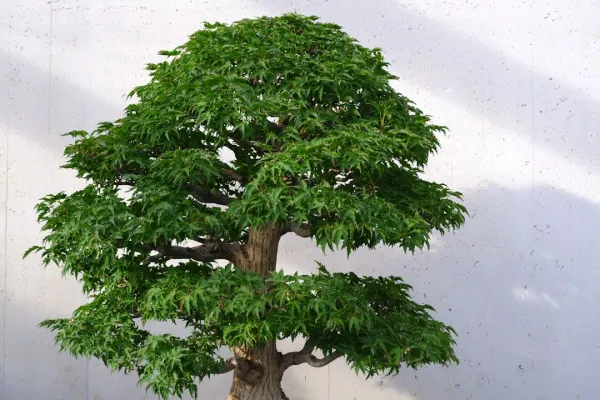
When you examine a bonsai in person, you can spot details that determine whether a tree thrives or struggles in your care. The nebari, visible surface roots that radiate from the trunk base, shows clearly under direct observation but often appears obscured or enhanced in photographs. You can check for proper trunk taper, where the base appears noticeably wider than the apex, creating that sense of age and stability (North Carolina State Extension).
Branch flexibility tells you about the tree's health and your styling options. Gently bend a small branch to feel whether it moves with supple resistance or shows brittleness that suggests stress or disease. Look for foliage that displays deep green color with slight shine, leaves of normal size for the species, and absence of brown edges or yellowing (USDA Forest Service).
The root system deserves careful inspection, even though you can only see what's visible at the soil surface. Roots should appear firm with active white or light-colored tips showing recent growth, check for circling roots that might girdle the trunk over time, and verify the soil feels barely moist when you press your finger knuckle-deep, not waterlogged or completely dry.
Building Relationships With Local Experts
A knowledgeable local nursery owner becomes your most valuable resource as you develop your skills. They understand your region's climate patterns, know which species handle your winter temperatures, and can recommend watering schedules based on local humidity levels. This expertise matters because bonsai care advice from other climates often fails when applied to your specific conditions (Penn State Extension).
You'll return to this source with questions as seasons change and your tree's needs shift. The person who sold you a Japanese maple can explain why its leaves show stress during your area's typical August heat, or guide you through winter protection methods that work in your hardiness zone. Well, this ongoing relationship reduces the anxiety that new practitioners often feel when their tree behaves unexpectedly.
Local bonsai communities form around these nurseries and specialty shops. You'll meet other practitioners at your skill level, learn about workshops and exhibitions in your area, and gain access to the informal knowledge that experienced growers share freely.
How to Find Bonsai Nurseries and Specialty Shops Near You
Your search for local bonsai sources requires multiple strategies because many excellent nurseries maintain minimal online presence. Start with obvious approaches but don't stop there, as the best sources often appear through community connections rather than commercial advertising.
Comparison of Local Bonsai Shopping Sources
| Source Type | Selection Range | Expert Guidance | Inspection Ability | Best For |
|---|---|---|---|---|
| Dedicated Bonsai Nurseries | Extensive | Specialized expertise | Full hands-on evaluation | Serious practitioners seeking rare species |
| Botanical Gardens | Moderate | High knowledge | Limited (display only) | Learning and inspiration |
| Japanese Garden Centers | Good | Strong cultural knowledge | Full evaluation | Traditional species and styling |
| General Plant Nurseries | Limited | Basic guidance | Full evaluation | Beginner-friendly common species |
| Garden Centers | Small | Minimal bonsai focus | Full evaluation | Casual hobbyists, convenience |
Online Search Strategies That Actually Work
Google Maps provides your most direct search tool when you enter "bonsai nursery" along with your city name. Expand your search radius to 50 miles for rural areas, as specialized nurseries draw customers from wider regions than general garden centers. Read reviews carefully, looking for comments about staff knowledge, tree quality, and whether the business focuses on bonsai specifically or carries them as a sideline.
Try alternative search terms that reveal hidden sources: "Japanese garden center," "specialty plant nursery," "dwarf tree nursery," or "miniature tree specialist." Some excellent bonsai growers list themselves under broader categories because they also sell Japanese maples, conifers, or other ornamental plants. Yelp and Yellow Pages sometimes show businesses that haven't claimed their Google listings.
Regional horticultural societies often maintain directories of specialty nurseries. Search for your state's nursery association or native plant society, then browse their member lists for businesses mentioning bonsai, container plants, or Japanese gardens.
Tapping Into the Bonsai Community
Local bonsai clubs represent your best source for finding smaller nurseries and individual growers who don't advertise publicly. The UC Agriculture and Natural Resources program specifically recommends these clubs as "excellent sources of information about bonsai cultivation and sources of plants and supplies." Search Facebook for groups named "[Your State] Bonsai" or "[Your City] Bonsai Society."
Members of these groups freely share recommendations for nurseries they trust, warn about sources that disappointed them, and often know about upcoming plant sales where you can purchase quality material directly from experienced practitioners. Many clubs maintain websites listing local resources, though some require membership to access these directories.
Online forums like BonsaiNut or regional Reddit gardening communities can point you toward sources in your area. Post your location and ask for recommendations, honestly. Experienced growers remember their own searches for reliable sources and typically respond with detailed suggestions including what to expect from each nursery they mention.
Alternative Local Sources Beyond Dedicated Nurseries
Large garden centers occasionally maintain bonsai sections with knowledgeable staff who can guide beginners through initial purchases. Botanical gardens with gift shops sometimes sell starter bonsai or can direct you to local specialists who supply their displays.
Big box stores like Lowe's and Home Depot carry mass-produced bonsai, typically ficus or juniper varieties that tolerate the indoor conditions and irregular care these environments provide. Expect lower prices but also lower quality compared to specialty sources, and understand that staff likely can't answer species-specific questions. These trees can serve as practice material if you're uncertain about committing to the hobby.
Evaluating a Local Nursery Before You Buy
Not all businesses selling bonsai understand proper care or stock healthy specimens. Before you invest money and emotional energy into a tree, assess whether the nursery demonstrates real expertise or simply resells whatever their supplier ships.
Questions to Ask Staff Before Purchasing
Start by asking how long the tree has been at the nursery and where it was grown. Quality sources know their trees' histories and can tell you whether a specimen was field-grown locally, imported from a specialty grower, or mass-produced overseas. This information helps you understand the tree's acclimation status and future care needs.
Request specific care instructions for the exact species you're considering. A knowledgeable seller will explain watering frequency based on your local climate, fertilizing schedules appropriate to the growing season, and whether the tree requires winter protection in your hardiness zone. Vague answers like "water when dry" or "keep it in bright light" suggest limited expertise (Penn State Extension).
Ask about the tree's age or how long it's been in training. While age doesn't always correlate with quality, understanding whether you're buying a three-year-old starter or a fifteen-year-old developed specimen helps you set realistic expectations.
Inquire about return policies or health guarantees. Reputable nurseries stand behind their stock and offer reasonable accommodation if a tree shows hidden problems within the first few weeks.
Physical Signs of a Quality Bonsai Source
The nursery environment itself reveals care standards before you examine individual trees. Well-maintained bonsai display areas show appropriate light levels for the species present, with shade cloth protecting delicate species and full sun reaching those that need it. Trees should sit on benches at comfortable viewing height, not crowded on the ground where they receive poor air circulation.
Check whether outdoor trees actually live outdoors and indoor species stay protected from temperature extremes. Seeing tropical ficus next to temperate junipers in the same greenhouse suggests the nursery doesn't understand species-specific requirements.
Soil quality across multiple trees tells you about care consistency. Well-maintained bonsai show proper soil moisture, not waterlogged, not dust-dry, with quality bonsai soil mix visible at the surface rather than dense potting soil or pure peat. Trees should appear recently groomed, without extensive weed growth in pots or dead foliage accumulating on soil surfaces.
What to Look for When Selecting Your Tree
Once you've found a reliable source, choosing your specific tree requires systematic evaluation of health indicators and honest assessment of what you can maintain successfully.
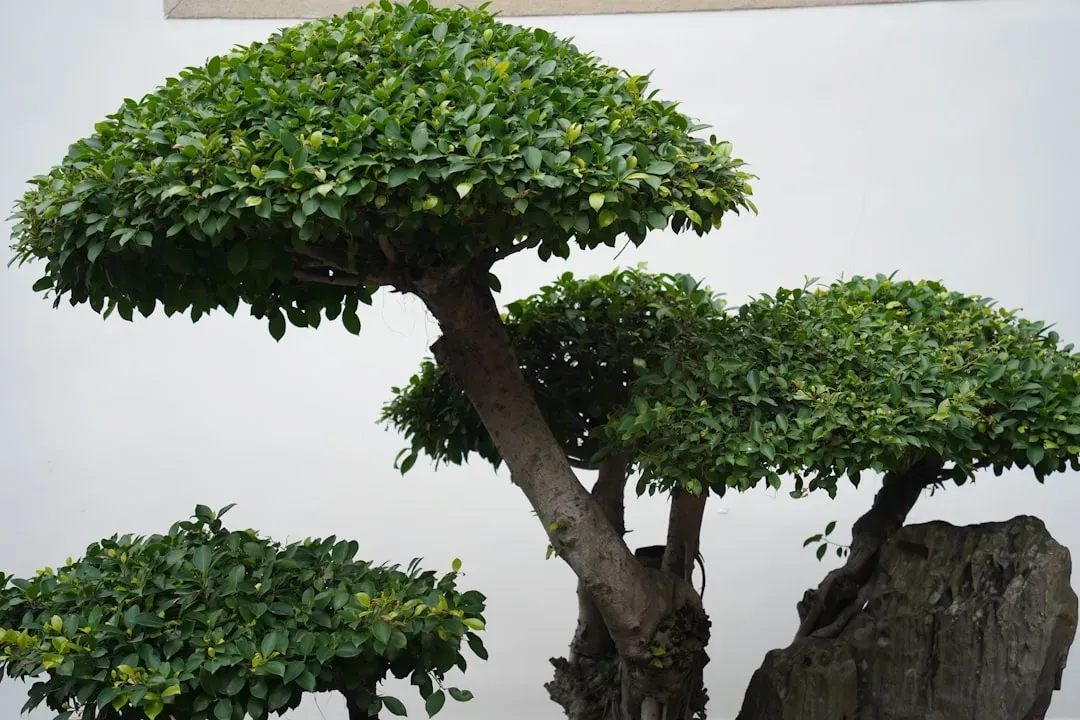
What to Assess When Inspecting a Bonsai Tree In-Person
| Assessment Area | What to Look For | Indicates Health | Red Flags |
|---|---|---|---|
| Foliage Color & Condition | Deep green with slight shine, normal leaf size | Healthy photosynthesis and vigor | Brown edges, yellowing, oversized leaves |
| Branch Flexibility | Supple resistance when gently bent | Good health and styling potential | Brittleness or rigidity suggesting stress |
| Trunk Structure | Noticeable taper (wider base than apex) | Age appearance and stability | Uniform thickness or reverse taper |
| Nebari (Surface Roots) | Roots radiating from trunk base | Strong foundational structure | Roots circling trunk or absent |
| Root System | Firm roots with white/light-colored active tips | Recent growth and vitality | Circling roots, waterlogged soil, completely dry soil |
| Soil Moisture | Barely moist at knuckle depth | Proper nursery care practices | Waterlogged or bone dry |
Assessing Tree Health and Potential
Begin your inspection with the foliage, which shows current health most obviously. Leaves should display vibrant color appropriate to the species and season, with healthy specimens showing "full crowns with leaves of normal size and color for the season" (USDA Forest Service). Avoid trees with brown leaf edges, yellowing between veins, or premature leaf drop that suggests stress or disease.
Examine branches for flexibility and proper attachment to the trunk. Gently flex a small branch to verify it bends smoothly without cracking sounds or brittle snapping. Check branch junctions where they meet the trunk, looking for clean unions without included bark or swelling that might indicate weak attachment points prone to future failure.
The trunk should show good taper from base to apex, creating visual interest and suggesting age even in younger specimens. According to North Carolina State Extension, "The base of the trunk should be wider than the top, creating a sense of stability and age." Run your hand along the bark to feel its texture and verify firmness, soft spots might indicate rot or pest damage beneath the surface.
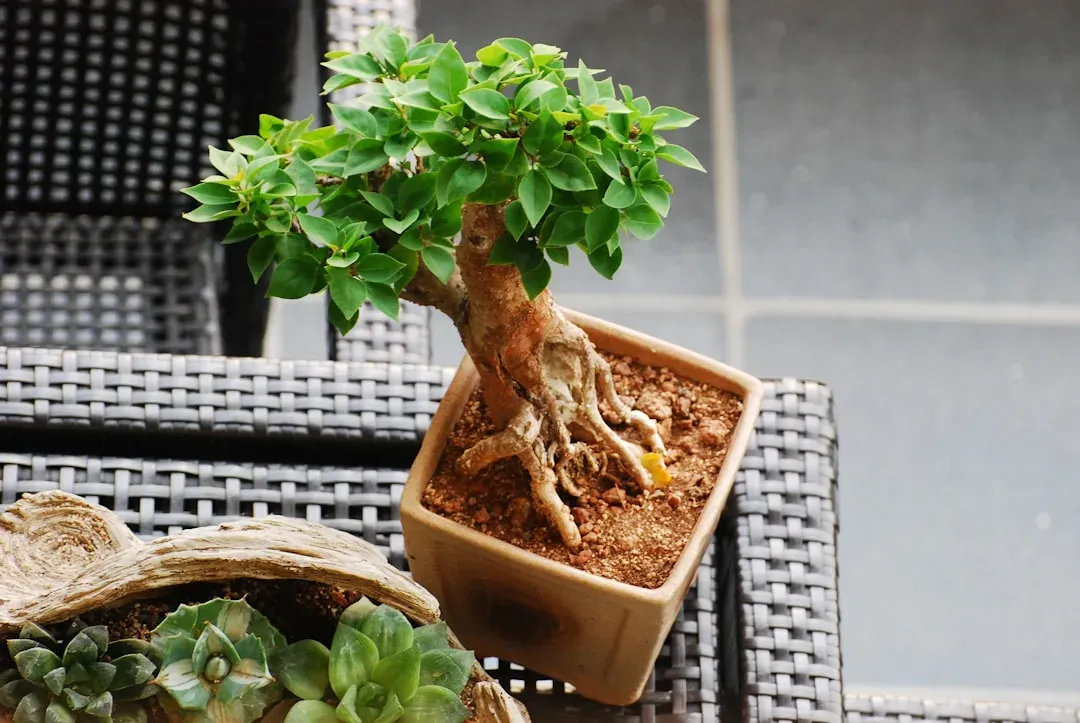
Inspect the nebari by gently brushing aside surface soil at the trunk base. Quality bonsai display "surface roots that radiate from the trunk base in all directions" (North Carolina State Extension). Avoid trees with roots emerging from only one side, crossing over each other, or diving straight down without visible surface structure, as correcting poor nebari takes years of careful work.
Matching Species to Your Lifestyle and Environment
Your daily schedule and home environment determine which species will thrive under your care. Temperate species like Japanese maple, juniper, and pine require outdoor placement year-round with exposure to seasonal temperature changes for proper dormancy. These trees need daily attention during growing season but suit practitioners who enjoy outdoor gardening routines.
Tropical and subtropical species including ficus, jade, and serissa can live indoors year-round in most climates, making them practical for apartment dwellers or those preferring indoor hobbies. However, these trees still need bright light, consistent temperatures, and attention to humidity levels that indoor environments often lack. To be fair, calling them "indoor bonsai" oversimplifies their requirements.
Consider your travel frequency and daily availability. Some species tolerate brief neglect better than others, Chinese elm and jade show remarkable resilience to occasional watering lapses, while azaleas and maples decline rapidly if their soil dries completely. The National Bonsai Foundation recommends that "beginners should start with hardy, forgiving species such as juniper, Chinese elm, or ficus" because these tolerate the learning curve that all new practitioners experience.
Match the tree's mature size to your available space. A large juniper eventually needs substantial room for its canopy spread, while shohin-size bonsai (under 8 inches tall) fit comfortably on apartment windowsills.
Making the Most of Your Local Nursery Relationship
Your relationship with a local bonsai source extends far beyond the initial purchase. These connections provide ongoing education, seasonal guidance, and access to the broader bonsai community that makes this practice rewarding over decades.
Visit regularly even when you're not buying trees. Observing how the nursery maintains its stock through different seasons teaches you techniques you'll apply at home. Notice their watering frequency during summer heat versus spring coolness, how they protect trees during winter, and when they perform major work like repotting or heavy pruning.
I spent three consecutive Saturdays last October just wandering through my local nursery, watching the owner prepare junipers for winter. He showed me how he gradually reduced watering as temperatures dropped, explaining that cold, wet soil invites root rot more than the cold itself. That hands-on observation taught me more about seasonal transitions than any book could—I could see the soil moisture levels, feel the temperature differences between morning and afternoon visits, and understand why my own trees had struggled the previous winter.
Ask questions whenever uncertainty arises with your own trees. Most nursery owners and experienced staff genuinely enjoy helping customers succeed because your long-term engagement benefits their business. Bring photos of problems you're encountering, or better yet, bring the tree itself for in-person diagnosis when something seems wrong.
Attend workshops, demonstrations, and sales events that your local nursery hosts or promotes. These gatherings connect you with other practitioners at various skill levels, expose you to advanced techniques through observation, and often provide opportunities to purchase quality material at better prices than regular retail. "The relationship between a bonsai enthusiast and their local nursery is invaluable—it's where theoretical knowledge meets practical application," says Bjorn Bjorholm, bonsai professional and owner of Bjorholm Bonsai in Tennessee. "When customers bring their trees in for advice, we can assess the actual conditions—soil composition, root health, watering patterns—rather than trying to diagnose problems through descriptions alone."
Support your local source by purchasing supplies there when possible, even if online prices run slightly lower. Quality bonsai soil, proper tools, and appropriate fertilizers cost more at specialty shops than mass retailers, but your purchases help maintain the expertise and inventory that serves your long-term needs.
Your local bonsai nursery becomes a hub for learning and community connection as you develop your skills. The initial tree purchase starts a relationship that can support your practice for years, providing expertise that adapts to your growing experience level and changing interests. Finding the right local source takes effort, but the investment pays returns throughout your bonsai journey.
Related Articles
- Bonsai Trees for Sale: Where to Buy & What to Look For
- Complete Guide to Bonsai Trees: Care, Types & Growing Tips
- Bonsai Tree Types: 15+ Species for Every Skill Level
- Bonsai Tree Care: Complete Maintenance Guide for Beginners
- Indoor Bonsai Trees: Best Species & Care Requirements
- Japanese Maple Bonsai: Care Guide & Styling Tips
Frequently Asked Questions
What's the best way to search online for bonsai nurseries in my area?
Start with Google Maps searches for "bonsai nurseries near me" or "bonsai shops [your city]," then expand to botanical gardens and Japanese garden centers in your region. Check local gardening forums and social media groups, as community members often recommend their favorite sources that may have minimal online presence but excellent reputations.
How can I tell if a local nursery has quality bonsai before visiting?
Call ahead and ask about their bonsai selection, how long they've specialized in bonsai, and whether staff have personal growing experience. Visit their website or social media for photos of their inventory and customer reviews. A quality nursery will have knowledgeable staff willing to answer questions and maintain healthy-looking specimens.
What specific health signs should I look for when inspecting a bonsai in person?
Check for deep green, glossy foliage without brown edges or yellowing; firm roots with white or light-colored growth tips; proper trunk taper (wider at base than top); and flexible branches that bend without cracking. Soil should feel barely moist when you press your finger knuckle-deep, never waterlogged or completely dry.
Can I buy bonsai from regular garden centers, or do I need a specialty shop?
Regular garden centers often carry bonsai sections worth exploring, but dedicated bonsai nurseries offer superior selection and expert guidance tailored to your climate. Botanical gardens and Japanese garden centers are also excellent alternatives if a specialty nursery isn't available in your area.
Why is it important to build a relationship with a local bonsai expert?
A local expert understands your region's specific climate, humidity levels, and hardiness zone, allowing them to recommend species and care schedules that actually work for your conditions. They become an invaluable resource as your tree's needs change seasonally and can help troubleshoot problems based on their knowledge of local growing challenges.
What questions should I ask a nursery staff member before buying my first bonsai?
Ask about the species' suitability for your climate and light conditions, recommended watering frequency for your area, seasonal care requirements, and whether they offer follow-up support or workshops. Also inquire about their return policy and whether they can recommend beginner-friendly species.
How does buying locally protect my bonsai compared to ordering online?
Local shopping eliminates shipping stress that can damage delicate specimens and allows you to inspect the actual tree before purchase rather than relying on photos. You also get immediate expert guidance and can return with questions as your tree's needs change throughout the seasons.