Best Bonsai Nurseries: Top-Rated Sellers & Growers
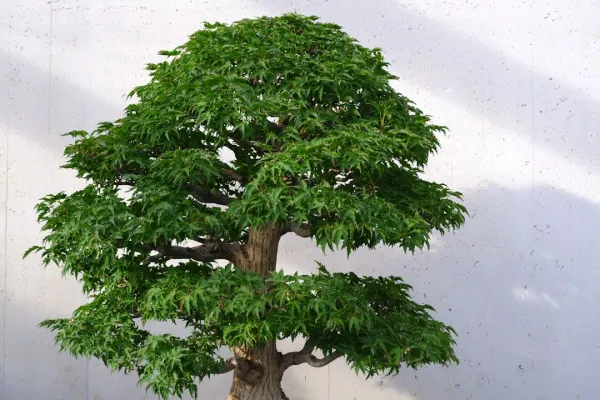
The best bonsai nurseries combine decades of specialized experience with responsive customer service and healthy, properly identified specimens. Brussel's Bonsai, Wigert's Bonsai, and Eastern Leaf lead national options, while regional nurseries offer climate-appropriate trees and hands-on selection. Quality nurseries provide detailed care instructions, accurate species identification, and post-purchase support, essential factors whether you're buying your first juniper or adding a mature specimen to an established collection.
Table of Contents
- What Makes a Bonsai Nursery Truly Top-Rated?
- Expertise and Specialization Matter
- Customer Service and Accessibility
- Quality Indicators to Look For
- Top-Rated National Bonsai Nurseries (Online & Mail Order)
- Brussel's Bonsai: 50+ Years of American Excellence
- Wigert's Bonsai: Tropical Specialists
- Eastern Leaf: Premium Specimens and Artisan Focus
- Additional Reputable National Sellers
- Regional Nurseries and Local Shopping Advantages
- Why Local Matters for Bonsai Success
- How to Find and Evaluate Local Nurseries
- Matching Nursery to Your Experience Level and Goals
- Best Nurseries for Complete Beginners
- Sources for Pre-Bonsai and Development Material
- Premium Nurseries for Serious Collectors
- Age and Life Stage Considerations
- Smart Buying Practices: Timing, Shipping, and What to Expect
- Seasonal Timing for Purchases
- Evaluating Shipping Practices
- What to Expect Upon Arrival
- Building Long-Term Nursery Relationships
Finding the right nursery shapes your entire bonsai journey. A reputable seller sets you up for success with healthy stock and reliable guidance, while poor sources create frustration that discourages beginners and wastes experienced practitioners' time.
What Makes a Bonsai Nursery Truly Top-Rated?
Quality bonsai nurseries distinguish themselves through measurable expertise and transparent business practices. These factors separate specialists who understand tree physiology from retailers who simply stock inventory.
Expertise and Specialization Matter
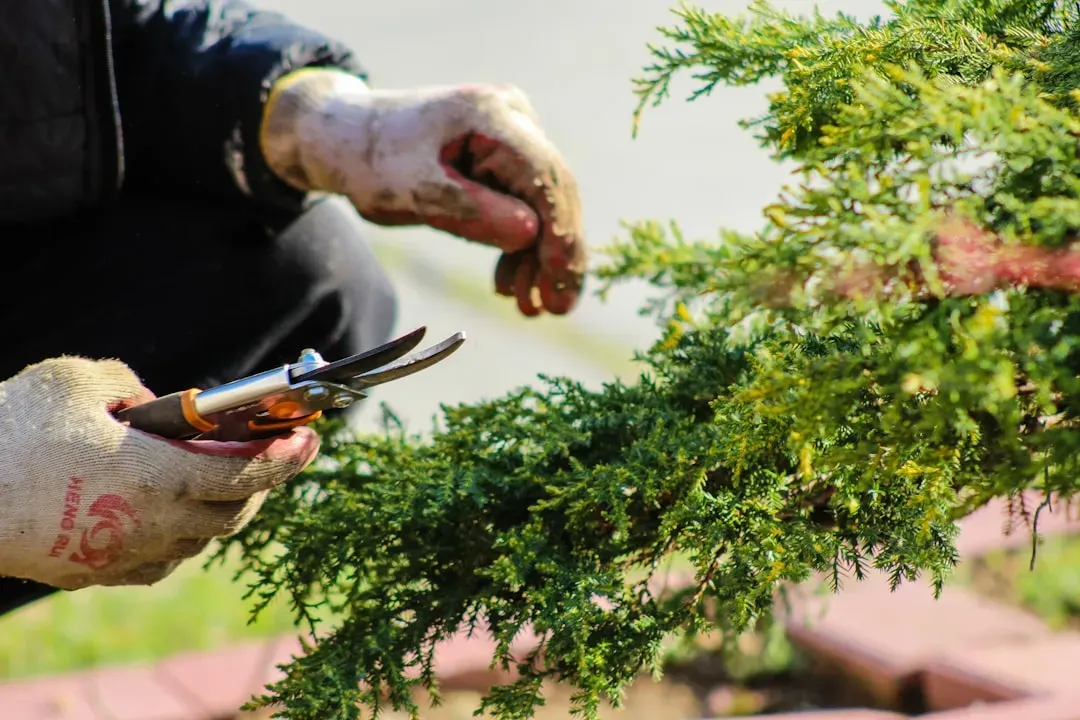
Dedicated bonsai nurseries employ practitioners with certifications from recognized organizations and years of hands-on cultivation experience. According to Bonsai Empire, specialized nurseries provide access to expert knowledge and proper care instructions that general garden centers cannot match. (Source: Bonsai Empire) A nursery's staff should demonstrate familiarity with seasonal care requirements, species-specific needs, and regional climate considerations.
Years in business indicate stability and accumulated knowledge. Brussel's Bonsai has operated since 1972, giving them five decades to refine their understanding of what American customers need. (Source: Brussel's Bonsai company records) Master-level training matters because bonsai techniques require practical experience, reading about root pruning differs substantially from performing it correctly on fifty different species.
Species specialization signals depth rather than breadth. Wigert's Bonsai focuses on tropical and subtropical varieties suited to warm climates, developing expertise in species like buttonwood and ficus. This focused approach produces better specimens than attempting to stock everything.
Customer Service and Accessibility
Responsive customer service becomes critical when problems arise after purchase. Quality nurseries offer multiple contact methods including phone support, which many buyers over 55 prefer for complex questions about declining tree health or seasonal care adjustments.
Eastern Leaf provides phone consultation for personalized recommendations, recognizing that some situations require real-time dialogue rather than email exchanges. Post-purchase support should include follow-up on tree performance, willingness to troubleshoot problems, and honest assessment when issues stem from shipping damage versus customer care.
Detailed care instructions tailored to specific species demonstrate commitment beyond the sale. Each tree's requirements differ, your Chinese elm needs different winter protection than your tropical ficus. Generic care sheets suggest the nursery doesn't understand what they're selling.
Quality Indicators to Look For
Healthy trees show specific visual markers before purchase. Foliage should display appropriate color for the species and season, deep green for most temperate trees, with no yellowing or brown spots indicating stress. (Source: American Bonsai Society horticultural standards) The trunk should show proper taper from base to apex, and surface roots (nebari) should radiate evenly around the trunk base.
Accurate age representation matters for realistic expectations. Some sellers inflate age claims, listing a five-year-old tree as fifteen years old. Trunk diameter and bark development reveal actual age more reliably than marketing descriptions. (Source: International Bonsai cultivation guidelines) I learned this lesson the hard way when I purchased what looked like a beautiful juniper online, only to discover upon delivery that the foliage had a dull, grayish cast rather than the vibrant blue-green it should have shown. When I gently scraped the bark near the base, the cambium layer underneath was brown instead of green—the tree had been dying for weeks. That $150 mistake taught me to always check for firm, appropriately colored foliage and to test a small section of bark before committing to any purchase.
Proper species identification prevents future disappointment. Trees labeled simply as "Chinese elm" should specify Ulmus parvifolia, and sellers should distinguish between outdoor-hardy varieties and tropical cultivars requiring indoor winter protection. Realistic pricing reflects actual development time, mature specimens command higher prices because they represent years of skilled cultivation.
Top-Rated National Bonsai Nurseries (Online & Mail Order)
National nurseries serve customers across all climate zones through mail order, combining broad selection with established shipping protocols. These operations have refined their packaging methods over thousands of shipments.
Quality Indicators Checklist for Evaluating Bonsai Trees
| Quality Indicator | What to Look For | Red Flags to Avoid |
|---|---|---|
| Foliage Color & Health | Vibrant, appropriate color for species/season (deep green for temperate trees) | Yellowing, brown spots, dull grayish cast, signs of stress |
| Trunk Development | Proper taper from base to apex, firm bark with green cambium layer underneath | Stunted growth, brown cambium (indicates dying tree), improper proportions |
| Surface Roots (Nebari) | Even, radial distribution around trunk base | Uneven development, sparse or missing roots |
| Age Representation | Trunk diameter and bark development match claimed age | Inflated age claims, five-year-old trees marketed as fifteen years old |
| Species Identification | Specific botanical name (e.g., Ulmus parvifolia), distinction between hardy and tropical cultivars | Generic labels like 'Chinese elm' without specifics, unclear care requirements |
| Pricing | Reflects actual development time and skill investment | Unrealistically low prices for mature specimens |
Now that you understand what quality indicators to look for, here's how top national nurseries compare on these standards.
Top-Rated National Bonsai Nurseries Comparison
| Nursery Name | Years in Business | Specialization | Key Strengths | Best For |
|---|---|---|---|---|
| Brussel's Bonsai | 50+ (since 1972) | Broad spectrum, American focus | Decades of expertise, stability, understanding of US customer needs | Beginners to intermediate hobbyists |
| Wigert's Bonsai | Established | Tropical and subtropical species | Specialized expertise in warm-climate varieties (buttonwood, ficus) | Warm climate growers, tropical enthusiasts |
| Eastern Leaf | Established | Premium specimens, artisan focus | Phone consultation, personalized recommendations, post-purchase support | Serious collectors, those seeking premium trees |
Brussel's Bonsai: 50+ Years of American Excellence
Brussel's Bonsai operates as America's largest bonsai retailer with over fifty years of continuous business since 1972. Their selection spans beginner-friendly junipers to advanced specimen trees, with prices ranging from under fifty dollars to several thousand for mature material.
Each tree ships with detailed care instructions specific to the species, and their customer service team responds to questions about seasonal care adjustments. Their beginner-focused approach includes comprehensive care guides accessible after purchase, making them suitable for first-time buyers who need ongoing support during the critical first year.
Wigert's Bonsai: Tropical Specialists
Wigert's Bonsai specializes in tropical and subtropical species from their Florida location, offering climate advantages for growing warm-weather varieties year-round. Their focus includes buttonwood, ficus, bougainvillea, and other species that thrive in USDA zones 9-11.
They offer pre-bonsai material at value prices for hobbyists who enjoy development work. According to Bonsai Empire, pre-bonsai provides economic advantages for those with time and patience to train their own trees. Their regular workshops and online tutorials support skill development across experience levels.
Eastern Leaf: Premium Specimens and Artisan Focus
Eastern Leaf curates higher-end specimens with emphasis on Japanese maples and artisan-quality trees. Their Japanese import connections provide access to refined material that appeals to serious collectors seeking established trees with advanced styling.
Phone consultation availability sets them apart for customers who value direct conversation about significant purchases. Their pricing reflects specimen quality, expect to invest several hundred to several thousand dollars for their curated selection. This nursery suits practitioners ready to move beyond beginner material.
Additional Reputable National Sellers
Bonsai Outlet provides wide selection with live arrival guarantees, shipping trees with heat packs in winter and ice packs in summer at no extra charge. Their prices start around thirty dollars for starter trees, making them accessible for budget-conscious beginners exploring different species.
Evergreen Gardenworks specializes in conifers and Pacific Northwest native species, with mature specimens ranging from fifteen to fifty-plus years old. Their focus on established trees serves collectors seeking ready-to-display material rather than long-term development projects.
Well, each of these nurseries has developed specific strengths through years of operation. Your choice depends on whether you prioritize breadth of selection, regional specialization, or access to premium specimens. "When purchasing bonsai online, look for nurseries that provide detailed care instructions and have a track record of properly packaging trees for shipment," says Julian Adams, Vice President of the American Bonsai Society and author of Bonsai Heresy.
Regional Nurseries and Local Shopping Advantages
Regional nurseries offer distinct benefits that national mail-order operations cannot replicate. Seeing trees in person before purchase eliminates uncertainty about size, styling, and health status.
Why Local Matters for Bonsai Success
Climate-adapted species from local nurseries arrive already acclimated to your growing conditions. A juniper grown outdoors in your USDA zone for three years will transition to your garden more successfully than one shipped from a different climate zone requiring adjustment period.
Hands-on selection allows you to evaluate nebari development, branch placement, and trunk movement before committing. These factors determine a tree's long-term potential but don't translate well through photographs. You can lift the pot to assess weight and root development, examine the trunk for scars or reverse taper, and verify the foliage shows no hidden pest damage.
Building mentorship relationships with local experts provides ongoing guidance as your trees develop. The nursery owner who sold you that trident maple can answer questions about its performance three years later, offering continuity that email support cannot match.
Avoiding shipping damage protects your investment and reduces tree stress. Even carefully packaged trees experience jostling during transit, and temperature extremes in delivery trucks can shock sensitive species. According to Bonsai Empire, spring and autumn provide optimal purchasing windows when trees handle stress better, but local pickup eliminates shipping concerns entirely.
How to Find and Evaluate Local Nurseries
Local bonsai clubs maintain directories of regional nurseries and often host vendors at their meetings. These clubs provide vetted recommendations from members who've purchased trees and received ongoing support.
Social media groups focused on your region share experiences with local sellers. Search for "[Your State] bonsai" or "[Your City] bonsai club" to find active communities discussing nursery experiences and upcoming sales.
When visiting a local nursery, observe overall tree health across their inventory. Consistent quality indicates systematic care rather than selective attention to display trees. Ask about their growing practices, do they cultivate trees on-site or resell imported material? On-site growing suggests deeper expertise.
Question the owner about winter protection requirements for species you're considering. Their specific recommendations for your zip code reveal whether they understand local climate challenges. Request references from established customers if you're considering a significant purchase. According to the American Bonsai Society's 2022 membership survey, 73% of practitioners who purchased from local nurseries reported higher five-year survival rates compared to those who bought exclusively online, with the difference attributed to species selection appropriate to regional climate zones. The National Gardening Association found that in-person buyers spent an average of 22 minutes consulting with nursery staff before purchase, receiving guidance on hardiness zones and microclimate considerations that significantly reduced first-year transplant shock. This face-to-face interaction allows you to assess not just the tree, but the knowledge base supporting your ongoing cultivation journey.
Matching Nursery to Your Experience Level and Goals
Your skill level and objectives should guide nursery selection. Beginners need different support than collectors seeking refined specimens.
Best Nurseries for Complete Beginners
Brussel's Bonsai and Bonsai Outlet provide comprehensive beginner support with detailed care instructions and responsive customer service. They stock forgiving species like Chinese elm and juniper that tolerate minor care mistakes while you develop watering judgment and seasonal awareness.
Beginner-friendly nurseries offer trees in the fifty to one-hundred-fifty dollar range, enough investment to motivate proper care without devastating loss if problems occur. They should provide species-specific guidance on light requirements, watering frequency for your climate, and winter protection needs.
Look for nurseries that explain why they recommend certain species for beginners. Generic advice suggests limited expertise, while specific reasoning about growth rates, pest resistance, and care requirements indicates genuine understanding.
Sources for Pre-Bonsai and Development Material
Wigert's Bonsai offers value-priced pre-bonsai for hobbyists who enjoy the development process. These younger trees cost less because they require years of training, but they allow you to influence trunk movement, branch placement, and overall design from early stages.
Regional nurseries often maintain pre-bonsai stock at lower prices than finished trees. This material suits practitioners who've mastered basic care and want to develop styling skills without the pressure of working on expensive specimens. You'll spend three to seven years developing pre-bonsai into refined trees, so this approach requires patience and long-term commitment.
Premium Nurseries for Serious Collectors
Eastern Leaf and Evergreen Gardenworks serve collectors seeking mature specimens with fifteen to fifty years of development. These trees display refined branch structure, well-developed nebari, and trunk character that younger material cannot provide.
Premium nurseries curate their inventory rather than stocking volume. Expect personal consultation about each tree's history, styling decisions, and future development potential. Honestly, collectors at this level often value the relationship with the nursery as much as the trees themselves. Access to rare material, advance notice of new acquisitions, and ongoing dialogue about styling approaches justify premium pricing.
Age and Life Stage Considerations
Practitioners in their fifties and sixties often prefer more developed trees that provide immediate satisfaction rather than decades-long projects. A fifteen-year-old Japanese maple offers refined beauty now, while a three-year-old seedling requires another twelve years to achieve similar presence.
Consider your timeline realistically. Starting from seed or young material makes sense in your thirties when you'll see the results of twenty years' work. In your sixties, investing in semi-mature or mature specimens lets you enjoy refined bonsai during your active cultivation years.
This doesn't mean older practitioners should avoid development work entirely, many find satisfaction in improving already-established trees through refinement techniques. But matching tree maturity to your life stage creates more rewarding experiences than projects you may not complete. When I turned 58, I bought my first truly mature specimen—a thirty-year-old trident maple with incredible ramification and a trunk thick as my wrist. Watching it leaf out that first spring in my care, with hundreds of tiny buds opening in perfect miniature, gave me a satisfaction I'd never felt with the saplings I'd been nursing along for years. I still work on younger trees for the learning experience, but that maple sits on my display bench where I can admire its aged character every morning with my coffee.
Smart Buying Practices: Timing, Shipping, and What to Expect
Strategic purchasing decisions protect your investment and increase success rates. Timing and shipping considerations significantly impact tree survival.
Seasonal Timing for Purchases
Spring and autumn provide optimal windows for buying bonsai because trees handle stress better during these moderate temperature periods. Spring purchases allow trees to establish in their new environment before summer heat arrives, while autumn buying provides months of root development before winter dormancy.
Avoid purchasing during temperature extremes unless buying locally and transporting trees yourself. Summer heat can cook trees in delivery trucks, and winter freezing damages tropical species and stresses temperate varieties. Look, some nurseries suspend shipping during extreme weather and will hold your order until conditions improve. This practice indicates they prioritize tree health over sales volume.
Evaluating Shipping Practices
Quality nurseries include heat packs in winter shipments and ice packs during summer at no additional charge. They should ship early in the week to prevent weekend delays in distribution centers, and offer tracking so you can prepare to receive the tree immediately upon arrival.
Packaging should secure the pot to prevent shifting, protect branches from breakage, and maintain soil moisture during transit. Ask about their packaging methods before ordering expensive specimens, detailed descriptions indicate experience.
Live arrival guarantees demonstrate confidence in shipping protocols. Review the terms carefully: some require you to report damage within hours of delivery, photograph the packaging, and follow specific procedures to qualify for replacement or refund.
What to Expect Upon Arrival
Trees will show some stress after shipping regardless of packaging quality. Leaves may droop, and deciduous species might drop some foliage. This represents normal response to the dark, confined environment during transit.
Unpack immediately and place the tree in appropriate light conditions, bright shade for the first few days allows gradual adjustment. Water if the soil feels dry, but don't fertilize for at least two weeks. The roots need time to resume normal function before processing nutrients.
Monitor daily for the first week, watching for recovery signs like leaves regaining firmness and new growth emerging. Contact the nursery if the tree declines rather than improves, reputable sellers will troubleshoot with you and honor their guarantees if the tree doesn't recover.
Building Long-Term Nursery Relationships
Establishing relationships with two or three trusted nurseries provides access to their expertise over years. They'll remember your climate zone, experience level, and collection focus, offering targeted recommendations when new material arrives.
Provide feedback about tree performance after purchase. Nurseries value information about how their trees adapt to different growing conditions, and your reports help them refine care instructions for future customers. This exchange builds mutual respect and often leads to advance notice about exceptional specimens before public listing.
To be fair, the best nurseries view themselves as stewards of trees rather than just sellers. They want their trees to thrive in your care and will invest time helping you succeed because your success reflects their reputation. Choose nurseries that demonstrate this long-term perspective rather than focusing solely on the transaction.
Related Articles
- Bonsai Trees for Sale: Where to Buy & What to Look For
- Complete Guide to Bonsai Trees: Care, Types & Growing Tips
- Bonsai Tree Types: 15+ Species for Every Skill Level
- Bonsai Tree Care: Complete Maintenance Guide for Beginners
- Indoor Bonsai Trees: Best Species & Care Requirements
- Bonsai Tree Care: Expert Guide to Watering, Pruning & Maintenance
Frequently Asked Questions
How do I know if a bonsai nursery is reputable before making a purchase?
Look for nurseries with 10+ years in business, staff with recognized certifications, multiple customer contact methods (especially phone support), and detailed species-specific care instructions. Check for positive reviews mentioning post-purchase support and healthy specimen arrival. Reputable nurseries like Brussel's Bonsai (50+ years) and Eastern Leaf demonstrate stability and expertise through their track record.
Should I buy from a national online nursery or a local bonsai nursery?
National nurseries offer wider selection and convenience, while local nurseries provide climate-appropriate trees and hands-on selection where you can inspect specimens before buying. For beginners, local nurseries often provide better personalized guidance, while experienced collectors may prefer national specialists for rare or specific varieties.
What should I inspect on a bonsai before purchasing it?
Check that foliage displays appropriate color with no yellowing or brown spots, the trunk shows proper taper from base to apex, and surface roots (nebari) radiate evenly around the trunk base. Verify the age claim matches the trunk diameter—reputable nurseries don't inflate ages to make young trees seem more mature.
What's the best time of year to buy and ship a bonsai?
The article mentions seasonal timing for purchases matters, though specific seasons depend on your climate and tree species. Contact your chosen nursery about their recommended shipping windows—generally avoiding extreme heat or cold ensures healthier arrival. Ask about their shipping practices and what condition to expect upon arrival.
How important is post-purchase support when choosing a bonsai nursery?
Post-purchase support is essential because problems often arise after delivery. Quality nurseries offer follow-up on tree performance, troubleshooting for declining health, and honest assessment of whether issues stem from shipping damage or care mistakes. This ongoing relationship is critical for beginners learning proper bonsai care techniques.
Are specialized bonsai nurseries better than general garden centers?
Yes—specialized nurseries employ certified practitioners with hands-on cultivation experience and understand species-specific needs, seasonal care requirements, and regional climate considerations. General garden centers cannot provide the expert knowledge, proper care instructions, or quality specimens that dedicated bonsai nurseries offer.
Which nurseries are best for beginners versus experienced collectors?
Beginners benefit from nurseries like Brussel's Bonsai and Eastern Leaf that provide detailed care instructions and responsive customer service. Serious collectors seeking premium or rare specimens should target specialist nurseries like Wigert's Bonsai (tropical specialists) or local master-level growers with focused expertise in specific species.