Japanese Maple Bonsai: Care Guide & Styling Tips
Japanese maple bonsai combine delicate foliage, elegant branching structure, and seasonal color changes that make them among the most rewarding subjects for cultivation. These trees (Acer palmatum) adapt well to container culture, respond predictably to pruning, and develop refined characteristics over time with proper care. Success requires understanding their specific needs for light exposure, consistent moisture, and protection from environmental extremes.
Table of Contents
- Understanding Japanese Maple Bonsai: Varieties and Selection
- Best Japanese Maple Cultivars for Bonsai
- What to Look for When Purchasing
- Essential Care Requirements: Water, Light, and Soil
- Watering Schedule and Techniques
- Light Requirements Throughout the Year
- Soil Composition and Repotting
- Seasonal Care Calendar: Month-by-Month Guide
- Spring: Growth Season Preparation
- Summer: Protection and Maintenance
- Fall: Color Enhancement and Preparation
- Winter: Dormancy and Protection
- Pruning and Styling Techniques for Japanese Maple Bonsai
- Structural Pruning and Branch Selection
- Maintenance Pruning and Pinching
- Wiring and Shaping Methods
- Troubleshooting Common Problems
- Leaf Scorch and Environmental Stress
- Disease and Pest Management
- Growth Problems and Recovery
The species offers naturally compact growth and fine branching that suits bonsai styling without excessive intervention. Your tree will show seasonal transformations, spring's bright green emergence, summer's deeper tones, and autumn's brilliant reds and oranges, that reward patient cultivation with living art.
Understanding Japanese Maple Bonsai: Varieties and Selection
Japanese maples excel as bonsai subjects because of their naturally elegant branching structure and outstanding ornamental foliage (According to the Missouri Botanical Garden). The species demonstrates predictable growth patterns, tolerates root confinement better than many deciduous trees, and develops character relatively quickly compared to pines or junipers.
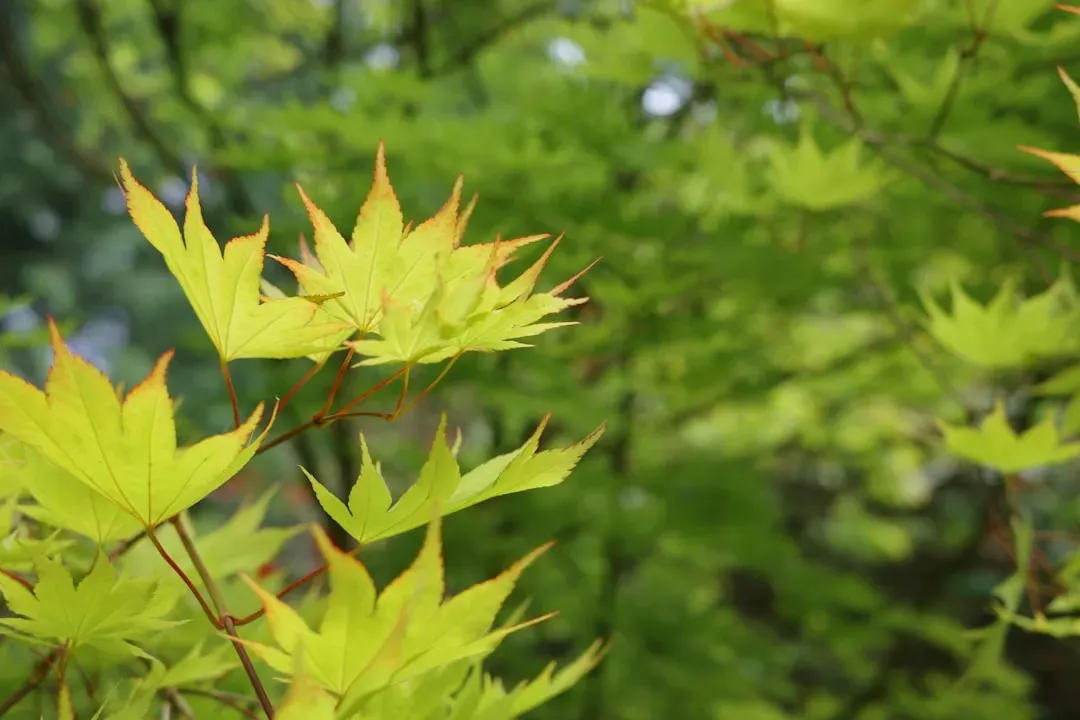
Well, the variety you select determines your tree's mature characteristics, maintenance requirements, and climate tolerance. Cultivars range from vigorous growers suitable for beginners to slow-growing dwarfs that challenge experienced practitioners. Leaf size matters significantly, smaller leaves create better visual proportion in miniature form.
Best Japanese Maple Cultivars for Bonsai
'Deshojo' produces brilliant red spring foliage that transitions to green by summer, with leaves approximately one inch across when mature. This cultivar shows moderate vigor and develops fine ramification within three to four years of consistent pinching. The spring color display justifies its popularity despite requiring afternoon shade in hot climates.
'Kiyohime' offers naturally small leaves (half-inch) and compact growth that reduces the pruning workload considerably. This dwarf cultivar suits shohin-size bonsai (under eight inches) and demonstrates tight internodal spacing without intervention. Beginners appreciate its forgiving nature and slow growth rate that allows time between styling decisions.
'Seigen' combines miniature leaves with cascading branch tendencies that suit semi-cascade and cascade styles naturally. The purple-tinged spring growth matures to deep green, then shifts to crimson in autumn. This cultivar requires consistent pinching to prevent leggy growth during the vigorous spring flush.
'Shishigashira' (Lion's Head maple) displays crinkled foliage and extremely tight growth that creates dense canopy structure. The naturally upright habit suits formal and informal upright styles, though the vigor demands frequent summer pinching to maintain refined branching.
What to Look for When Purchasing
Examine the nebari, visible surface roots radiating evenly from the trunk base, before considering other characteristics. Good root flare anchors the composition visually and indicates proper early training. Young nursery stock often lacks developed nebari, but you can identify potential by gently exposing the root crown to check for radial root distribution.
Trunk taper (gradual narrowing from base to apex) separates promising material from problematic stock. A telephone-pole trunk with uniform thickness throughout requires years of cutting back and regrowth to develop taper. Look for material where the trunk diameter decreases noticeably as your eye moves upward.
Branch placement matters less in young material since you'll likely remove or redirect most existing branches during initial styling. However, low first branches (positioned within the bottom third of the trunk) provide more design options than high branching. I once purchased what seemed like a bargain Japanese maple at a nursery sale, only to discover when I got it home that the trunk was straight as a broomstick from soil line to apex. Five years later, I'm still working on developing any semblance of taper through repeated trunk chops and regrowth cycles—a costly lesson that taught me to run my hand up the trunk before opening my wallet. Now I won't even consider material unless I can feel that satisfying narrowing from a thick base to a slender top, saving myself years of corrective work.
Pre-styled bonsai offer immediate gratification but limit your learning opportunities and cost significantly more than raw material. Nursery stock provides better value for developing fundamental skills, though you'll wait three to five years to achieve refined results.
Essential Care Requirements: Water, Light, and Soil
Japanese maples demand attention to three interconnected fundamentals: consistent moisture without waterlogging, appropriate sun exposure that varies by season and climate, and well-draining substrate that supports root health. These requirements shift throughout the year as your tree moves through growth cycles and dormancy.
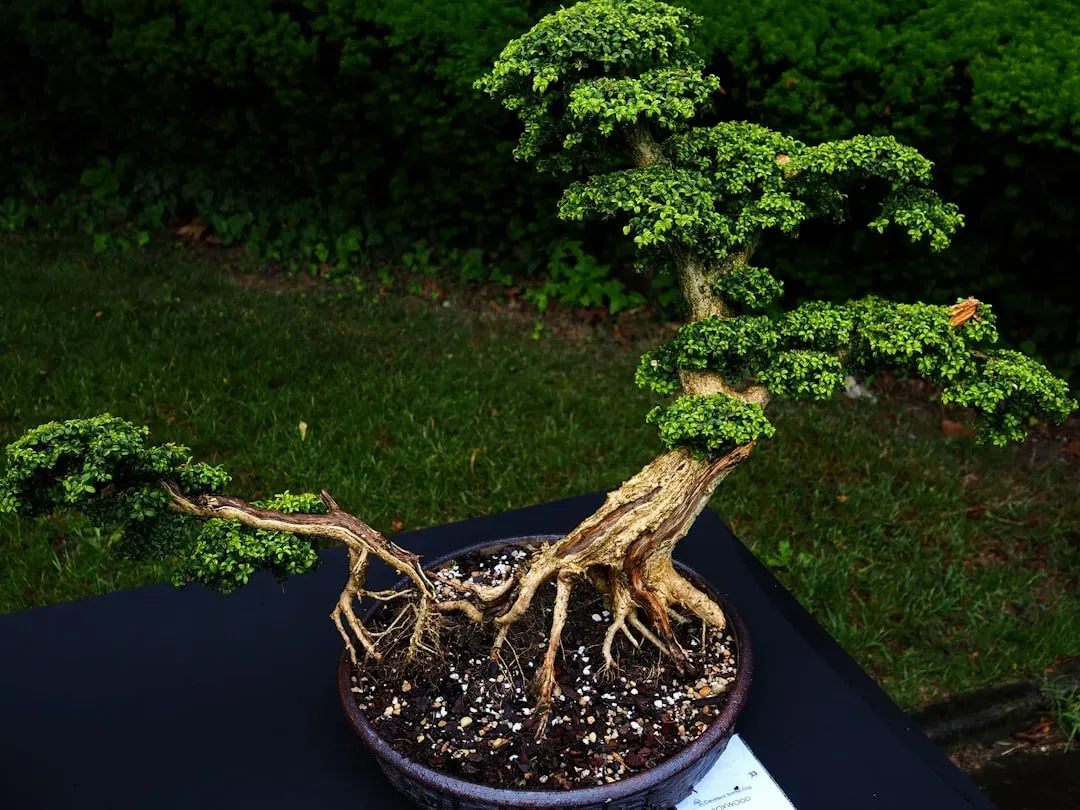
Key Purchasing Criteria for Japanese Maple Bonsai Stock
| Selection Criterion | What to Look For | Why It Matters | Red Flags to Avoid |
|---|---|---|---|
| Nebari (Root Flare) | Visible surface roots radiating evenly from trunk base | Anchors composition visually and indicates proper early training | Roots clustered on one side or no visible flare |
| Trunk Taper | Gradual narrowing from thick base to slender apex | Creates natural, refined appearance; saves years of corrective work | Uniform thickness throughout ('telephone pole' trunk) |
| Branch Placement | Low first branches in bottom third of trunk | Provides more design flexibility and styling options | High branching that limits composition choices |
| Overall Form | Visible character and potential structure | Reduces styling time and accelerates development | Straight, featureless material requiring extensive reconstruction |
Once you know what to look for in raw stock, the next decision is which cultivar to grow. Each variety offers distinct leaf characteristics, growth habits, and styling potential that match different skill levels and aesthetic goals.
Japanese Maple Bonsai Cultivars Comparison
| Cultivar | Leaf Size | Growth Rate | Best Style | Key Characteristics | Ideal for |
|---|---|---|---|---|---|
| 'Deshojo' | ~1 inch | Moderate | Upright | Brilliant red spring foliage transitioning to green; fine ramification in 3-4 years | Intermediate growers |
| 'Kiyohime' | ~0.5 inch | Slow | Shohin (under 8") | Naturally compact; tight internodal spacing; forgiving growth | Beginners |
| 'Seigen' | Miniature | Vigorous spring | Semi-cascade/Cascade | Purple-tinged spring growth; deep green summer; crimson fall; cascading branches | Experienced cultivators |
| 'Shishigashira' | Small, crinkled | Vigorous | Formal/Informal Upright | Dense canopy; naturally upright; extremely tight growth; requires frequent pinching | Experienced cultivators |
Watering Schedule and Techniques
During the growing season (spring through early fall), check soil moisture daily by pressing your finger knuckle-deep into the substrate. Water thoroughly when the top half-inch feels barely moist rather than wet. The soil should never dry completely, but standing water in the pot indicates drainage problems that require immediate substrate replacement.
Apply water gently using a watering can with a fine rose (sprinkler head) to prevent substrate erosion and root exposure. Water until it flows freely from drainage holes, wait thirty seconds, then water again to ensure complete saturation. Small pots (under eight inches) may require twice-daily watering during hot summer periods.
Winter dormancy reduces watering frequency to once weekly or less, depending on your climate. The substrate should remain slightly moist but not wet, as waterlogged roots suffocate and rot during cold periods when the tree isn't actively transpiring.
Light Requirements Throughout the Year
The conflicting advice about sun exposure resolves when you consider seasonal and regional variations. In warmer areas, Japanese maples do best with morning sun and afternoon shade (According to the University of Maryland Extension). This pattern prevents leaf scorch while providing sufficient light for photosynthesis and compact growth.
Spring and fall tolerate more direct sun as temperatures moderate and the sun's angle softens. Full sun during these seasons intensifies fall color and promotes tight internodal spacing. However, foliage may scorch in hot, sunny locations, particularly in hot summer climates (According to the Chicago Botanic Garden).
Position your tree where it receives four to six hours of direct morning light, then filtered or indirect light through the afternoon. Adjust placement seasonally, moving to shadier locations as summer heat intensifies, then back to brighter spots as autumn approaches.
Soil Composition and Repotting
Japanese maples require moist but well-drained soil conditions (According to the Royal Horticultural Society). Standard bonsai substrate combines akadama (40%), pumice (30%), and lava rock (30%) to balance water retention with drainage. This mixture prevents the waterlogging that leads to root rot while maintaining consistent moisture between waterings.
Repot young trees (under five years in training) every two to three years in early spring before buds swell. Mature specimens tolerate three to four year intervals. Remove the tree from its pot, comb out the outer root mass, and trim circling roots while preserving the fine feeder roots near the trunk.
Root pruning can remove up to one-third of the root mass during repotting without stressing healthy trees. Work in stages for established specimens, reducing roots gradually over multiple repotting sessions rather than severe reduction all at once.
Seasonal Care Calendar: Month-by-Month Guide
Japanese maple care follows predictable seasonal patterns that align with the tree's natural growth cycles. Understanding these rhythms allows you to anticipate needs and perform tasks at optimal times rather than reacting to problems after they develop.
Spring: Growth Season Preparation
Begin fertilization when buds swell and show green tips, typically March or April depending on your climate. Apply balanced fertilizer (10-10-10 or similar ratio) at half the recommended strength every two weeks through early summer. This timing supports vigorous spring growth while avoiding the excessive shoot extension that creates coarse branching.
The repotting window opens in early spring before new growth emerges and closes once leaves expand fully. Root disturbance during active growth stresses trees significantly and may cause dieback. Initial structural pruning happens now, before the tree invests energy in branches you'll remove.
Monitor for aphids and scale insects as temperatures warm, since these pests target tender new growth.
Summer: Protection and Maintenance
Increase watering frequency as temperatures rise and foliage expands, your tree may need twice-daily watering during heat waves. Afternoon shade becomes critical to prevent leaf scorch, which appears as brown, crispy edges on foliage exposed to intense sun and wind.
Continue fertilization through mid-summer, then reduce frequency in August to allow growth to harden before fall. Pinch new shoots back to the first two leaves throughout summer to develop fine ramification and prevent energy waste on excessive extension growth. This pinching redirects vigor into developing secondary and tertiary branching.
Fall: Color Enhancement and Preparation
Stop fertilization by September to allow your tree to prepare for dormancy naturally. Continued feeding delays hardening-off and increases frost damage risk. Reduce watering gradually as growth slows and temperatures drop, but maintain consistent moisture since drought stress during autumn interferes with color development.
The spectacular fall color display depends on cool nights, adequate moisture, and reduced nitrogen availability. Trees stressed by drought or excess fertilizer produce muted autumn tones.
Winter: Dormancy and Protection
Japanese maples are hardy in zones 5-8 (According to the University of Maryland Extension), but containerized trees require more protection than in-ground specimens. Roots in shallow pots experience greater temperature fluctuations that can damage or kill fine feeder roots essential for spring growth.
Protect your tree using an unheated greenhouse, cold frame, or by burying the pot in mulch up to the rim. The goal is maintaining consistent temperatures just above freezing rather than preventing all cold exposure, Japanese maples require winter chilling for proper spring budbreak.
Water sparingly when substrate thaws, typically once every two to three weeks. Avoid fertilization completely. Protect fine branch tips from drying winter winds using burlap screens or by positioning trees in sheltered locations.
Pruning and Styling Techniques for Japanese Maple Bonsai
Japanese maple styling combines structural decisions that establish the tree's framework with maintenance techniques that refine branching over time. The species responds predictably to pruning, developing ramification through consistent pinching rather than requiring complex wiring for most designs.
Structural Pruning and Branch Selection
Major structural work happens in late winter while the tree remains dormant and you can see the branch architecture clearly without foliage obstruction. Remove crossing branches, inward-growing shoots, and any branches that disrupt the design's flow. Create trunk taper by cutting back to lower branches periodically, allowing these branches to thicken and become the new leader.
The rule of three guides branch placement: select three branches at different heights along the trunk, positioned roughly 120 degrees apart, to create depth and visual interest. Avoid bar branches (two branches emerging at the same height on opposite sides) that flatten the composition and look unnatural.
Primary branch selection establishes your tree's character for years to come.
Maintenance Pruning and Pinching
Growing season pinching controls vigor and develops fine ramification essential for mature bonsai appearance. When new shoots extend beyond two or three leaf pairs, pinch back to the first two leaves using your fingers or sharp scissors. This technique redirects energy into developing secondary buds along the remaining stem.
Vigorous trees require pinching every two to three weeks throughout the growing season. Look, this repetitive work builds the dense branch structure that takes years to develop but defines refined Japanese maple bonsai. Neglecting summer pinching results in long internodes and coarse branching that require severe cutback and regrowth.
Defoliation (removing all leaves mid-season) reduces leaf size and promotes a second flush of smaller foliage, but this advanced technique stresses trees significantly. Attempt defoliation only on healthy, vigorous specimens, and never two years consecutively.
Wiring and Shaping Methods
Wire branches in late autumn through early spring when the tree is dormant and branches flex more easily without breaking. Japanese maple bark damages easily, so wrap branches with raffia or tape before applying wire, or use guy wires attached to the pot for major directional changes.
Select wire gauge that holds the branch in position without cutting into bark as the branch thickens. Check wired branches monthly and remove wire before it bites into the cambium layer, typically after three to six months. Branches set position more slowly than pines, often requiring repeated wiring over multiple seasons.
Japanese maples suit informal upright, broom, and cascade styles naturally. The species' elegant branching and delicate foliage look awkward in formal upright designs that require rigid structure. "Japanese maples have very thin bark that scars easily, so protection is essential when wiring," says Boon Manakitivipart, internationally recognized bonsai master and owner of Boon's Bonsai Studio in California.
Troubleshooting Common Problems
Japanese maple bonsai display specific symptoms when cultural conditions miss the mark. Learning to read these signals allows correction before minor issues become serious setbacks that require years to overcome.
Leaf Scorch and Environmental Stress
Brown, crispy leaf edges indicate scorch from excessive sun, dry soil, excessive wind, or a combination of these factors (According to Clemson Cooperative Extension). Move affected trees to shadier locations immediately and ensure consistent soil moisture. Scorched leaves won't recover, but protecting new growth prevents continued damage.
Leaf scorch differs from natural autumn color change, scorch appears as brown, dead tissue along leaf margins while fall color shows vibrant reds, oranges, and yellows across entire leaves.
Disease and Pest Management
Verticillium wilt is a serious soil-borne disease of Japanese maples (According to the University of Maryland Extension) that causes sudden branch dieback and wilting despite adequate moisture. Infected branches show dark streaking in the sapwood when cut. Remove affected branches immediately and sterilize tools between cuts to prevent spread.
Aphids cluster on tender new growth in spring, causing distorted leaves and sticky honeydew that attracts sooty mold. Spray with insecticidal soap or strong water streams to dislodge populations before they establish. Scale insects appear as small bumps on branches and require horticultural oil treatment during dormancy.
Powdery mildew creates white, dusty coating on leaves during humid periods with poor air circulation. Improve spacing between trees and reduce overhead watering to prevent this fungal issue.
Growth Problems and Recovery
Weak spring growth or failure to leaf out indicates root problems from winter damage, waterlogging, or severe root pruning. Scratch the bark gently, green cambium underneath means the tree lives and may recover with proper care and time. Brown, dry cambium indicates death.
Leggy growth with long internodes results from insufficient light, excess nitrogen fertilizer, or neglecting summer pinching. Correct the underlying cause, then cut back to shorter internodes during dormancy to restart branch development. Recovery requires two to three growing seasons of consistent pinching to rebuild fine ramification.
To be fair, some problems simply require patience rather than intervention. Japanese maples occasionally skip a year's growth after severe stress, then resume normal development the following season. Research from the University of Minnesota Extension (2019) found that Japanese maples experience winter dieback in approximately 30-40% of cases when exposed to temperatures below -20°F without adequate protection, with root damage being the primary cause of spring failure to leaf out. The study noted that trees in containers face significantly higher risk, as root zone temperatures can drop 15-20 degrees lower than air temperature during freeze-thaw cycles. Recovery rates improve dramatically when damaged trees receive reduced watering and no fertilization during the first growing season, with 65% of partially damaged specimens producing new growth within 8-12 weeks under proper care protocols.
Related Articles
- Bonsai Tree Care: Complete Maintenance Guide for Beginners
- Bonsai Tree Care: Expert Guide to Watering, Pruning & Maintenance
- Bonsai Tree Wiring: Techniques for Shaping & Training
- Bonsai Tree Types: 15+ Species for Every Skill Level
- How to Water Bonsai Trees: Complete Watering Guide
- Bonsai Tree Repotting: Step-by-Step Guide & Best Practices
Frequently Asked Questions
How often should I water my Japanese maple bonsai?
Japanese maple bonsai require consistent moisture but not waterlogged soil. Water when the top of the soil begins to dry out, typically daily during growing season and less frequently in winter dormancy. Always check soil moisture before watering, as frequency depends on your climate, pot size, and season.
Can I keep a Japanese maple bonsai indoors?
Japanese maples are best kept outdoors as they need natural light cycles and seasonal temperature changes for healthy growth and autumn color development. While they can tolerate some indoor time, prolonged indoor cultivation will result in weak growth and poor foliage color.
Which Japanese maple cultivar is best for beginners?
Kiyohime is the most beginner-friendly cultivar due to its naturally compact growth, small leaves, slow growth rate, and forgiving nature. Its tight internodal spacing and dwarf characteristics mean less frequent pruning is needed, giving you more time between styling decisions.
How do I develop better nebari (surface roots) on my Japanese maple?
Good nebari is established during early training by gently exposing and encouraging radial root distribution from the trunk base. When repotting young material, carefully position roots to radiate outward evenly. This is easier to establish early than to correct on mature trees.
When is the best time to prune my Japanese maple bonsai?
Structural pruning is best done in late winter or early spring before growth begins. Maintenance pinching occurs throughout the growing season (spring and summer) to encourage fine ramification and maintain shape. Avoid heavy pruning in fall as it can stimulate tender new growth before dormancy.
Why are the leaves on my Japanese maple turning brown at the edges?
Leaf scorch typically results from excessive sun exposure, inconsistent watering, or low humidity. Japanese maples prefer afternoon shade in hot climates and consistent soil moisture. Ensure your tree receives bright, indirect light and maintain even watering to prevent this environmental stress.
How long does it take for a Japanese maple bonsai to develop fine branching?
Most cultivars develop good ramification within three to four years of consistent pinching during the growing season. Slower-growing varieties like Kiyohime may take longer, while vigorous cultivars like Shishigashira can achieve fine branching more quickly with regular maintenance.