Bonsai Trees for Sale: Where to Buy & What to Look For
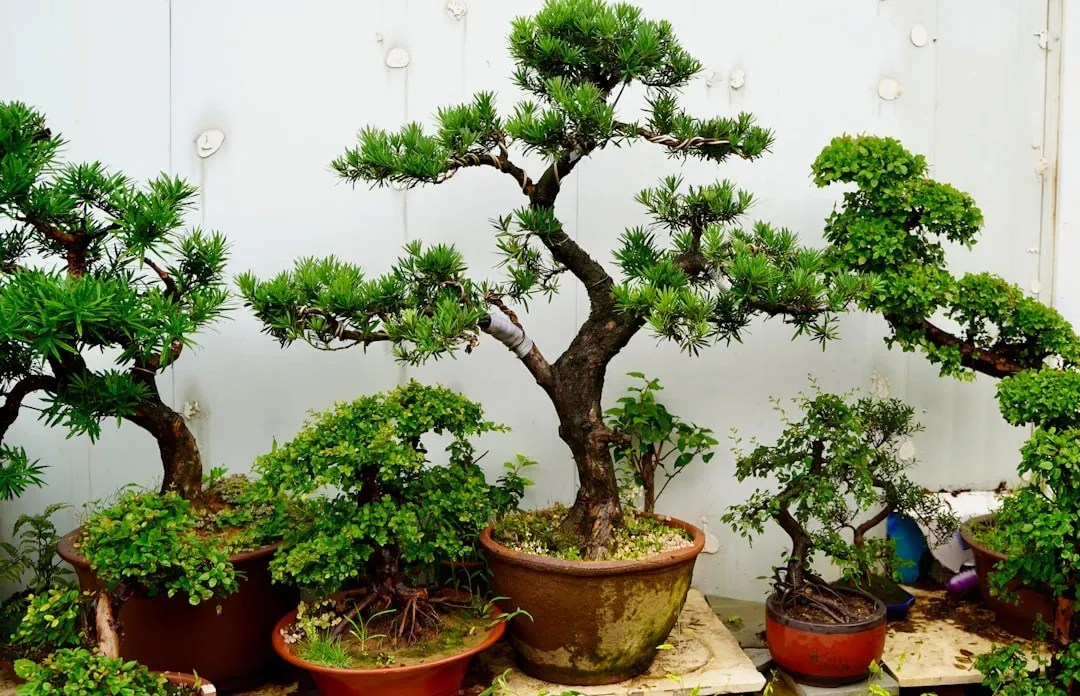
Finding quality bonsai trees for sale means knowing where to shop, understanding what healthy specimens look like, and seeing how pricing reflects true value. The best sources are specialized bonsai nurseries, whether online or local, offering species-appropriate care guidance, robust root systems, and clear expectations about your tree's age and development stage. Big box stores occasionally provide decent starter material, but they lack the expertise and quality control that dedicated retailers offer.
Table of Contents
- Where to Buy Bonsai Trees: Comparing Your Options
- Reputable Online Bonsai Retailers
- Local Nurseries and Specialty Bonsai Shops
- Big Box Stores: What You Should Know
- Essential Quality Indicators: What to Look For in a Healthy Bonsai
- Evaluating Trunk, Branches, and Overall Structure
- Checking Root Health and Soil Condition
- Foliage Health and Pest Detection
- Understanding Bonsai Pricing and Getting Good Value
- What Different Price Points Get You
- Avoiding Overpriced 'Beginner Kits' and Common Scams
- Best Times to Buy and Seasonal Considerations
- Making Your First Bonsai Purchase: A Practical Checklist
Where to Buy Bonsai Trees: Comparing Your Options
Your purchasing venue shapes everything from tree quality to the support you'll receive during those critical first months. Each option serves different needs, and honestly, where you buy matters as much as what you buy.
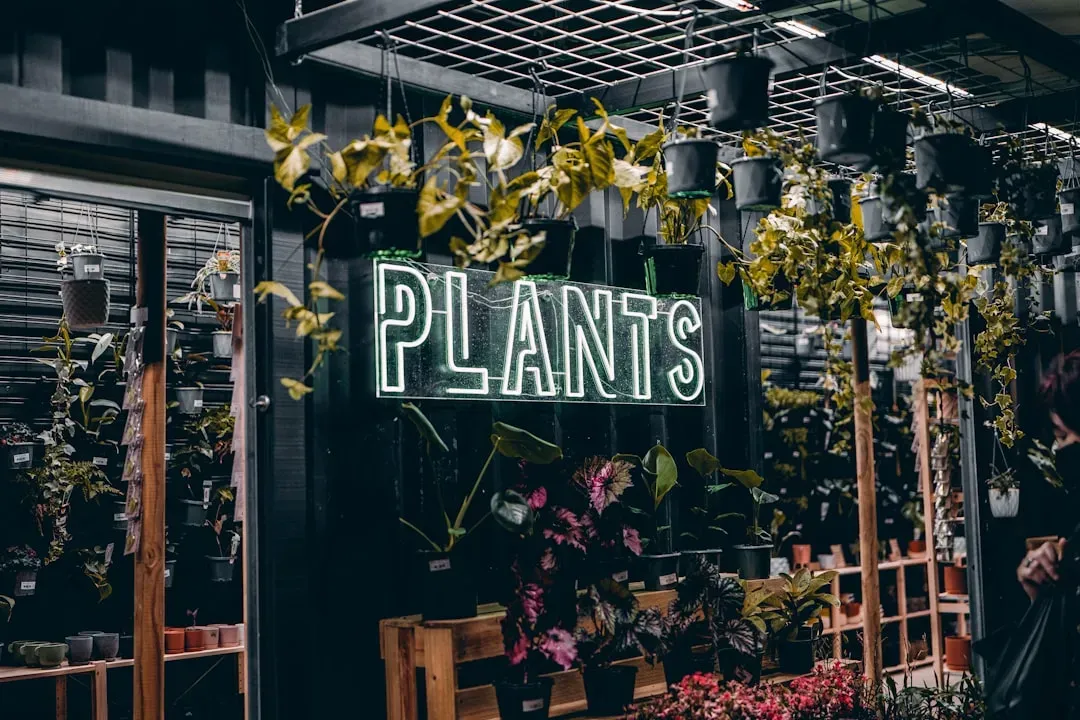
Bonsai Tree Purchasing Venues: Key Characteristics Comparison
| Purchasing Venue | Inspection Before Purchase | Price Range | Selection Size | Expert Support | Best For |
|---|---|---|---|---|---|
| Reputable Online Retailers | Photos and descriptions only | $50-$300+ | Large catalog | Email/phone support | Specific species, convenience, warranty |
| Local Specialty Nurseries | Full in-person inspection | $40-$250 | Limited selection | In-person consultation | Beginners, relationship building, immediate pickup |
| Big Box Stores | Full in-person inspection | $20-$50 | Very limited (junipers, ficus) | Minimal/none | Budget-conscious beginners, learning trees |
Reputable Online Bonsai Retailers
Established online retailers like Brussel's Bonsai, Eastern Leaf, and Bonsai Boy have built reputations over decades by shipping healthy trees with clear care instructions. These specialists photograph actual inventory, specify exact dimensions and age, and guarantee live arrival with replacement policies (according to industry standards for online plant retailers). Look for retailers who've operated for at least five years, display customer reviews prominently, and provide species-specific care sheets with purchase.
Shipping concerns are legitimate, but reputable sellers pack trees to survive transit. They ship during moderate weather, use breathable materials, and include moisture retention for the root ball. Well, the main risk isn't shipping damage but receiving a tree that doesn't match your climate or indoor conditions, which is why detailed species information matters more than shipping speed.
The downside? You can't inspect the trunk taper, surface roots, or branch structure before committing. Customer service responsiveness becomes critical here. Test it by asking specific questions before purchase.
Local Nurseries and Specialty Bonsai Shops
Walking into a dedicated bonsai nursery gives you immediate advantages that online shopping can't match. You'll handle multiple trees, compare trunk thickness, check soil moisture yourself, and leave with your purchase the same day. More importantly, you're building a relationship with someone who can answer questions when your ficus drops leaves in February or your juniper shows browning tips.
Finding local options requires some detective work. Search for bonsai societies in your region, they maintain lists of reputable nurseries and often host sales events. Ask staff about their experience level, how they source trees, and whether they offer follow-up consultations. A quality shop will inquire about your growing conditions before recommending species.
The selection might be smaller than online catalogs, but what you see is exactly what you get.
Big Box Stores: What You Should Know
Home Depot and Lowe's occasionally stock bonsai, usually mass-produced junipers and ficus in ceramic pots. These trees serve as acceptable starter material if you understand their limitations. The staff rarely knows bonsai-specific care, the soil is often dense and poorly draining, and age claims are wildly optimistic marketing rather than actual cultivation time.
That said, I've seen beginners succeed with big box junipers after immediate repotting into proper bonsai soil. The trees are inexpensive enough that mistakes won't devastate your budget. Inspect carefully for pests, check that the soil isn't bone dry or waterlogged, and verify the species matches your indoor or outdoor growing space.
These venues work best when you view them as raw material sources rather than finished bonsai. The $30 juniper becomes a learning tree, not an heirloom.
Essential Quality Indicators: What to Look For in a Healthy Bonsai
A healthy tree shows its condition through specific, observable characteristics. Learning to read these signs prevents expensive mistakes and frustrating failures during your first year.
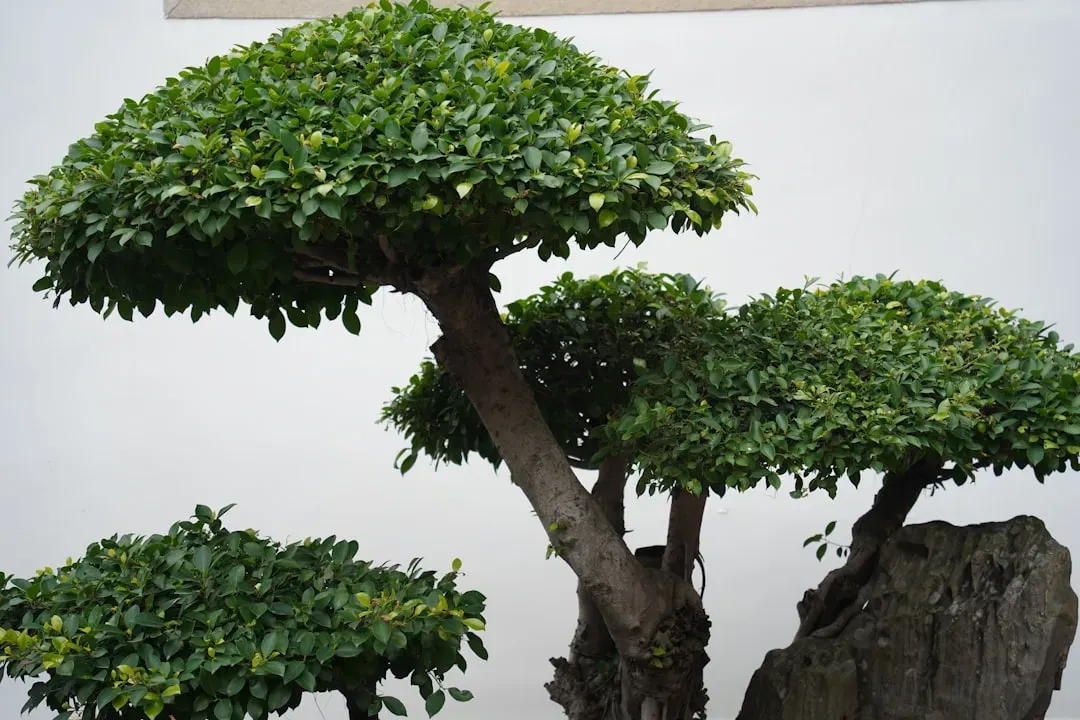
Health Indicators Checklist: What to Evaluate in a Bonsai
| Health Category | What to Look For | Red Flags to Avoid |
|---|---|---|
| Trunk & Structure | Gradual taper from base to apex; appropriate bark texture; thick trunk with refined ramification | Thin trunk, uniform diameter, deep wire scars, lack of visual maturity |
| Branches | Primary branches at varying heights creating depth; minor wire scars acceptable | Sparse branching, branches all at same level, heavy gouges indicating neglect |
| Roots | Visible surface roots (nebari); well-draining bonsai soil; moist but not waterlogged | Bone dry soil, waterlogged medium, roots circling pot, dense non-draining soil |
| Foliage | Vibrant color appropriate to species; dense, healthy leaf size; no visible pests | Yellowing leaves, dropped foliage, brown tips, visible insects, sparse growth |
Evaluating Trunk, Branches, and Overall Structure
The trunk should taper gradually from base to apex, creating visual interest and suggesting age. Look for bark texture appropriate to the species, rough and fissured on older pines, smooth on young maples. A good bonsai displays a thick trunk that tapers toward the top, creating a sense of maturity (according to Bonsai Empire standards for evaluating tree quality).
Branch placement matters more than quantity. Primary branches should emerge at different heights, creating depth when viewed from the front. Check for wire scars, which appear as indentations where training wire cut into bark. Minor scars are acceptable on developing trees, but deep gouges indicate neglect.
Realistic expectations align with price. A $40 tree will have basic structure and thin branches. A $150 specimen should show refined ramification and established character.
Checking Root Health and Soil Condition
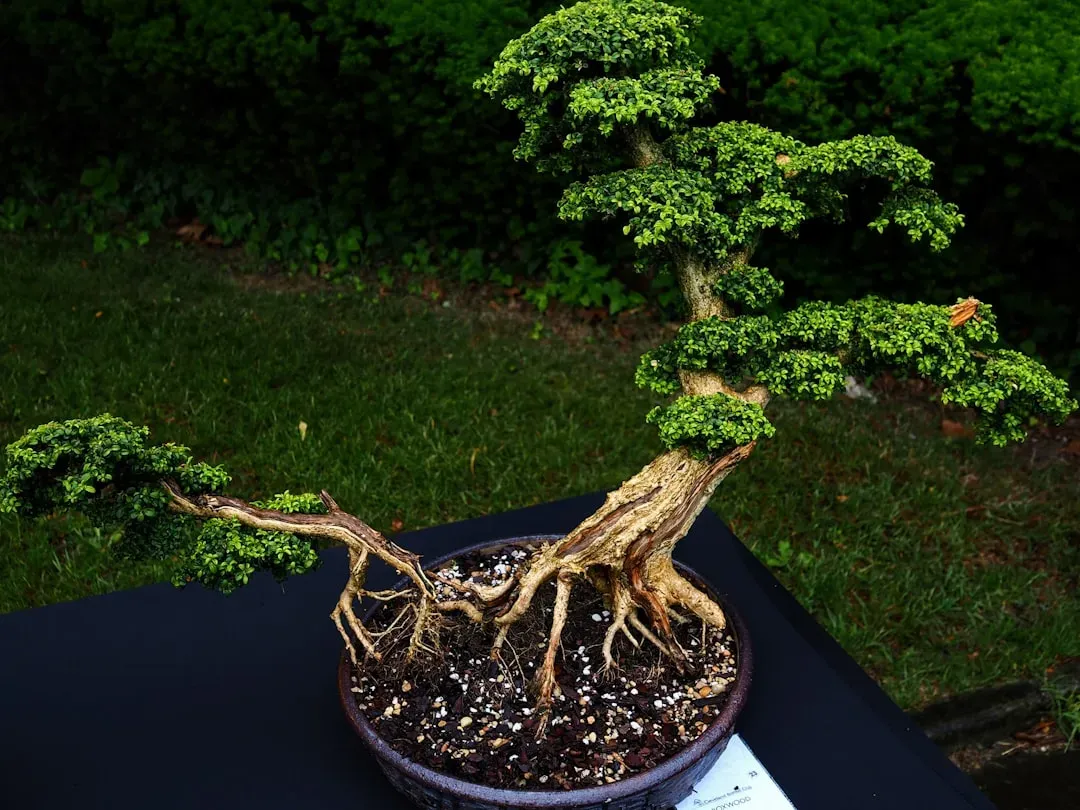
Nebari, the visible surface roots radiating from the trunk base, indicates proper root development and adds visual stability. Healthy surface roots should appear firm and well-distributed around the trunk, not mushy or rotting (according to Gardening Know How guidelines for bonsai evaluation). Gently press the soil surface to check for roots just below, they should feel firm and spread outward rather than circling the pot.
Soil quality reveals how well the tree has been maintained. Proper bonsai soil looks coarse and granular, allowing you to see individual particles. It should feel barely moist when you press your finger knuckle-deep, never soggy or completely dry. Dense, mud-like soil or standard potting mix indicates the tree needs immediate repotting after purchase.
Drainage holes must be present and unobstructed. Tip the pot slightly to verify water can exit freely.
Foliage Health and Pest Detection
Healthy foliage shows consistent color and density appropriate to the species and season. Evergreens should display deep green needles or leaves with slight shine, while deciduous trees in active growth show vibrant, uniform coloring. Yellow or brown patches, sparse foliage, or premature leaf drop signal stress, disease, or pest problems.
Inspect leaf undersides and branch crotches for common pests. Spider mites leave fine webbing and stippled leaves. Scale appears as small brown bumps on stems. Aphids cluster near new growth. To be fair, minor pest presence is manageable, but heavy infestations indicate poor care and weakened trees.
Seasonal considerations affect what you'll see. Deciduous species purchased in fall will have fewer leaves, which is normal. Spring growth should appear vigorous and uniform. Winter dormancy means bare branches on maples and elms, not death.
Understanding Bonsai Pricing and Getting Good Value
Price reflects the years of training, species rarity, and artistic development invested in your tree. Understanding these factors helps you spend wisely rather than chase bargains that disappoint or splurge on features you don't yet need.
What Different Price Points Get You
Budget trees ($20-50) are typically young starter material, often three to five years from cuttings or seedlings despite marketing claims of greater age. They'll have basic trunk structure, minimal branch ramification, and require several years of training to develop character. These serve perfectly as learning trees where mistakes won't devastate your investment.
Mid-range trees ($50-150) show more refined development with established trunk taper, primary branch structure, and several years of training visible in their form. The price reflects actual cultivation time and more advanced styling. These suit committed beginners ready to maintain and refine existing work rather than start from scratch.
Premium specimens ($150-500+) display significant age, refined ramification, and artistic composition that took decades to achieve. Bonsai prices can range from $20 for young starter trees to thousands of dollars for mature specimens trained for decades (according to Bonsai Empire's pricing analysis). These trees are for practitioners who understand care requirements and want to maintain masterwork-level material.
Your first purchase should match your commitment level. Starting with a $40 juniper makes more sense than risking a $200 Japanese maple before you've mastered basic watering.
Avoiding Overpriced 'Beginner Kits' and Common Scams
Mall kiosks and online marketers exploit newcomers with inflated age claims and artificial scarcity. A "20-year-old rare Japanese bonsai" selling for $60 is actually a three-year-old cutting of a common species with creative marketing. Legitimate 20-year-old trained specimens cost hundreds or thousands of dollars.
Beginner kits bundled with cheap tools, poor-quality soil, and generic care instructions rarely provide good value. The scissors dull quickly, the wire is wrong gauge, and the "bonsai fertilizer" is overpriced standard plant food. Buy trees and tools separately from reputable sources.
Here's the thing: if the seller emphasizes mystique, ancient Japanese secrets, or miraculous growth claims, walk away. Legitimate retailers discuss species characteristics, care requirements, and realistic development timelines.
Best Times to Buy and Seasonal Considerations
Spring offers the widest selection as nurseries stock up for the growing season. Fall sales clear inventory before winter, sometimes offering discounts on healthy material. Buying dormant deciduous trees in late winter costs less but requires patience until spring growth confirms health.
Seasonal availability varies by species. Tropicals ship year-round, but cold-hardy species ship best during moderate weather. Summer heat stresses trees during shipping, winter freezing risks damage.
Making Your First Bonsai Purchase: A Practical Checklist
Your first bonsai should be a species that tolerates your growing conditions and forgives beginner mistakes while you develop observational skills and consistent care routines.
For outdoor growing, juniper remains the most forgiving option for beginners (according to Iowa State University Extension recommendations for new practitioners). Chinese elm adapts to both indoor and outdoor conditions in moderate climates. For indoor cultivation, ficus is the most successful tropical species (according to Iowa State University research on indoor bonsai success rates).
Ask sellers these specific questions: What are this species' light requirements? How often does it typically need water in my climate? Is this an indoor or outdoor tree? What's included with purchase, care instructions, soil information, species identification? What's your return policy if the tree arrives damaged or dies within the first month?
Your purchase should include the tree in an appropriate pot with drainage holes, basic care instructions specific to the species, and clear identification of the botanical name. Reputable sellers provide their contact information for follow-up questions.
Shipping expectations matter for online purchases. Trees should arrive within 3-5 days of shipment with tracking information provided. The packaging should include moisture retention for roots, protection for branches, and breathing holes in the box. Inspect immediately upon arrival and document any damage with photos before contacting the seller.
Return and guarantee policies vary, but quality retailers offer live arrival guarantees and 30-day health warranties. Read the fine print about what voids coverage, usually neglect like forgetting to water or placing tropical species outdoors in freezing weather.
I bought my first bonsai—a juniper procumbens—from a big-box garden center in late August, drawn purely by its dramatic twisted trunk. Within two weeks, half the foliage had browned because I didn't realize the previous owner had kept it outdoors, and I'd placed it on my kitchen windowsill where it received maybe three hours of filtered light. That $40 tree taught me a $400 lesson: always ask where the tree has been living and what conditions it actually needs, not what looks appealing on a shelf.
After bringing your tree home, place it in appropriate light conditions immediately, water only when the soil surface begins to dry, and resist the urge to repot or heavily prune for at least several weeks. Let the tree acclimate to its new environment while you observe its growth patterns and water needs. Your relationship with this tree begins with patience, attention, and realistic expectations about the years ahead.
Related Articles
- Complete Guide to Bonsai Trees: Care, Types & Growing Tips
- Bonsai Tree Types: 15+ Species for Every Skill Level
- Bonsai Tree Care: Complete Maintenance Guide for Beginners
- Indoor Bonsai Trees: Best Species & Care Requirements
- Bonsai Tree Care: Expert Guide to Watering, Pruning & Maintenance
- Japanese Maple Bonsai: Care Guide & Styling Tips
Frequently Asked Questions
Is it safe to buy bonsai trees online, and what should I do if it arrives damaged?
Yes, reputable online retailers like Brussel's Bonsai and Eastern Leaf ship safely using breathable materials and moisture retention. Most established sellers offer live arrival guarantees with replacement policies, so contact customer service immediately with photos if your tree arrives damaged—they'll typically replace it at no cost.
How can I find a local bonsai nursery near me?
Search for bonsai societies in your region—they maintain lists of reputable local nurseries and often host sales events. You can also search online for "specialty bonsai shops" or "bonsai nurseries" in your area, then call ahead to confirm they have inventory and knowledgeable staff.
Are bonsai trees from big box stores like Home Depot worth buying?
They can work as affordable starter material if you understand their limitations: staff lack bonsai expertise, soil is often poorly draining, and age claims are inflated. Success requires immediate repotting into proper bonsai soil and careful pest inspection, but the low cost makes them acceptable for learning.
What price range should I expect to pay for a quality bonsai tree?
Reputable online retailers typically charge $50-$300+, while local specialty nurseries range from $40-$250, and big box stores offer budget options at $20-$50. Higher prices generally reflect better tree quality, proper development stage, and included care guidance rather than just size.
What questions should I ask before buying from an online bonsai retailer?
Test their customer service by asking species-specific care questions before purchase. Also inquire about their shipping timeline, live arrival guarantee, return policy, and request clarification on the tree's exact age and current dimensions to ensure it matches your expectations.
Should I buy from a local nursery or online retailer?
Choose local nurseries if you're a beginner or want to build an ongoing relationship with an expert who can answer future questions. Choose online retailers if you're seeking a specific species, want a larger selection, or value convenience—just verify they've operated for at least five years with strong customer reviews.
What are the main red flags to avoid when buying a bonsai tree?
Avoid overpriced 'beginner kits,' retailers without clear return policies, and sellers who can't provide species-specific care information. Also inspect trees in-person (when possible) for pests, check that soil isn't bone dry or waterlogged, and verify the species matches your climate and indoor conditions.
Is there a best time of year to buy bonsai trees?
Yes—buy during moderate weather seasons (spring and fall) to minimize shipping stress and ensure the tree arrives in optimal condition. Avoid winter purchases from online retailers due to cold transit risks, though local nurseries may have climate-controlled options year-round.