Indoor Bonsai Tree Care: Complete Guide for Healthy Trees
Indoor bonsai tree care demands understanding one fundamental truth: most bonsai are outdoor trees that need natural seasonal cycles, while true indoor bonsai are tropical or subtropical species adapted to consistent warmth and humidity. Success comes from choosing the right species for your environment, then establishing daily observation habits for watering, ensuring adequate light (typically south-facing windows or grow lights), and maintaining higher humidity than most homes naturally provide. Your indoor tree will thrive when you match its care to its tropical origins rather than forcing an outdoor species to survive in unnatural conditions.
Table of Contents
- Understanding Indoor Bonsai: What Makes Them Different
- The Indoor Bonsai Myth: Separating Fact from Fiction
- Best Species for True Indoor Success
- Setting Realistic Expectations for Your Indoor Environment
- Essential Daily and Weekly Care Routines
- Watering: Getting the Timing and Technique Right
- Light Requirements: Finding and Creating the Right Spot
- Humidity and Temperature: Creating a Comfortable Environment
- Feeding, Pruning, and Maintenance Through the Seasons
- Fertilizing Your Indoor Bonsai: What, When, and How Much
- Pruning and Shaping: Maintaining Form and Encouraging Growth
- Repotting: Timing, Technique, and Soil Selection
- Troubleshooting Common Problems and Recovery Strategies
- Identifying and Fixing Watering-Related Issues
- Dealing with Pests and Diseases Indoors
- Reviving a Struggling Tree: Is It Too Late?
- Creating a Sustainable Long-Term Care Plan
Understanding Indoor Bonsai: What Makes Them Different
Most bonsai sold at garden centers and big-box stores are outdoor trees marketed as houseplants. This creates widespread confusion and disappointment when junipers, maples, and pines decline indoors despite careful attention. The reality is straightforward: temperate species require winter dormancy and cannot survive permanent indoor conditions (according to Penn State Extension).
Indoor vs. Outdoor Bonsai: Key Differences and Requirements
| Characteristic | True Indoor Bonsai (Tropical) | Outdoor Bonsai (Temperate) |
|---|---|---|
| Natural Climate Origin | Tropical/subtropical regions | Temperate zones |
| Winter Dormancy | None - grow year-round | Required for survival |
| Indoor Survival | Can thrive indoors permanently | Dies within months indoors |
| Temperature Preference | Consistent warmth (60-75°F) | Requires cold winter period |
| Humidity Requirements | 50-60% preferred | Lower humidity tolerance |
| Common Species Examples | Ficus, Jade, Hawaiian Umbrella | Juniper, Japanese Maple, Pine |
| Light Needs | Tolerate lower indoor light | Require intense natural light |
| Energy Management | Continuous growth uses steady energy | Dormancy conserves energy reserves |
The Indoor Bonsai Myth: Separating Fact from Fiction
The term "indoor bonsai" misleads beginners into believing any miniature tree can live on a windowsill year-round. True indoor bonsai are tropical or subtropical species that naturally grow in warm, humid climates without dormancy periods (according to USDA Forest Service). These trees tolerate, and sometimes prefer, the stable temperatures inside your home.
Temperate zone plants like Japanese maples, junipers, and pines need cold winter temperatures to enter dormancy. Without this rest period, they exhaust their energy reserves and die within months. Well, retailers rarely explain this distinction clearly, which is why so many first bonsai attempts fail before spring arrives.
The species that genuinely thrive indoors share characteristics: they originate from tropical regions, tolerate lower light than outdoor conditions provide, and grow continuously rather than entering seasonal dormancy.
Best Species for True Indoor Success
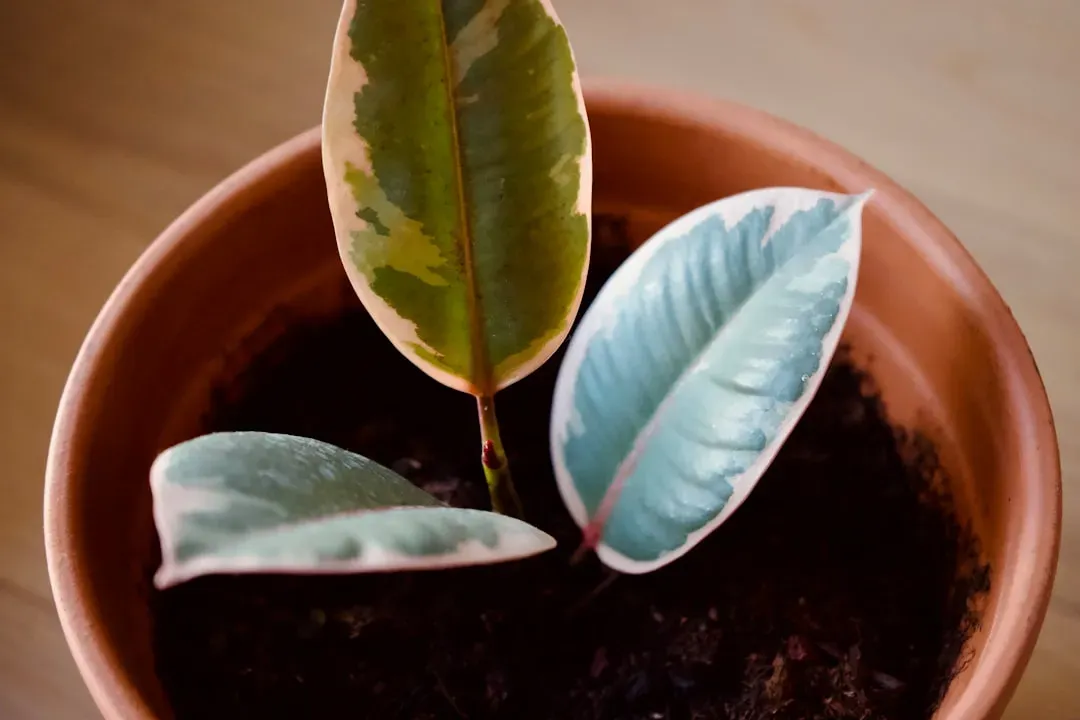
Ficus species (Ficus benjamina and Ficus retusa) rank as the most forgiving indoor bonsai for beginners. They tolerate variable watering better than most tropicals, recover from pruning mistakes quickly, and adapt to typical household humidity. Their thick trunks develop character relatively fast, giving you visible progress within two to three years.
Jade plants (Crassula ovata) offer succulent toughness with minimal water needs. They're nearly impossible to kill through underwatering and develop interesting, thick trunks naturally. However, they require very bright light and grow slowly, testing your patience if you expect rapid transformation (according to Michigan State University Extension).
Hawaiian umbrella trees (Schefflera arboricola) handle lower light conditions better than ficus while maintaining steady growth. Their compound leaves create fine texture, and they respond well to aggressive pruning. Sweet plum (Sageretia theezans) and natal plum (Carissa macrocarpa) work for intermediate growers who can provide consistent care, though they're less forgiving of neglect.
Chinese elm sometimes appears on indoor lists, but honestly, it performs better with outdoor summer growing and only tolerates indoor winter conditions in cold climates.
Setting Realistic Expectations for Your Indoor Environment
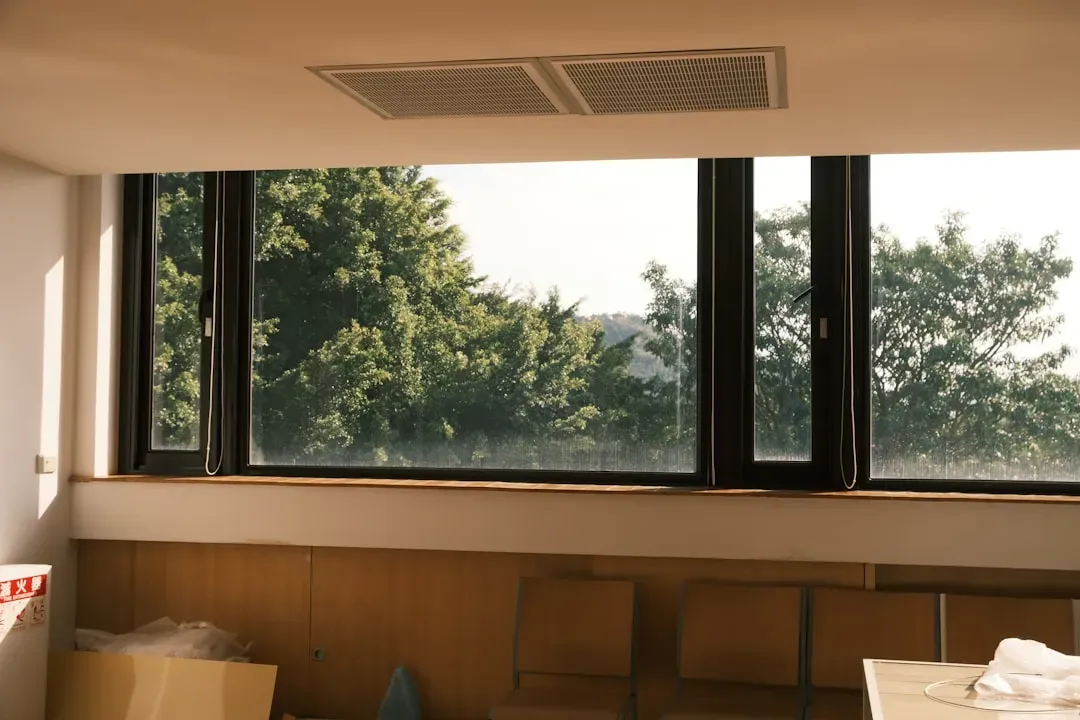
Assess your home's light before choosing a species. South-facing windows provide the brightest natural light, while north-facing windows often fail to support healthy growth without supplemental lighting. Hold your hand near the window at midday, if it casts a sharp shadow, you have adequate light for ficus or jade.
Indoor humidity typically ranges from 30 to 40 percent during winter heating, while tropical bonsai prefer 50 to 60 percent. You'll need humidity trays, frequent misting, or room humidifiers to bridge this gap. Temperature stability matters less than avoiding extreme fluctuations, keep your tree away from heating vents and drafty windows.
Your lifestyle determines success as much as your environment does. Indoor bonsai need daily attention during growing season, which means checking soil moisture every morning.
Essential Daily and Weekly Care Routines
Successful indoor bonsai care builds on consistent observation rather than rigid schedules. Your tree communicates its needs through subtle changes in foliage firmness, soil moisture, and growth patterns. Learning to read these signals takes a few weeks of daily attention, after which care becomes intuitive rather than stressful.
Indoor Bonsai Species Comparison: Suitability and Care Requirements
| Species | Origin/Type | Light Requirements | Water Tolerance | Humidity Needs | Growth Rate | Best For |
|---|---|---|---|---|---|---|
| Ficus (F. benjamina, F. retusa) | Tropical | Moderate to bright | Tolerates variable watering | Adapts to typical household | Moderate | Beginners - most forgiving |
| Jade Plant (Crassula ovata) | Succulent/Tropical | Very bright light required | Low - drought tolerant | Adapts to dry conditions | Slow | Low-maintenance growers |
| Hawaiian Umbrella Tree (Schefflera arboricola) | Tropical | Tolerates lower light | Moderate | Moderate to high | Steady | Intermediate growers |
| Sweet Plum (Sageretia theezans) | Tropical | Bright | Moderate | High (50-60%) | Moderate | Intermediate to advanced |
| Natal Plum (Carissa macrocarpa) | Tropical | Bright | Moderate | High (50-60%) | Moderate | Intermediate to advanced |
| Chinese Elm | Subtropical/Temperate | Bright | Moderate | Moderate to high | Moderate | Outdoor summer + indoor winter only |
Watering: Getting the Timing and Technique Right
Check your soil daily by pressing your finger a half-inch deep into the surface. Water thoroughly when the top layer feels barely moist rather than wet. During active growth in spring and summer, this typically means watering once daily for tropical species in well-draining soil (according to Penn State Extension).
The chopstick method provides more precise moisture readings than finger testing alone. Insert a wooden chopstick two inches into the soil and leave it there. Pull it out daily to check, if it emerges with damp soil clinging to it, wait another day before watering.
When you water, do it thoroughly until water flows freely from drainage holes. Partial watering creates dry pockets in the root ball that eventually kill feeder roots. Let the pot drain completely before returning it to its humidity tray, as standing water causes root rot within weeks.
Common watering mistakes kill more indoor bonsai than any other factor. Watering on a fixed schedule ignores seasonal growth changes and weather variations that affect evaporation rates. Misting foliage doesn't replace proper root watering, though it temporarily increases humidity.
Light Requirements: Finding and Creating the Right Spot
South-facing windows deliver the strongest natural light in the Northern Hemisphere, providing six to eight hours of direct or bright indirect light during winter months. West-facing windows work as secondary choices, especially during summer when the sun's angle changes.
Measure your light conditions by observing shadows. Sharp, defined shadows indicate bright light sufficient for ficus and jade. Soft, blurred shadows suggest moderate light that works for schefflera but may weaken more light-demanding species. If you can't read comfortably by natural light at midday, your bonsai can't photosynthesize effectively either.
Supplemental grow lights become necessary when window light proves inadequate. LED grow lights positioned 12 to 18 inches above your tree for 12 to 14 hours daily compensate for weak natural light. Full-spectrum bulbs work better than standard household LEDs, which lack the red and blue wavelengths plants use most efficiently.
Rotate your tree a quarter turn weekly to ensure all sides receive equal light exposure. One-sided growth develops quickly near windows, creating unbalanced branch development that takes years to correct through pruning.
Humidity and Temperature: Creating a Comfortable Environment
Indoor humidity drops dramatically during heating season, often reaching desert-like levels that stress tropical bonsai. Humidity trays, shallow trays filled with gravel and water positioned beneath your pot, create a microclimate around your tree as water evaporates. Keep water level below the pot bottom to prevent root rot (according to Michigan State University Extension).
Misting provides temporary humidity increases lasting 10 to 15 minutes but doesn't replace proper humidity management. Group multiple plants together to create a shared humid zone through collective transpiration, which works more effectively than misting individual trees.
Tropical bonsai prefer temperatures between 60 and 75 degrees Fahrenheit, with minimal fluctuation between day and night. They tolerate brief temperature drops to 50 degrees but suffer damage below that threshold.
Seasonal adjustments matter even indoors because day length and light intensity change throughout the year. Your tree grows more vigorously from March through August when natural light strengthens, then slows during shorter winter days.
Feeding, Pruning, and Maintenance Through the Seasons
Indoor bonsai respond to seasonal changes in light and temperature even when protected from outdoor weather extremes. Your maintenance routine should shift with these natural cycles, providing more nutrients and intervention during active growth periods while allowing relative rest during winter's shorter days.
Fertilizing Your Indoor Bonsai: What, When, and How Much
Liquid fertilizers diluted to half the recommended strength work best for indoor bonsai because they distribute evenly through the soil and allow precise control over nutrient delivery. Apply every two weeks during spring and summer when your tree actively produces new growth (according to Penn State Extension). Balanced formulas with equal NPK ratios (like 10-10-10) support overall health for most species.
Reduce fertilizing frequency to monthly during fall and stop completely during winter when growth slows dramatically. Continuing heavy fertilization during low-light months forces weak, leggy growth that lacks the compact form you're cultivating.
Signs of over-fertilizing include white salt crusts on soil surface, brown leaf tips, and unusually rapid growth with weak stems. Under-fertilized trees show yellowing older leaves, stunted growth, and gradual loss of vigor. Both problems correct within weeks once you adjust your feeding schedule appropriately.
Pruning and Shaping: Maintaining Form and Encouraging Growth
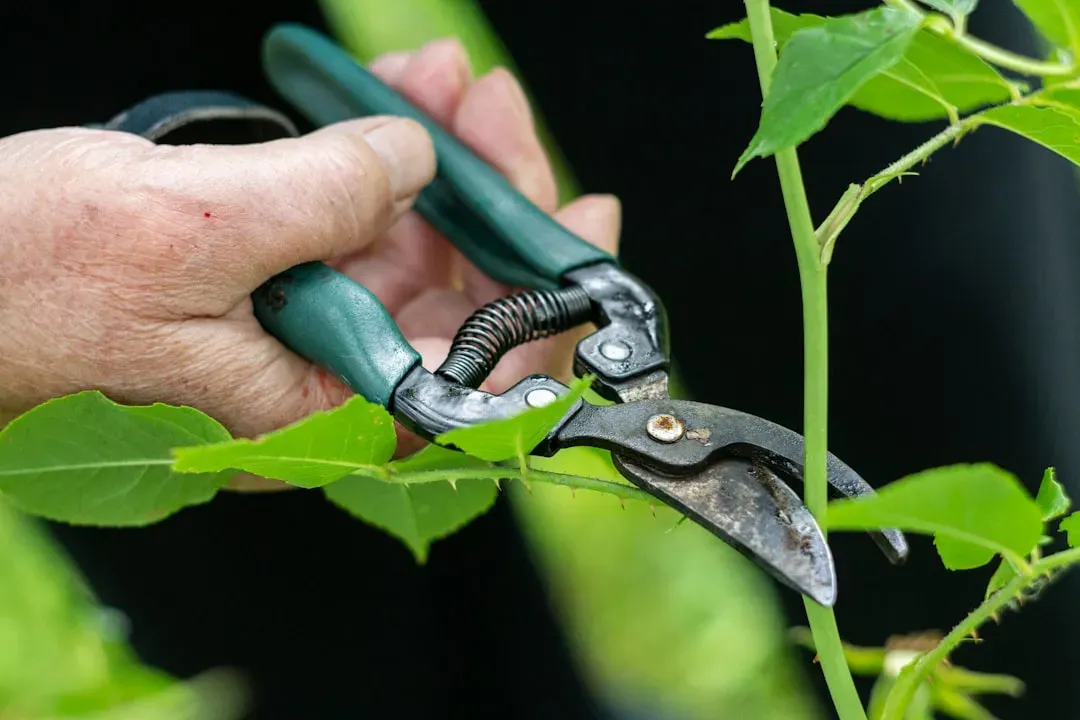
Maintenance pruning removes new growth that extends beyond your tree's established silhouette, keeping the form compact and encouraging back-budding near the trunk. Pinch or cut new shoots back to one or two leaves once they extend four to six leaves beyond the branch line. This regular trimming, needed every few weeks during active growth, maintains proportion without requiring major structural changes.
Structural pruning removes entire branches to improve the tree's basic framework and should happen during late winter or early spring before growth accelerates. Remove branches that grow straight up or down, cross other branches, or emerge from the trunk at awkward angles.
Dead leaves and branches require immediate removal regardless of season. Brown, crispy foliage hosts fungal spores and pests while wasting your tree's energy as it tries to support dying tissue. Use clean, sharp scissors to avoid crushing stems, and sterilize blades between trees to prevent disease transmission.
Basic wiring shapes branches by wrapping them with aluminum or copper wire, then gently bending them into desired positions. Wire during the growing season when branches flex without snapping, and remove it after two to three months before it cuts into expanding bark.
Repotting: Timing, Technique, and Soil Selection
Repot indoor bonsai every two to three years for most species, or when roots circle densely around the pot's interior and water drains slowly through compacted soil. Early spring provides ideal timing as lengthening days trigger new root growth that helps your tree recover quickly from the disturbance.
Proper bonsai soil drains freely while retaining adequate moisture between waterings. Mix akadama (fired Japanese clay), pumice, and lava rock in equal parts for tropical species, or use a commercial bonsai mix formulated for indoor trees. Avoid regular potting soil, which stays too wet and suffocates roots in shallow bonsai containers.
Remove your tree from its pot and use a root hook or chopstick to gently comb out the outer inch of root mass. Trim circling roots and remove up to one-third of the root ball's bottom portion, cutting cleanly with sharp shears. This root pruning stimulates new feeder root development close to the trunk where they support compact growth.
After repotting, water thoroughly and keep your tree in bright, indirect light for two weeks while roots reestablish. Skip fertilizing for a month to avoid burning damaged roots.
Troubleshooting Common Problems and Recovery Strategies
Most indoor bonsai problems announce themselves through foliage changes before becoming fatal. Quick identification and appropriate response save trees that would otherwise decline beyond recovery.
Identifying and Fixing Watering-Related Issues
Overwatering symptoms develop gradually as root rot progresses. Yellow leaves appear first on lower, older growth, followed by soft, mushy roots visible when you unpot the tree. The soil smells sour rather than earthy, and water pools on the surface instead of absorbing quickly. Immediate action requires removing the tree from its pot, cutting away all brown, mushy roots, and repotting in fresh, fast-draining soil.
Underwatering shows different signals, leaves become crispy and brown at the edges, then curl inward to conserve moisture. The soil pulls away from the pot's edges, creating gaps where water runs straight through without saturating the root ball. Soak the entire pot in room-temperature water for 10 minutes to rehydrate the root ball completely.
Dealing with Pests and Diseases Indoors
Spider mites appear as tiny moving dots on leaf undersides, leaving fine webbing between branches and causing stippled, yellowing foliage. They thrive in dry indoor conditions and multiply rapidly in warm temperatures. Spray your tree thoroughly with water every few days to disrupt their lifecycle, or apply insecticidal soap following label directions for indoor use.
Scale insects look like small brown bumps attached to stems and leaf undersides. Remove visible scale manually with a soft toothbrush dipped in rubbing alcohol, then apply horticultural oil to smother any remaining insects and eggs.
Prevention works better than treatment for indoor pest problems. Inspect new plants carefully before bringing them near your bonsai collection. Maintain adequate humidity to discourage spider mites, and ensure good air circulation to prevent fungal issues.
Reviving a Struggling Tree: Is It Too Late?
Assess your tree's viability by scratching a small section of bark with your fingernail. Green cambium underneath indicates living tissue that can recover with proper care. Brown, dry cambium suggests that section has died, though other branches may still be viable.
Trees with at least 30 percent green foliage and some viable roots can usually recover over several months. Move the tree to bright, indirect light to reduce stress while it rebuilds energy reserves. Water carefully to keep soil barely moist but not wet, as damaged roots can't process normal moisture levels. Skip fertilizing until you see new growth emerging, which signals the tree has stabilized.
Remove all dead branches and foliage to help your tree focus resources on surviving tissue. Recovery takes patience, expect three to six months before your tree resumes normal growth patterns.
Some trees decline too far for recovery. If no green shows under the bark anywhere on the trunk, if all leaves have dropped and no buds remain, or if the entire root system has rotted to mush, the tree has died.
I once brought back a Chinese elm that looked completely gone—every leaf dropped, branches brittle as straw. But when I scraped the bark with my thumbnail near the base, I found a thin line of green cambium still alive. I pruned away the dead wood, adjusted its watering, and six months later it pushed out tiny new shoots from the trunk, teaching me that even near-death trees can surprise you if any living tissue remains.
Creating a Sustainable Long-Term Care Plan
Long-term success with indoor bonsai comes from establishing routines that fit your lifestyle rather than requiring constant adjustment. Your care plan should accommodate seasonal changes, your travel schedule, and realistic time commitments while keeping your tree healthy through years of development.
Build your daily routine around morning observation, which takes five minutes once you've developed the habit. Check soil moisture, inspect for pest activity, rotate the pot if needed, and remove any fallen leaves. This consistent attention catches problems early when they're easily corrected, and look, it becomes as automatic as making coffee once you've done it for a few weeks.
Schedule weekly tasks on the same day to maintain consistency: fertilizing during growing season, deeper inspection of branch structure, and cleaning humidity trays. Monthly maintenance includes checking wire tension if you're shaping branches, assessing overall health trends, and adjusting care based on seasonal changes in growth rate and light availability.
Plan for absences by arranging backup care with someone who understands basic watering needs, or invest in automatic watering systems for trips longer than a week. Well, most indoor bonsai tolerate three to four days without attention if you water thoroughly before leaving.
Document your tree's development with photos every few months to track progress that's invisible day-to-day. Note major interventions like repotting, significant pruning, or pest treatments in a simple log. This record helps you identify patterns in your tree's growth cycles and refine your care approach based on results rather than guesswork.
Your relationship with your bonsai deepens as you learn its specific responses to care over multiple seasons. The tree that seemed demanding as a beginner becomes predictable and manageable once you've observed its patterns through a full year. This accumulated knowledge, not any special talent, separates successful long-term bonsai growers from those who give up after initial struggles.
"The most successful bonsai enthusiasts are those who keep detailed records of their trees' care and development," says Boon Manakitivipart, internationally recognized bonsai master and instructor at Bonsai Boon in California. "These records become invaluable references that help you understand each tree's individual needs and seasonal patterns."
Related Articles
- Indoor Bonsai Trees: Best Species & Care Requirements
- How to Water Bonsai Trees: Complete Watering Guide
- Bonsai Tree Repotting: Step-by-Step Guide & Best Practices
- Bonsai Tree Types: 15+ Species for Every Skill Level
- Bonsai Tree Wiring: Techniques for Shaping & Training
- Japanese Maple Bonsai: Care Guide & Styling Tips
Frequently Asked Questions
Can I keep a juniper or Japanese maple bonsai indoors year-round?
No. Junipers, Japanese maples, and pines are temperate species that require winter dormancy to survive. Without a cold rest period, they exhaust their energy reserves and die within months indoors. These outdoor bonsai need to be placed outside or in an unheated space during winter to thrive long-term.
What are the best bonsai species for indoor growing?
True indoor bonsai are tropical or subtropical species like Ficus (most forgiving for beginners), Jade plants (succulent and nearly unkillable), and Hawaiian umbrella trees (tolerant of lower light). These species naturally grow year-round without dormancy and adapt well to consistent indoor temperatures and humidity.
How much light does an indoor bonsai need?
Indoor bonsai typically need bright, indirect light from a south-facing window or supplemental grow lights. While tropical species tolerate lower light than outdoor bonsai, they still require adequate illumination to maintain healthy growth and leaf color throughout the year.
How often should I water my indoor bonsai?
Watering frequency depends on your specific species, pot size, and home conditions—there's no universal schedule. Establish a daily observation habit by checking soil moisture with your finger; water when the top layer feels slightly dry. Most indoor bonsai prefer consistently moist (not waterlogged) soil.
What humidity level do indoor bonsai need?
True indoor bonsai prefer 50-60% humidity, which is higher than most homes naturally provide. You can increase humidity by misting the foliage, placing the pot on a humidity tray with water and pebbles, or grouping multiple plants together.
Is it too late to save a struggling indoor bonsai?
Recovery depends on the severity of the problem and how long the tree has been declining. The article addresses revival strategies in its troubleshooting section, but early intervention is key—monitor your tree daily for signs of stress like yellowing leaves or pest damage to catch problems before they become irreversible.
How often should I repot my indoor bonsai?
The article covers specific repotting timing and techniques in the maintenance section. Generally, fast-growing tropical species need repotting annually in spring, while slow growers like jade plants may only need repotting every 2-3 years. Use well-draining bonsai soil to prevent root rot.
What's the difference between 'indoor bonsai' sold in stores and true indoor bonsai?
Most garden center bonsai are actually outdoor temperate species (like junipers) marketed misleadingly as houseplants. True indoor bonsai are tropical species that can genuinely thrive indoors year-round. Understanding this distinction is crucial to avoiding disappointment and choosing a species suited to your home environment.