Bonsai Tree Growth: Understanding Development Stages
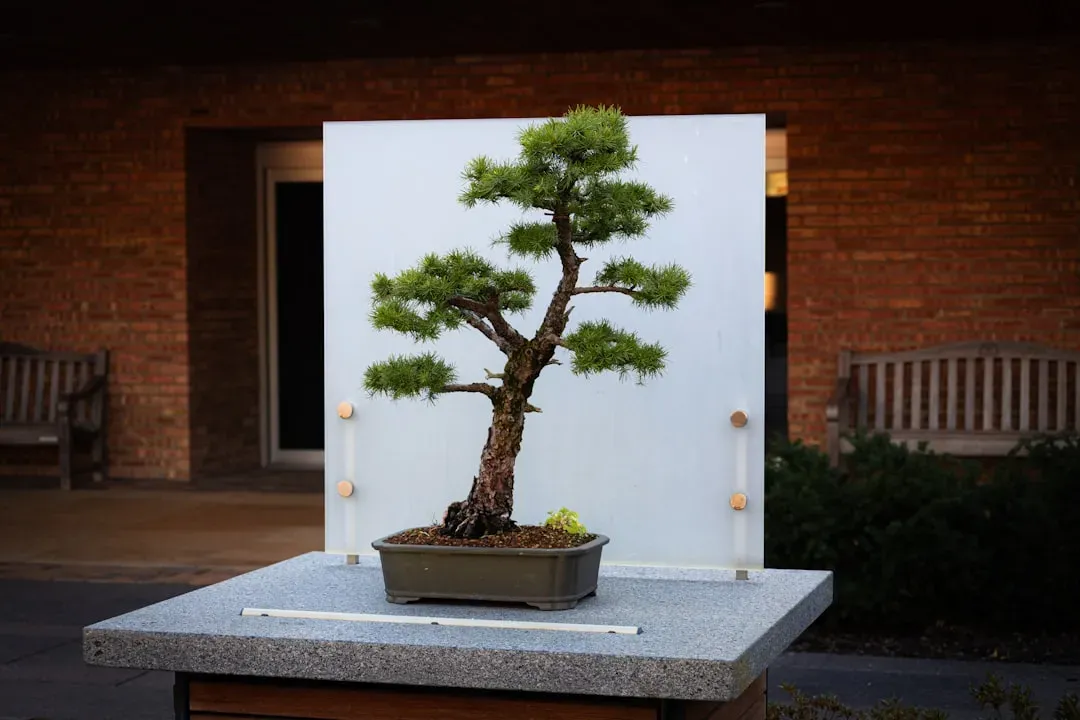
Bonsai development unfolds through three distinct phases, structural development, refinement, and maintenance, each requiring different techniques, timelines, and expectations. Understanding where your tree sits in this progression determines everything from pruning strategy to pot size to feeding intensity. The structural phase builds trunk thickness and root base over 5-20 years depending on starting material, the refinement phase develops branch ramification over 3-8 years, and the maintenance phase preserves the achieved design through ongoing adjustments. Your success depends on matching your cultivation approach to your tree's current developmental stage, not its calendar age.
Table of Contents
- The Three Core Phases of Bonsai Development
- Why Development Stages Matter More Than Age
- How Your Starting Material Determines Your Timeline
- The Structural Development Phase: Building Your Foundation
- Primary Goals: Trunk, Taper, and Root Development
- Techniques That Accelerate Structural Growth
- Recognizing When Your Tree Is Ready to Transition
- The Refinement Phase: Developing Branch Structure and Ramification
- From Sacrifice Branches to Intentional Structure
- Building Ramification: The Art of Fine Branching
- Common Refinement Mistakes That Stall Progress
- The Maintenance Phase: Preserving Your Mature Bonsai
The Three Core Phases of Bonsai Development
Bonsai cultivation follows a progression that many beginners misunderstand. The art isn't about keeping trees small from the start, but about guided development that creates mature tree characteristics in miniature (according to Japanese Gardening). Each phase has specific goals that must be completed before moving forward, and rushing through them produces poorly proportioned trees that never quite look right.
Bonsai Development Phases: Timeline, Goals, and Techniques
| Development Phase | Primary Goals | Typical Duration | Key Techniques | Readiness Indicators |
|---|---|---|---|---|
| Structural Development | Trunk thickness, taper, nebari (surface roots), root base | 5-20 years (varies by starting material) | Unrestricted growth, heavy feeding, large containers/ground planting, minimal pruning | Trunk diameter relative to height, established taper, nebari spread, bark maturation |
| Refinement | Branch ramification, detailed branch structure, fine branching | 3-8 years | Sacrifice branches, intentional pruning, candle pruning (conifers), progressive ramification | Sufficient trunk thickness for intended height, mature bark, established primary structure |
| Maintenance | Preserve achieved design, ongoing adjustments, shape retention | Ongoing (indefinite) | Careful pruning, selective adjustments, seasonal care, wiring refinement | Mature bonsai form established, structural goals met |
The structural development phase establishes trunk thickness, taper, and nebari, the visible surface roots. The refinement phase builds detailed branch structure and ramification. The maintenance phase preserves the design through careful ongoing work. Trees can move between these phases, honestly, even backwards if major redesign becomes necessary or if neglect requires rebuilding lost structure.
Why Development Stages Matter More Than Age
A twenty-year-old tree can still be in early development if its trunk hasn't reached sufficient thickness for its intended height. Meanwhile, a five-year-old tree started from quality nursery stock might already be ready for refinement work. Development stage is determined by structural progress, not time elapsed since planting.
Your tree's readiness to transition between phases shows in specific visual indicators. Trunk thickness relative to height, established taper, nebari spread, and bark maturation all signal developmental progress. You can work on different sections simultaneously, continuing trunk development while beginning branch refinement on established areas. This flexibility allows you to address multiple needs as the tree's structure emerges.
I learned this lesson the hard way with a trident maple I started from a cutting in 2003. By 2010, I'd convinced myself its seven years meant it was ready for detailed ramification work, but the trunk measured barely an inch at the base—far too thin for the twelve-inch height I was after. Meanwhile, a Japanese black pine I'd bought as three-year-old nursery stock in 2008 had the two-inch trunk and established nebari that let me begin branch selection within eighteen months. The cutting needed five more years of aggressive growth in the ground; the nursery tree was already teaching me about candle pruning.
How Your Starting Material Determines Your Timeline
Starting from seed requires 10-15 years minimum before first styling, as you must develop trunk thickness from nothing. Nursery stock typically needs 3-7 years of development work, since commercial growers prioritize height over trunk character. Pre-bonsai material from specialty growers may reach refinement in 1-3 years, having already undergone initial structural development.
Yamadori, trees collected from nature, vary widely in their timeline. Some ancient collected material enters refinement immediately, while others need years recovering from collection stress before any developmental work begins. Setting realistic expectations based on your starting point prevents frustration and premature styling attempts that compromise long-term results. The development phase can take anywhere from 5-20+ years depending on species and starting material (according to BonsaiNut community discussions).
The Structural Development Phase: Building Your Foundation
This first phase focuses entirely on trunk thickness, taper, and root base development. These structural elements cannot be effectively developed later, making this the foundation of everything that follows. The approach seems counterintuitive to beginners: you let trees grow vigorously rather than restricting them.
Starting Material Impact on Development Timeline
| Starting Material Type | Initial Structural State | Time to Refinement Phase | Development Considerations |
|---|---|---|---|
| Seed | Minimal—must develop trunk from nothing | 10-15+ years minimum | Longest timeline; complete control over development but requires patience |
| Nursery Stock | Moderate—height prioritized over trunk character | 3-7 years | Requires significant structural work; commercially grown for different purposes |
| Pre-bonsai (Specialty Grower) | Advanced—initial structural development already underway | 1-3 years | Fastest path to refinement; higher cost but accelerated timeline |
| Yamadori (Collected from Nature) | Highly variable—depends on age and collection stress | Immediate to several years | Ancient material may enter refinement immediately; recovery time varies; unpredictable timeline |
To develop a thick trunk and proper taper, growers often plant trees in the ground or large containers and allow unrestricted growth for several years (according to Bonsai Empire). Heavy feeding during the growing season, minimal pruning, and large growing spaces all accelerate trunk thickening. This phase requires patience because rushing produces tall, thin trunks that lack the visual weight of mature trees.
Primary Goals: Trunk, Taper, and Root Development
Trunk thickness must match your intended final height. A general guideline suggests trunk diameter at the base should be roughly one-sixth of the tree's height for deciduous species, though conifers can work with slightly thinner proportions. Taper, the gradual narrowing from base to apex, creates the illusion of age and maturity.
Nebari development happens during this phase or not at all. You can't develop good surface roots once the trunk has hardened and lignified (according to BonsaiNut). Root pruning, directional root training, and ground layering techniques all establish the radial root spread that anchors the visual design. Well, these three elements, trunk, taper, and nebari, form the unchangeable structure that determines your tree's ultimate quality.
Techniques That Accelerate Structural Growth
Sacrifice branches are allowed to grow freely to thicken the trunk below them, then are removed once they've served their purpose (according to Bonsai Empire). Maximum trunk thickening occurs when roots grow freely in the ground or very large containers, combined with heavy fertilization during the growing season (according to Bonsai4Me). Slip-potting, moving trees to larger containers without root pruning, maintains growth momentum while keeping trees manageable.
During this phase, you're not creating a bonsai yet. You're building raw material. Unrestricted growth periods, sometimes lasting entire seasons without any pruning, allow the tree to generate the energy needed for significant structural development, this patience pays dividends later, creating proportions that cannot be achieved through shortcuts.
Recognizing When Your Tree Is Ready to Transition
Visual cues signal readiness for refinement. Once the desired trunk thickness and taper are achieved, visible through proper proportions with intended height, the tree is ready for pot reduction and refinement work (according to Bonsai4Me). Mature bark characteristics begin appearing. The nebari spreads to meet your design goals, with roots radiating evenly from the trunk base.
You can begin refinement work on some branches while continuing trunk development in specific areas. The transition isn't a single moment but a gradual shift in cultivation strategy.
The Refinement Phase: Developing Branch Structure and Ramification
Once structural elements are established, your focus shifts to detailed branch development. During development, pruning is minimal and strategic; during refinement, pruning becomes frequent and detailed to build branch ramification (according to Japanese Gardening). This phase transforms raw structure into the refined image of a mature tree.
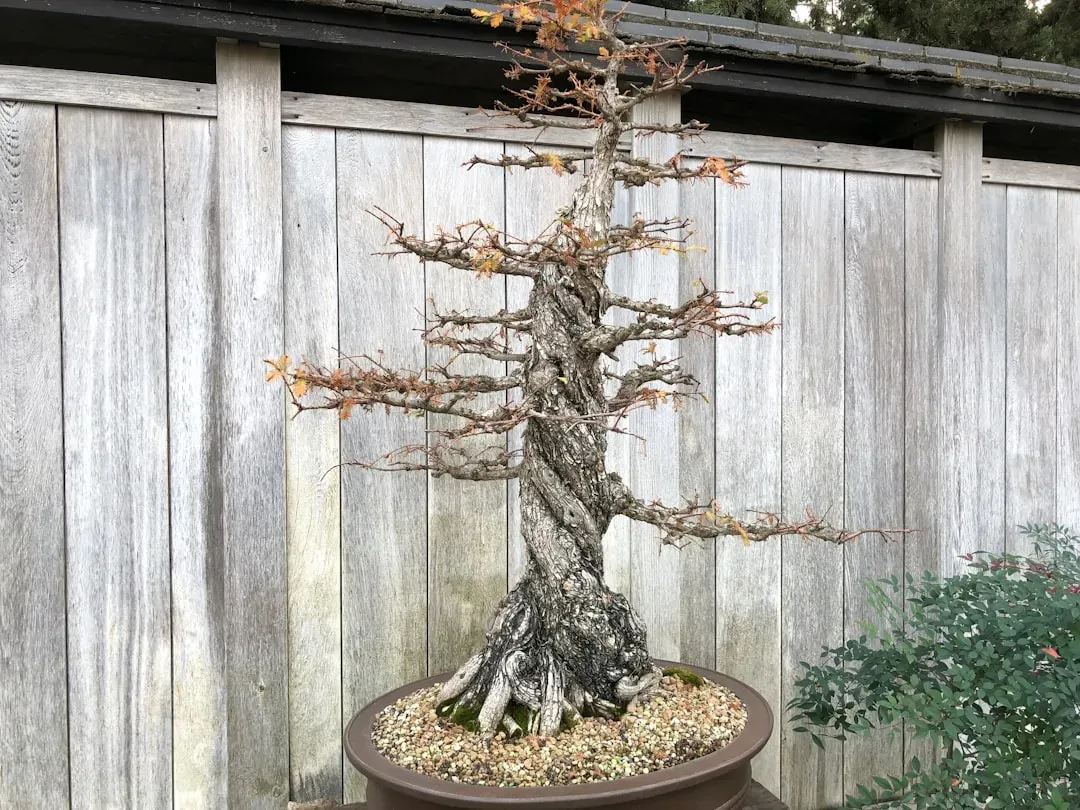
Pot size gradually reduces as you balance growth vigor with increasing control. The tree no longer needs maximum root space for trunk thickening, but still requires enough energy to develop fine branching. This balance, maintaining health while increasing detail, defines successful refinement work.
From Sacrifice Branches to Intentional Structure
Primary branch selection establishes the tree's basic silhouette. You choose branches based on position, angle, and movement, removing everything that doesn't support the design. Each primary branch must emerge at the right point along the trunk, creating depth when viewed from the front and avoiding bar branching, branches directly opposite each other.
Creating depth requires placing branches at different heights and angles, some extending forward, others back, establishing three-dimensional structure. The basic tree silhouette emerges during this stage, though the fine detail comes later. This transition from letting anything grow for energy to carefully selecting which branches stay represents a fundamental shift in cultivation approach.
Building Ramification: The Art of Fine Branching
Ramification, the development of increasingly fine branches, occurs through strategic pruning, pinching, and sometimes defoliation. To develop fine ramification in junipers, pinch new growth regularly rather than cutting, which promotes back-budding and dense foliage pads (according to Bonsai Empire). Deciduous species require different approaches, often involving hard pruning to generate multiple buds at cut points.
This phase progresses gradually, with refinement taking 3-8 years depending on species and goals. Junipers respond well to pruning and wiring, developing good ramification relatively quickly compared to deciduous species (according to Bonsai Empire). Each pruning cycle builds on previous work, creating increasingly dense branching patterns.
"The key to ramification is understanding that each cut creates an opportunity for multiple buds to develop," says Bjorn Bjorholm, Master Bonsai Professional and owner of Bjorholm Bonsai in Tennessee. "But this only works when the tree has enough vigor and the timing aligns with the species' natural growth patterns."
Common Refinement Mistakes That Stall Progress
Moving to refinement before structure is ready produces trees that never develop proper proportions. Over-pruning weakens the tree, slowing progress rather than accelerating it. Inconsistent technique, switching approaches mid-development, prevents the cumulative effect needed for refined branching.
Failing to maintain vigor during refinement is particularly problematic. The tree needs energy to generate new buds and branches, requiring adequate feeding and root health. Look, refinement requires patience equal to the structural phase, just applied differently.
The Maintenance Phase: Preserving Your Mature Bonsai
Once your bonsai reaches its design vision, the focus shifts to preservation through ongoing maintenance. This phase isn't static, it requires constant small adjustments to maintain proportion, manage growth in established pads, and balance tree health with aesthetic goals. Seasonal pruning routines become predictable, following the tree's growth patterns.
Maintenance involves removing unwanted growth before it disrupts the design, pinching new shoots to maintain pad density, and occasional wiring to correct branches that shift position. The tree continues aging, with bark maturation and deadwood weathering adding character over years. These natural aging processes improve the tree's appearance without requiring structural changes.
Trees can move backward from maintenance to refinement or even development if major redesign becomes necessary (according to BonsaiNut). A design that isn't working might require removing primary branches and rebuilding structure. Neglect can force you back to refinement, rebuilding lost ramification. This flexibility acknowledges that bonsai development isn't always linear.
The maintenance phase demonstrates that bonsai is never truly finished. Each growing season brings new growth that must be managed. The tree's needs shift with age, requiring adjustments to watering, feeding, and root pruning frequency. Your skill during this phase shows in the tree's sustained health and the preservation of design elements developed over previous years.
Research from the Arnold Arboretum at Harvard University demonstrates that mature bonsai specimens can live for centuries when properly maintained—their collection includes several trees over 200 years old, with documentation showing consistent care protocols across generations of caretakers. Japanese studies of historical bonsai collections reveal that trees in the maintenance phase typically require root pruning every 3-5 years for deciduous species and 4-6 years for conifers, compared to annual or biannual repotting during development stages. This extended interval reflects the tree's stabilized growth rate and established root system, though the precise timing depends on pot size, soil composition, and species-specific vigor patterns you'll learn to recognize in your own specimen.
Understanding these three phases, structural development, refinement, and maintenance, provides the framework for every cultivation decision you make. Your tree's current phase determines which techniques apply, which goals matter most, and what timeline to expect. Development stage, not calendar age, guides your approach. A tree in structural development needs space, food, and patience. A tree in refinement needs detailed attention and consistent technique. A tree in maintenance needs vigilant preservation of achieved design. Match your cultivation strategy to your tree's developmental reality, and you'll see steady progress toward a mature bonsai that reflects years of guided growth.
Related Articles
- Bonsai Tree Care: Complete Maintenance Guide for Beginners
- Bonsai Tree Care: Expert Guide to Watering, Pruning & Maintenance
- Bonsai Tree Repotting: Step-by-Step Guide & Best Practices
- Bonsai Tree Types: 15+ Species for Every Skill Level
- How to Water Bonsai Trees: Complete Watering Guide
- Complete Guide to Bonsai Trees: Care, Types & Growing Tips
Frequently Asked Questions
How do I know which development phase my bonsai is in?
Check your tree's structural progress, not its age. Look for trunk thickness relative to height, established taper, visible surface roots (nebari), and bark maturation. A tree is ready to move from structural development to refinement when the trunk is thick enough for your intended final height and shows mature bark characteristics.
Can I work on multiple development phases at the same time?
Yes, you can work on different sections simultaneously. For example, you can continue developing trunk thickness in lower sections while beginning branch refinement work on established upper areas. This flexibility allows you to address multiple needs as your tree's structure emerges.
Why shouldn't I rush through the structural development phase?
Rushing through structural development produces poorly proportioned trees that never look quite right. Each phase has specific goals that must be completed before moving forward. Skipping adequate trunk development, for instance, leaves you with insufficient thickness to support your intended design.
What's the difference between starting from seed versus nursery stock?
Seeds require 10-15 years minimum before first styling since you must develop trunk thickness from nothing. Nursery stock typically needs only 3-7 years of development work because commercial growers have already established basic structure. Your starting material significantly determines your overall timeline.
How long does the refinement phase typically take?
The refinement phase usually takes 3-8 years, depending on your tree species and desired branch complexity. During this time, you develop fine branching and detailed branch structure through techniques like sacrifice branches, intentional pruning, and candle pruning for conifers.
Can a bonsai move backwards through development phases?
Yes, trees can move backwards if major redesign becomes necessary or if neglect requires rebuilding lost structure. This flexibility means you're not locked into a one-way progression—you can adjust your approach based on your tree's changing needs.
What feeding and container strategy should I use during structural development?
During structural development, use heavy feeding and large containers or ground planting to maximize growth. This accelerates trunk thickening and root base development. Once you transition to refinement, you'll adjust feeding intensity and container size to match the new phase's goals.