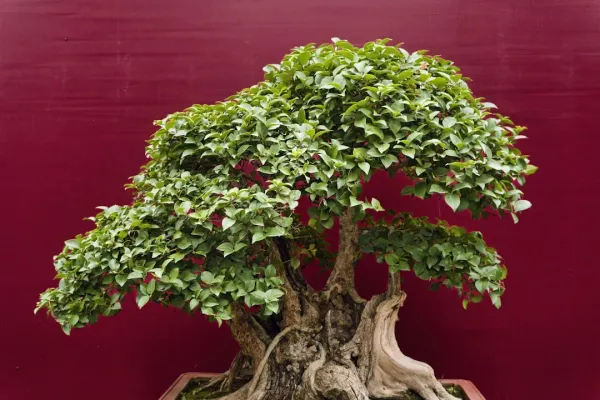
Indoor Bonsai Trees: Best Species & Care Requirements
Indoor bonsai trees are limited to tropical and subtropical species that tolerate consistent indoor temperatures year-round. Ficus varieties, Chinese Elm, Jade, and Dwarf Schefflera succeed indoors because they don't require winter dormancy periods. Most traditional bonsai, junipers, pines, maples, need outdoor conditions and seasonal cold exposure to survive. Your success depends on matching species to your indoor environment's light, humidity, and temperature capabilities rather than trying to force outdoor species inside.
Understanding Indoor Bonsai: What Actually Thrives Indoors
The term "indoor bonsai" misleads many beginners into believing any miniature tree can live permanently inside. Most bonsai species evolved in temperate climates and require seasonal dormancy cycles to survive. (According to Harvard Arnold Arboretum) only tropical and subtropical plants can survive indoors because they lack the biological need for winter dormancy. This fundamental distinction determines whether your tree will thrive for years or decline within months.
The Indoor vs. Outdoor Reality
Temperate species like Japanese maple, juniper, and pine require exposure to freezing temperatures for 8-12 weeks annually. Their cellular processes depend on this dormancy period to reset growth hormones and prepare for spring vigor. Without winter cold, these trees gradually weaken and die, usually within 1-2 years of permanent indoor placement.
Tropical species from regions near the equator never experience freezing temperatures in their native habitats. They maintain active growth year-round when conditions remain stable, which makes them suitable for indoor environments where temperatures stay between 60-75°F consistently. (According to Oregon State Extension) Chinese Elm represents a transitional species that can adapt to indoor growing, though it performs better with outdoor exposure during warm months.
Essential Environmental Requirements
Light intensity determines whether your indoor bonsai merely survives or actually thrives. Most indoor species need 4-6 hours of bright, indirect light daily, preferably from south or west-facing windows. The glass filters some intensity, so positioning trees within 3 feet of the window maximizes available light. During winter months with shorter days, supplemental LED grow lights become necessary for maintaining healthy growth.
Humidity levels between 40-60% support tropical species, but (according to the Royal Horticultural Society) central heating can reduce indoor humidity to 20% or lower. This dry air stresses trees adapted to humid environments, causing leaf drop and making them vulnerable to spider mites. Temperature stability matters as much as the range itself, avoid placing trees near heating vents, air conditioning units, or drafty doorways where fluctuations exceed 10°F within hours.
Setting Realistic Expectations
Indoor bonsai grow more slowly than their outdoor counterparts because light intensity and seasonal temperature variation drive vigorous growth. Your indoor ficus might produce 6-8 inches of new growth annually compared to 12-18 inches outdoors. This slower pace actually benefits beginners by allowing more time to observe and respond to the tree's needs.
Well, even tropical species show seasonal rhythms indoors. Growth slows during winter months when day length decreases, requiring adjusted watering and feeding schedules. Expect some leaf yellowing and drop during this period, it's normal adaptation, not necessarily a sign of poor care.
Best Indoor Bonsai Species: Detailed Profiles for Success
Choosing the right species determines 70% of your success with indoor bonsai. The following profiles focus on proven performers that tolerate typical indoor conditions without requiring specialized equipment or constant attention.
Ficus Varieties: The Most Forgiving Choice
Ficus retusa, benjamina, and ginseng varieties dominate the indoor bonsai market for good reason. These tropical trees tolerate irregular watering better than most species, recovering from both slight drought and occasional overwatering. Their thick, waxy leaves reduce moisture loss, allowing them to handle lower humidity than other tropical species.
Ficus develops aerial roots in humid conditions, adding visual interest to the trunk and root structure over time. They respond well to pruning, backbudding reliably along branches when you remove terminal growth. Light requirements remain moderate, they'll survive in east-facing windows though they prefer brighter southern exposure. I'll never forget the panic I felt when I left my Ficus retusa unwatered for nearly two weeks during a work trip. When I returned, expecting to find a skeleton of brown leaves, the tree looked only slightly wilted with a few yellowing leaves at the bottom. Within three days of regular watering, it had completely bounced back—a resilience I've never seen matched by my jade or serissa bonsai.
These trees show stress clearly through leaf drop, giving you obvious feedback when conditions need adjustment. The dropped leaves regrow within 2-3 weeks once you correct the problem, making them forgiving teachers for beginners learning to read their tree's signals.
Chinese Elm: Beautiful But Demanding
Chinese Elm produces tiny leaves and develops attractive bark texture faster than most species, making it visually appealing for bonsai styling. However, it challenges indoor growers with specific requirements that many beginners underestimate. The species prefers cooler winter temperatures around 50-60°F, which most heated homes don't provide.
High light needs mean Chinese Elm struggles in anything less than bright, direct sun for several hours daily. Insufficient light causes leggy growth and larger leaves that compromise the tree's proportions. Dry indoor air makes the species susceptible to spider mites, which can defoliate a tree within weeks if left unchecked. To be fair, Chinese Elm succeeds for growers who can provide a cool sunroom or unheated bedroom during winter months.
Low-Maintenance Alternatives: Jade and Dwarf Schefflera
Jade plants (Crassula ovata) store water in their thick leaves and stems, allowing them to tolerate irregular watering schedules that would kill most bonsai. (According to the National Bonsai Foundation) Jade is extremely forgiving of irregular watering and can tolerate lower light than most indoor bonsai. Water every 7-10 days during summer, extending to 14-21 days in winter when growth slows.
The succulent nature means Jade grows slowly, an advantage when your schedule doesn't allow weekly pruning sessions. They develop thick trunks and branches gradually, creating convincing miniature tree proportions over 5-10 years. Jade tolerates pruning aggressively and roots easily from cuttings, letting you propagate new trees or repair mistakes.
Dwarf Schefflera (Schefflera arboricola) offers similar low-maintenance qualities with faster growth than Jade. The compound leaves reduce to smaller size with proper light and pruning. Both species handle temperatures down to 50°F without damage, giving you flexibility in placement throughout your home.
What to Look for When Purchasing
Examine the root system first if possible, healthy roots appear white or light tan, not brown or mushy. The trunk should show some taper from base to apex rather than remaining uniform diameter. Well-developed surface roots (nebari) spreading radially from the trunk indicate proper initial training.
Avoid "mallsai" sold at tourist shops and big-box stores. These mass-produced trees often have wire embedded in bark, glued rocks covering the soil, and poor branch structure that limits future development. Quality specimens from specialized nurseries cost $40-150 for beginner-appropriate trees, with prices reflecting trunk thickness, age, and refinement level.
Daily and Weekly Care Requirements Made Simple
Consistent care routines prevent most indoor bonsai problems. The following schedule balances the tree's needs with realistic time commitments for working adults.
Mastering the Watering Schedule
(According to the National Bonsai Foundation) check soil moisture daily by inserting your finger 1-2 inches into the soil, watering thoroughly when the top inch feels dry. This "finger test" provides more reliable information than fixed schedules because watering needs vary with temperature, humidity, pot size, and seasonal growth rates.
Water until liquid drains from the bottom holes, ensuring the entire root mass receives moisture. Shallow watering that only wets the surface encourages roots to grow upward rather than throughout the pot. Empty the drainage tray after 15 minutes to prevent roots from sitting in standing water.
Soil composition affects watering frequency significantly. Well-draining bonsai soil mixes containing akadama, pumice, and lava rock dry faster than standard potting soil, requiring water every 1-2 days in summer. Organic-heavy soils retain moisture longer but risk root rot if they stay saturated. Water quality matters for long-term health, let tap water sit overnight to allow chlorine to evaporate, or use filtered water if your municipality adds fluoride, which damages some species.
Light Management and Supplemental Solutions
South-facing windows provide the strongest natural light in the Northern Hemisphere, followed by west-facing exposure. East windows offer gentler morning sun suitable for species that scorch in intense afternoon heat. North-facing windows rarely provide sufficient light for any indoor bonsai without supplementation.
(According to Oregon State Extension) rotate your bonsai a quarter turn every week to ensure even light exposure and balanced growth. This prevents the tree from leaning toward the light source and developing stronger growth on one side. During winter months when day length drops below 10 hours, add LED grow lights on timers to maintain 12-14 hour photoperiods.
Full-spectrum LED panels positioned 12-18 inches above the canopy supplement natural light effectively. Look for lights rated 2000-4000 lumens for small to medium bonsai. The initial investment of $40-80 for quality grow lights pays off in maintaining healthy growth through winter rather than watching your tree decline and require recovery time in spring.
Creating Adequate Humidity Indoors
Humidity trays provide localized moisture without requiring whole-room humidifiers. Fill a shallow tray with pebbles or gravel, add water to just below the top of the stones, then place your bonsai pot on the pebbles. The pot bottom should sit above water level to prevent root rot. As water evaporates, it increases humidity in the immediate vicinity of the tree.
Grouping multiple plants together creates a microclimate with higher humidity than isolated placement. (According to the Royal Horticultural Society) most indoor bonsai need humidity levels between 40-60%, while central heating can reduce humidity to 20% or lower. Room humidifiers maintain consistent levels but require regular cleaning to prevent mold growth in the reservoir.
Misting leaves provides temporary humidity relief but doesn't substitute for proper ambient humidity. The moisture evaporates within 30 minutes, and frequent misting can promote fungal problems on leaves. Focus on maintaining consistent background humidity rather than relying on misting as your primary solution.
Seasonal Care Adjustments
Winter heating systems dry indoor air significantly, requiring increased attention to humidity and possibly more frequent watering despite reduced growth. However, lower light levels and cooler temperatures near windows slow water uptake, so monitor soil moisture carefully to avoid overwatering dormant or semi-dormant trees.
Summer air conditioning removes humidity while maintaining comfortable temperatures. If possible, move indoor bonsai outdoors to a shaded patio during summer months. This exposure to natural light, humidity, and air circulation dramatically improves tree vigor. Transition gradually over 7-10 days to prevent shock from sudden environmental changes.
Pruning, Feeding, and Shaping: Long-Term Maintenance
Regular maintenance keeps your indoor bonsai healthy and maintains its designed proportions. These techniques build on daily care to refine the tree's appearance over months and years.
Pruning Techniques and Timing
Maintenance pruning removes new growth that extends beyond the tree's silhouette, maintaining the established design. Use sharp scissors to cut back shoots to 1-2 pairs of leaves once they produce 4-6 pairs. This encourages back-budding along branches, increasing ramification (branch density) over time.
Structural pruning removes entire branches to improve the tree's overall design. Perform this work during the growing season when the tree can heal cuts quickly. Remove branches growing straight up or down, crossing branches that rub against each other, and any growth that crowds the interior canopy. Clean cuts close to the trunk heal faster than stubs left protruding.
Indoor tropical species grow year-round, so pruning timing remains less critical than with outdoor deciduous trees. That said, major pruning during late winter allows new growth to emerge as spring light intensity increases. Last spring, I made the mistake of leaving a quarter-inch stub when removing a thick branch from my Chinese elm, thinking it would look more natural. Six months later, that stub had turned black and started rotting into the trunk, forcing me to cut even deeper to remove the dead tissue. Now I position my concave cutters flush against the trunk, and those wounds callus over cleanly within a single growing season—the smooth bark that forms over the cut is barely visible by the following year.
Fertilizing for Healthy Growth
(According to the National Bonsai Foundation) feed indoor bonsai with balanced liquid fertilizer at half-strength every 2-4 weeks during spring and summer, reducing to monthly in fall and winter. Balanced formulations (10-10-10 or 20-20-20 NPK ratios) support overall health for most species.
Liquid fertilizers diluted in water distribute nutrients evenly throughout the root zone. Apply to moist soil rather than dry soil to prevent root burn. Organic options like fish emulsion provide nutrients more slowly than synthetic fertilizers but improve soil biology over time. Reduce feeding when growth slows during winter, trees can't utilize excess nutrients when they're not actively growing.
Overfertilizing causes more problems than underfertilizing. Excess nitrogen produces leggy growth with oversized leaves that look out of proportion on bonsai. Salt buildup from synthetic fertilizers appears as white crust on the soil surface, indicating you should flush the pot with plain water.
Wiring and Shaping Basics
Aluminum wire wrapped around branches allows you to bend and position them into desired shapes. The wire should be roughly one-third the diameter of the branch you're shaping. Wrap at 45-degree angles, spacing coils evenly along the branch length without overlapping or leaving gaps.
Indoor species with softer wood like Ficus and Schefflera accept wiring year-round. Leave wire in place for 2-4 months, checking monthly for signs of embedding into bark. Remove wire before it cuts into the cambium layer, wire scars remain visible permanently. Branches typically hold their new position after this period, though some species require rewiring if they spring back.
Repotting Schedule and Technique
(According to the Royal Horticultural Society) repot young trees every two years, older specimens every 3-5 years depending on growth rate. Signs that repotting is needed include water draining slowly through the pot, roots circling the soil surface, or reduced vigor despite proper care.
Repot during early spring before the growing season accelerates. Remove the tree from its pot and use a root hook to carefully untangle the root mass. Trim circling roots and remove up to one-third of the root mass on established trees, preserving fine feeder roots near the trunk. Position the tree in fresh bonsai soil, working the mix between roots with a chopstick to eliminate air pockets.
Troubleshooting Common Problems and FAQs
Most indoor bonsai problems stem from environmental issues rather than pests or diseases. Recognizing symptoms early allows you to correct conditions before permanent damage occurs.
Leaf Drop and Yellowing
Sudden leaf drop in Ficus usually indicates environmental shock, temperature fluctuation, drafts, or changes in light exposure. The tree typically recovers within 2-3 weeks if you stabilize conditions. Gradual yellowing of older leaves signals normal aging, but widespread yellowing suggests overwatering or nutrient deficiency.
(According to the Royal Horticultural Society) more bonsai die from too much water than from too little. Overwatering symptoms include yellowing leaves, soft brown roots, and soil that remains wet for days after watering. Reduce watering frequency and improve drainage if you notice these signs.
Pest Management Indoors
Spider mites thrive in dry indoor air, appearing as tiny moving dots on leaf undersides with fine webbing between leaves. Increase humidity and spray leaves with water to disrupt their reproduction. Severe infestations require insecticidal soap applied weekly for three weeks.
Scale insects look like brown or white bumps on stems and leaf veins. Remove manually with a soft toothbrush dipped in rubbing alcohol, then monitor weekly for new growth. Indoor trees have fewer natural predators than outdoor specimens, making vigilance your primary defense against pest establishment.
When to Seek Expert Help
Local bonsai clubs offer experienced guidance when you encounter problems beyond basic troubleshooting. Most clubs welcome beginners and provide hands-on demonstrations of techniques that are difficult to learn from written descriptions alone. "When you see yellowing leaves, stunted growth, or persistent pest problems despite your best efforts, it's time to consult with someone who specializes in bonsai care," says Boon Manakitivipart, internationally recognized bonsai master and instructor at Bonsai Boon in California.
Persistent decline despite correcting obvious care issues might indicate root rot, which requires immediate repotting and root system inspection. Look, some trees simply don't adapt to indoor conditions regardless of care quality, recognizing when to transition a tree outdoors or accept its limitations saves frustration and allows you to focus energy on species that thrive in your specific environment.