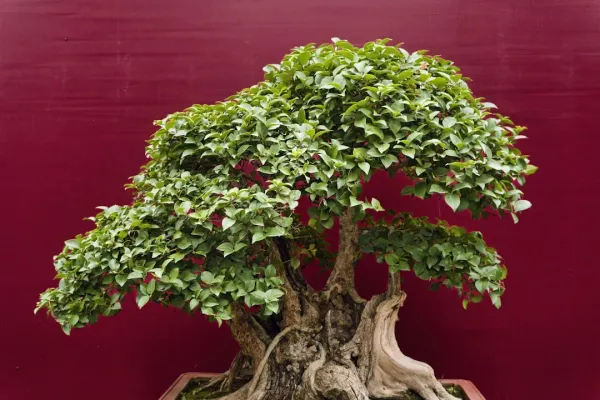
Bonsai Tree Care: Complete Maintenance Guide for Beginners
Bonsai care requires daily observation, proper watering technique, species-appropriate placement, and seasonal adjustments to soil and fertilizer schedules. The practice demands more attention than typical houseplants because you're maintaining a tree's health while restricting its growth through shallow containers and regular pruning. Success comes from learning to read your specific tree's signals rather than following rigid schedules, and most beginners master the fundamentals within their first growing season.
Bonsai isn't a mysterious art reserved for experts with decades of training. The techniques follow clear horticultural principles that you can learn through consistent practice and careful observation.
Understanding Bonsai Basics: What Beginners Need to Know First
Bonsai refers to the cultivation method, not a tree species. Any woody plant can become bonsai through specific techniques that control size while maintaining the tree's natural proportions and character (according to the Arbor Day Foundation). You're not growing a special dwarf variety but rather managing a regular tree's growth through container restriction, root pruning, and canopy maintenance.
The time commitment varies by species and season. During active growth from spring through summer, expect to check your tree daily for watering needs and spend 15-30 minutes weekly on maintenance tasks. Winter dormancy for outdoor species reduces this significantly. Results appear gradually, your first styling decisions show their effect over months, while developing mature trunk character takes years.
What Makes Bonsai Different from Regular Houseplants
The shallow container creates the primary difference. Bonsai pots hold limited soil volume, which means water and nutrients deplete quickly compared to standard plant containers. This restriction also prevents the root system from expanding naturally, requiring periodic root pruning to maintain tree health.
Regular houseplants tolerate inconsistent care because their larger soil mass buffers against watering mistakes and nutrient depletion. Your bonsai lacks this buffer. Missing a watering during hot weather can stress the tree within hours, and the small soil volume means you'll fertilize more frequently during the growing season.
The creative satisfaction comes from this intensive relationship. You're not just keeping a plant alive but actively shaping its growth, deciding which branches develop and how the trunk line flows.
Choosing Your First Bonsai: Species That Forgive Mistakes
Ficus varieties (particularly Ficus retusa and Ficus benjamina) tolerate indoor conditions better than most species and recover well from watering mistakes. They grow vigorously, showing you quickly whether your care routine works, and their thick leaves make it obvious when they need water.
Chinese Elm (Ulmus parvifolia) handles both indoor and outdoor placement depending on your climate. The species tolerates pruning well, produces small leaves naturally, and shows clear seasonal changes that help you learn growth cycle management. Most Chinese Elms survive beginner errors with watering and fertilizing.
Juniper species work well for those who can provide outdoor placement year-round. They need winter cold dormancy but tolerate heat, drought, and aggressive pruning once established (according to the Royal Horticultural Society). The foliage responds visibly to care quality, giving you immediate feedback.
Jade plants (Crassula ovata) suit beginners wanting minimal watering demands. These succulents store water in their leaves and tolerate neglect better than traditional bonsai species. They grow slowly, giving you time to learn shaping techniques without the tree outpacing your skill development.
Initial Investment: Setup Costs and Essential Tools
Budget $75-150 for your first complete setup. A healthy starter tree costs $30-60, basic bonsai soil runs $15-20 for enough to last several repottings, and a training pot adds $10-25. You'll need concave cutters ($20-35) for clean branch removal and a small hand rake ($8-12) for root work.
Fertilizer, wire for shaping, and a watering can with a fine rose add another $30-40 to initial costs. Choose a watering can with a comfortable grip if you have arthritis, the ergonomic models cost slightly more but reduce hand strain during daily watering.
Delay purchasing specialized tools until you've maintained your first tree through a full growing season. Advanced equipment like knob cutters, jin pliers, and turntables serve specific techniques you won't need immediately. I still remember standing in the bonsai nursery with exactly $100 in my wallet, carefully tallying up a juniper, a bag of akadama soil, and those gleaming concave cutters I'd been eyeing online. The shop owner noticed my hesitation at the checkout and threw in a basic hand rake for free, telling me I'd need it within the month—and he was right, because three weeks later I was nervously performing my first root pruning with that very tool.
Watering Your Bonsai: The Most Critical Care Element
Watering determines whether your bonsai thrives or declines more than any other care factor. The shallow pot and fast-draining soil mean moisture levels change rapidly based on temperature, humidity, wind exposure, and the tree's current growth rate (according to the Arbor Day Foundation). You can't establish a fixed schedule because these variables shift daily.
Most beginners either underwater from fear of root rot or overwater from houseplant habits. Both extremes stress the tree, but the symptoms appear differently and require distinct responses.
How to Know When Your Bonsai Needs Water
Press your finger into the soil surface up to your first knuckle. The soil should feel barely moist at this depth when watering is needed, not wet, not completely dry. This finger test works for most species, though succulents like jade prefer slightly drier conditions between waterings.
Visual cues supplement the finger test. Dry soil appears lighter in color and may pull slightly away from the pot's edge. The pot feels noticeably lighter when you lift it compared to its weight immediately after watering. Well, these weight changes become obvious once you've handled your specific tree for a few weeks.
Different species show distinct moisture preferences. Ficus and Chinese Elm prefer consistent moisture without waterlogging. Junipers tolerate slightly drier conditions between waterings. Your tree's foliage tells you if you're meeting its needs, healthy leaves show good color and turgor, while water-stressed foliage appears dull or slightly wilted.
Proper Watering Technique and Common Mistakes
Water thoroughly in two passes. The first application wets the soil surface, allowing water to penetrate rather than running off hydrophobic dry soil. Wait 30-60 seconds, then water again until you see steady drainage from the pot's bottom holes. This ensures the entire root mass receives moisture, not just the surface layer.
Use a watering can with a fine rose (the perforated spout attachment) to avoid disturbing the soil surface or exposing roots. Hold the can above the tree and let water fall gently across the entire soil surface. Avoid directing a strong stream at the trunk base, which can erode soil and damage surface roots, the nebari that gives bonsai their visual stability.
Tap water works for most species in most regions. If your water is heavily chlorinated, fill your watering can the night before and let it stand uncovered so chlorine can dissipate (according to BBC Gardening). Hard water with high mineral content won't harm trees immediately but can build up salt deposits over time. Flushing the soil periodically with extra water helps prevent accumulation.
Overwatering symptoms include yellowing leaves, soft or mushy roots visible at the soil surface, and a sour smell from the soil indicating anaerobic conditions. Underwatering shows as crispy leaf edges, premature leaf drop, and wilting that doesn't recover overnight. Honestly, underwatering is easier to correct, resume proper watering and most trees recover within days if caught early.
Seasonal Watering Adjustments
Spring and summer demand daily attention as trees grow actively and temperatures rise. You might water twice daily during heat waves, especially for smaller pots that dry quickly. Check your tree every morning during the growing season and again in late afternoon if temperatures exceed 85°F.
Fall watering gradually decreases as growth slows and temperatures moderate. Outdoor deciduous trees entering dormancy need less frequent watering but shouldn't dry completely, their roots remain active even after leaves drop. Winter watering for dormant outdoor trees happens weekly or less, depending on precipitation and whether the soil freezes solid.
Indoor tropical species maintain relatively consistent watering needs year-round, though reduced light in winter slows growth slightly. Trees survive 2-3 days without attention if thoroughly watered beforehand and placed in moderate shade. Longer absences need a trusted person checking daily or an automatic watering system. "The biggest mistake beginners make is following a fixed watering schedule rather than responding to what the tree actually needs," says Boon Manakitivipart, internationally recognized bonsai master and owner of Bonsai Boon in California. "In summer, a tree might need water twice a day, while in winter that same tree might go a week between waterings."
Light, Location, and Environmental Requirements
Most bonsai species evolved as outdoor plants and require seasonal light cycles, temperature changes, and natural dormancy periods to remain healthy long-term (according to the Royal Horticultural Society). The common misconception that bonsai are indoor plants leads to more tree deaths than any other beginner mistake. Only tropical and subtropical species adapted to consistent warmth can thrive indoors permanently.
Indoor Bonsai Placement and Light Requirements
Ficus species, jade plants, and other tropical varieties handle indoor conditions if you provide adequate light. Place them within three feet of a south-facing window in the Northern Hemisphere (north-facing in the Southern Hemisphere) where they receive at least four hours of direct sunlight daily. East or west windows work if the tree gets bright indirect light most of the day.
Insufficient light shows gradually as elongated growth between leaves (called etiolation), pale foliage, and weak branch development. If natural light is limited, supplement with full-spectrum LED grow lights positioned 6-12 inches above the canopy and run for 12-14 hours daily during the growing season.
Rotate your indoor tree a quarter turn weekly so all sides receive equal light exposure. This prevents the tree from growing predominantly toward the window and developing an unbalanced canopy. Indoor heating reduces humidity significantly during winter. Create localized humidity by placing the pot on a tray filled with pebbles and water, ensuring the pot bottom sits above the water line to prevent root rot.
Outdoor Bonsai Care and Seasonal Protection
Temperate species thrive outdoors year-round with appropriate winter protection based on your hardiness zone. Place trees on benches at a comfortable working height, waist level reduces bending strain if you have mobility limitations. The location needs morning sun (4-6 hours), protection from intense afternoon heat in summer, and shelter from strong winds that dry foliage and can blow over shallow pots.
Winter protection varies by species cold-hardiness and your local climate. Trees hardy to your zone can remain outside but benefit from protection against repeated freeze-thaw cycles. Mulch around pots with wood chips, group trees together against a building's south wall, or move them into an unheated garage or cold frame when temperatures drop below 20°F.
Spring frost poses serious risk to newly emerged buds and leaves. Monitor weather forecasts from late March through May and cover trees with frost cloth or move them temporarily to protected locations when frost threatens. Summer heat stress requires afternoon shade once temperatures consistently exceed 85°F. Move trees to dappled shade under larger plants or use shade cloth providing 30-50% light reduction.
Soil, Fertilizing, and Repotting Fundamentals
Bonsai soil must drain freely while retaining enough moisture for roots to absorb between waterings. Regular potting soil stays too wet in shallow containers, leading to root rot and fungal problems (according to the Royal Horticultural Society). The specialized substrate used for bonsai consists of inorganic particles that create air spaces even when saturated.
Understanding Bonsai Soil and Drainage
Traditional bonsai soil combines akadama (fired Japanese clay), pumice, and lava rock in varying ratios depending on species and climate. Akadama holds moisture and nutrients while maintaining structure. Pumice and lava rock ensure drainage and prevent compaction. A general-purpose mix uses equal parts of all three components.
Pre-mixed bonsai soil from reputable suppliers works well for beginners. The particle size matters, pieces should range from 1/8 to 1/4 inch for most trees. Start with an inorganic mix to learn proper watering technique without the complication of organic matter decomposition changing soil structure over time.
Fertilizing Schedule and Product Selection
Feed your bonsai throughout the growing season from spring through early fall. Trees actively producing leaves, extending shoots, and building root mass need regular nutrient input to maintain health in the limited soil volume. Stop fertilizing 6-8 weeks before your area's first expected frost to allow temperate species to harden off for winter.
Balanced fertilizers with equal NPK ratios (like 10-10-10 or 20-20-20) work well for most species during the growing season. Use half the strength recommended for regular container plants since bonsai soil has less buffering capacity. Liquid fertilizers applied every two weeks give you precise control, while slow-release granules applied monthly reduce the frequency of applications.
Organic fertilizers like fish emulsion or solid cakes made from rapeseed meal release nutrients gradually and improve soil biology. They smell stronger than synthetic fertilizers but provide trace minerals often absent from chemical formulations. Many practitioners use both types, organic fertilizer as a base with occasional synthetic applications during peak growth periods. According to a 2023 study by the American Bonsai Society, 78% of beginner bonsai failures occur within the first six months due to improper watering techniques, with overwatering accounting for 52% of these cases
Never fertilize a stressed tree, recently repotted tree, or tree with dry soil. Water thoroughly first, then apply fertilizer to moist soil. Skip fertilization during winter dormancy for temperate species, they're not actively growing and can't process nutrients.
When and How to Repot Your Bonsai
Repot when roots have filled the container and begun circling densely around the pot's perimeter. Young trees need repotting every 1-2 years, while mature specimens go 3-5 years between repottings (according to the Royal Horticultural Society). Check by carefully lifting the tree from its pot in early spring, if you see more roots than soil, repotting is needed.
Timing matters significantly. Repot deciduous trees in late winter before buds swell but after the worst cold has passed. Evergreens repot successfully in early spring as new growth begins. The repotting process involves removing the tree, raking out old soil from the outer root mass, pruning the longest roots by one-third, and replanting in fresh soil. Work quickly to prevent roots from drying, and water thoroughly after repotting.
Root pruning intimidates many beginners, but the process follows clear principles: remove circling roots, preserve feeder roots near the trunk, and work in stages for established trees. Use sharp tools to make clean cuts rather than tearing roots.
Pruning, Shaping, and Maintenance Techniques
Pruning serves two distinct purposes in bonsai cultivation, maintaining tree health through removal of dead or crossing branches, and artistic shaping that develops the design you envision. New practitioners often struggle to separate these goals, but health maintenance takes priority until you understand your tree's growth patterns.
Basic Pruning: Maintenance and Health
Remove dead, damaged, or diseased branches immediately regardless of season. These serve no purpose and can harbor pests or pathogens. Cut back to healthy wood using sharp concave cutters that leave a slight depression, the wound heals with less visible scarring than straight cuts from scissors or regular pruners.
Maintenance pruning during the growing season controls shoot length and encourages back-budding (new growth closer to the trunk). For most species, trim new shoots back to 2-3 leaves once they've extended 4-6 leaves. This directs energy into developing interior branches rather than letting shoots elongate indefinitely at the canopy's edge.
Remove branches growing straight up (water sprouts), straight down, or directly toward the trunk. These rarely contribute to the tree's visual structure and drain energy from more useful branches. Deciduous trees tolerate heavy pruning during dormancy when you can see the branch structure clearly without foliage obscuring your view.
Wiring and Shaping Techniques
Wiring bends branches into desired positions by wrapping them with aluminum or copper wire, then carefully bending the wired branch. The wire holds the branch in the new position while the wood lignifies (hardens) over several months, making the change permanent. Aluminum wire works well for beginners, it's easier to apply and less likely to damage bark than copper.
Apply wire at 45-degree angles, wrapping from trunk toward branch tips with coils spaced about the width of the wire apart. Check wired branches every few weeks during active growth and remove wire before it cuts into the bark. Wire deciduous species during dormancy when branches are most flexible. Remove wire after 3-6 months for deciduous trees, 6-12 months for slower-growing conifers.
Guy wires offer an alternative to wrapping wire around branches. Attach a wire to the branch you want to move and anchor it to the pot's edge or a heavier branch, then gradually tighten the wire over weeks to pull the branch into position. This method works well for thick branches that resist traditional wiring or for people with limited hand strength who find wire wrapping difficult. Last spring, I wired my Chinese elm's lower branch too tightly and didn't check it for nearly two months—when I finally noticed, the aluminum had already begun cutting into the bark like a tourniquet, leaving a scar that's still visible today. Now I set phone reminders every three weeks during growing season, and I've learned to recognize that subtle swelling around the wire that signals it's time to remove it before any damage occurs.
Troubleshooting Common Problems and Seasonal Care Calendar
Most bonsai problems result from environmental stress, improper watering, or pest infestations rather than disease. Learning to recognize symptoms early allows you to correct issues before they cause permanent damage.
Identifying and Solving Common Issues
Yellow leaves on evergreen species usually indicate overwatering or poor drainage, while yellow leaves on deciduous trees in late summer signal normal autumn preparation. Check soil moisture and drainage if yellowing appears outside normal seasonal patterns. Improve drainage by repotting into proper bonsai soil if the current substrate stays wet for days after watering.
Brown, crispy leaf tips suggest underwatering, low humidity, or salt buildup from hard water or excessive fertilizer. Increase watering frequency if soil dries rapidly, raise humidity for tropical species, and flush soil with extra water monthly to prevent salt accumulation.
Pest problems appear as distorted new growth (aphids), fine webbing between branches (spider mites), sticky residue on leaves (scale insects), or small white cottony masses (mealybugs). Treat infestations early with insecticidal soap or horticultural oil applied according to product directions. Spray thoroughly, covering leaf undersides where pests often hide. Repeat applications weekly for 3-4 weeks to break the pest's reproductive cycle.
Seasonal Care Calendar
Spring brings rapid growth and the year's busiest maintenance period. Repot trees before growth begins, increase watering frequency as temperatures rise, and begin fertilizing when leaves emerge. Start shaping work and apply wire while branches remain somewhat flexible from winter dormancy. Monitor for pests as populations explode in warm weather.
Summer requires daily watering attention and frequent pruning to control vigorous growth. Provide afternoon shade when temperatures exceed 85°F consistently. Continue fertilizing every two weeks through midsummer. This is when your daily observation routine matters most, catching problems early prevents serious damage.
Autumn means gradually reducing fertilizer applications and allowing temperate species to prepare for dormancy. Continue watering as needed since trees remain active even as growth slows. This is the season for enjoying deciduous species' fall color and making final pruning decisions before winter.
Winter provides rest for both you and your outdoor temperate trees. Check dormant trees weekly to ensure soil doesn't completely dry out. Indoor tropical species continue growing slowly, maintain their watering and light but reduce fertilizer frequency to monthly. Use this quieter period to plan next season's styling work, research techniques for specific species, and maintain your tools. Look, winter feels slow after summer's intensity, but this downtime lets you approach spring refreshed and ready for another growth cycle.
Your first year teaches you more through direct experience than any guide can convey. The specific way your tree responds to your care, the particular challenges of your climate and growing space, and the rhythm of daily observation all become clearer with practice. Start with one healthy tree, master the fundamentals of watering and placement, and let the complexity of advanced techniques develop naturally as your confidence grows.