
Complete Guide to Bonsai Trees: Care, Types & Growing Tips
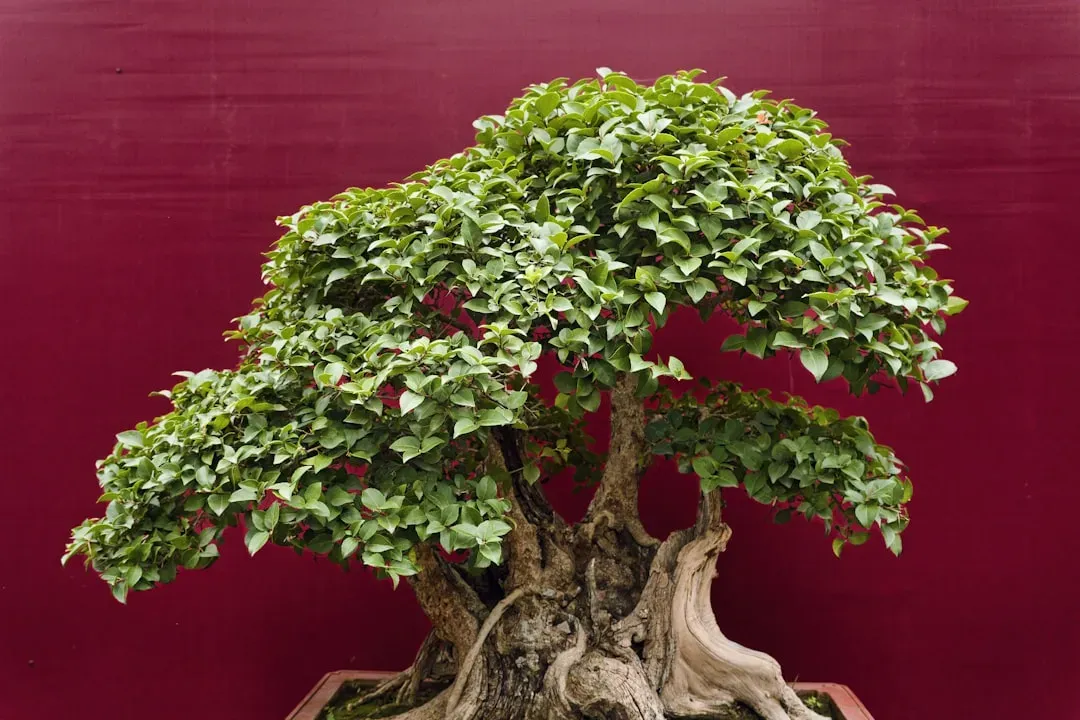
Bonsai trees are regular tree species, maples, junipers, ficus, kept small through deliberate cultivation techniques rather than genetic modification. These living sculptures require daily attention to watering, seasonal pruning, and careful root management, but the practice rewards patience with decades-long relationships and trees that improve with age. You'll need outdoor space for most species, realistic expectations about growth rates, and willingness to learn through observation rather than rigid rules.
Table of Contents
- What Are Bonsai Trees? Understanding the Living Art Form
- The Difference Between Bonsai and Regular Potted Plants
- Why Bonsai Make Ideal Hobbies for Active Adults
- Choosing Your First Bonsai: Species Selection for Beginners
- Best Indoor Bonsai Trees for Apartments and Limited Outdoor Space
- Hardy Outdoor Species Perfect for Beginners
- Essential Bonsai Care: Daily and Weekly Maintenance Routines
- Creating Your Daily Bonsai Care Routine
- Weekly Maintenance Tasks and Seasonal Adjustments
- Mastering Bonsai Watering: The Most Critical Skill
- How to Tell When Your Bonsai Needs Water
- Proper Watering Technique and Common Mistakes to Avoid
- Feeding and Fertilizing Your Bonsai Tree
- Understanding Bonsai Fertilizer Basics Without the Jargon
- Pruning and Shaping Techniques for Beginners
- Maintenance Pruning: Keeping Your Tree Healthy and Tidy
- Introduction to Wiring and Branch Positioning
- Repotting Your Bonsai: When, Why, and How
- Recognizing When Your Bonsai Needs Repotting
- Step-by-Step Repotting Process for Beginners
- Seasonal Bonsai Care: A Year-Round Calendar
- Spring Care: Managing Vigorous Growth
- Summer Maintenance: Heat and Hydration
- Fall Preparation: Hardening Growth for Winter
- Winter Dormancy: Protection and Minimal Care
- Troubleshooting Common Bonsai Problems
- Identifying and Correcting Watering Issues
The art form originated in China over a thousand years ago before Japanese practitioners refined the techniques we use today (National Bonsai & Penjing Museum). Despite their miniature size, bonsai aren't starved or tortured plants, they're healthy specimens receiving attentive care in shallow containers that restrict root growth while providing adequate nutrition.
What Are Bonsai Trees? Understanding the Living Art Form
Bonsai trees are normal plants propagated like any other specimen, but trained using sophisticated techniques to maintain miniature size (Arbor Day Foundation). A backyard maple becomes bonsai through container restriction, root pruning, and branch shaping, not through special breeding. The same genetic code that produces a sixty-foot oak in nature creates a two-foot bonsai on your bench.
This distinction matters because it determines everything about care requirements. Your juniper bonsai needs the same sunlight, cold dormancy, and seasonal cycles as the juniper growing wild on a mountainside. Most bonsai should actually live outside where they experience the four seasons just like regular trees (Arbor Day Foundation). Indoor bonsai exist, but they're limited to tropical and subtropical species that tolerate consistent temperatures year-round.
The Difference Between Bonsai and Regular Potted Plants
Regular houseplants grow in containers sized to accommodate their roots with minimal intervention. Bonsai live in deliberately shallow pots that restrict root growth, requiring repotting every two to three years to maintain health (University of Maryland Extension). The shallow container creates the visual proportion between pot and tree while forcing you to manage the root system actively.
Potted plants receive occasional trimming for aesthetics. Bonsai undergo systematic pruning that directs growth, creates taper in the trunk, and develops the branch structure over years. You're not just maintaining a plant, you're collaborating with its growth patterns to create a specific design that improves annually.
The container itself serves artistic purpose beyond function. Traditional bonsai pots complement the tree's character through color, texture, and proportion. A rugged pine pairs with an unglazed, earth-toned rectangle while a delicate maple might suit a glazed oval with subtle decoration.
Why Bonsai Make Ideal Hobbies for Active Adults
Bonsai cultivation provides daily structure without demanding rigid schedules. Your morning routine expands to include a ten-minute inspection of your trees, checking soil moisture, and observing new growth. This regular engagement creates mindful breaks from screen time and sedentary work, honestly, without requiring gym memberships or equipment.
The cognitive demands scale beautifully with experience. Beginners focus on keeping trees alive through proper watering and basic care. Intermediate practitioners learn to read growth patterns and make strategic pruning decisions. Advanced hobbyists study horticulture, design principles, and species-specific techniques, the learning never stops, but neither does it overwhelm.
Physical requirements remain manageable even as mobility changes. Most bonsai work happens at bench height, eliminating the bending and kneeling that makes traditional gardening difficult for some practitioners. Adaptive tools with ergonomic grips accommodate reduced hand strength, and the scale of work prevents the heavy lifting associated with landscape gardening.
Choosing Your First Bonsai: Species Selection for Beginners
Your first bonsai should match your available growing conditions before matching your aesthetic preferences. A beautiful Japanese maple dies indoors regardless of your care quality, while a ficus thrives on a bright windowsill. Assess your space honestly, available sunlight, temperature fluctuations, and whether you can provide outdoor conditions, before selecting a species.
Popular Bonsai Species: Indoor vs. Outdoor Suitability and Care Difficulty
| Species | Light Requirements | Environment | Difficulty Level | Key Care Notes |
|---|---|---|---|---|
| Ficus | Bright indirect light | Indoor/Tropical | Beginner | Tolerates lower light; consistent temperatures; forgiving of watering mistakes |
| Japanese Maple | Dappled shade to partial sun | Outdoor | Intermediate | Needs cold dormancy; prefers cooler temperatures; susceptible to leaf burn in full sun |
| Juniper | Full sun (6+ hours) | Outdoor | Intermediate | Requires outdoor placement; needs cold winter dormancy; drought-tolerant once established |
| Chinese Elm | Bright light | Indoor/Outdoor | Beginner | Adaptable to indoors or outdoors; tolerates pruning well; relatively forgiving |
| Pine | Full sun | Outdoor | Advanced | Slow-growing; needs cold dormancy; requires patience; excellent for long-term development |
Beginner-friendly species share common traits: they tolerate watering irregularities better than finicky specimens, they respond visibly to care adjustments, and they forgive minor pruning mistakes. Chinese elm, juniper, and ficus top recommendation lists from major botanical institutions because they demonstrate resilience while teaching fundamental techniques (Chicago Botanic Garden).
Climate zone matters critically for outdoor species. A juniper that thrives in Michigan winters suffers in Florida humidity. Check your USDA hardiness zone and select species rated for your area, giving yourself a one-zone buffer for container-grown trees that experience more temperature stress than in-ground plantings.
Best Indoor Bonsai Trees for Apartments and Limited Outdoor Space
Ficus species dominate indoor bonsai recommendations because they're actually tropical trees that prefer consistent temperatures. The common fig (Ficus retusa) tolerates lower light than most species, though it still needs a bright window receiving four to six hours of indirect sunlight. The leaves respond to environmental changes by dropping, giving you clear feedback about care adjustments.
Chinese elm (Ulmus parvifolia) occupies a middle ground, it can live indoors but prefers spending summers outside. This species tolerates beginner mistakes better than most options while developing attractive bark texture and fine branching relatively quickly. The leaves reduce naturally with proper care, creating good proportion without demanding advanced techniques.
Jade plants (Crassula ovata) offer the most forgiving option for indoor growing. These succulents store water in their leaves, surviving occasional watering lapses that would kill other species. They grow slowly, which frustrates some beginners but prevents the rapid leggy growth that ruins proportions in faster-growing species.
Set realistic expectations about indoor bonsai. They survive rather than thrive, growing more slowly and displaying less vigor than outdoor counterparts. You're working against the tree's preferences, which requires more attention to environmental factors like humidity and air circulation.
Hardy Outdoor Species Perfect for Beginners
Juniper species represent the classic beginner bonsai for good reason. These evergreen conifers tolerate full sun, require minimal winter protection in most climates, and respond well to pruning and wiring. Juniperus procumbens 'Nana' and Juniperus chinensis varieties suit USDA zones 4-9, covering most of the continental United States. The foliage develops dense pads with regular pinching, and the reddish bark adds visual interest even in winter.
Japanese maple (Acer palmatum) appeals to beginners drawn to deciduous trees and seasonal color changes. These trees need partial shade in hot climates and protection from harsh winds, but they reward proper care with spectacular fall color and delicate branching. They're hardy in zones 5-8 and demonstrate clear seasonal rhythms that teach you to work with natural growth cycles.
Trident maple (Acer buergerianum) offers more heat tolerance than Japanese maple while developing attractive bark that flakes with age. This species buds back readily from old wood, forgiving aggressive pruning that would damage less resilient trees. It's suitable for zones 5-9 and develops fine ramification with consistent care.
Essential Bonsai Care: Daily and Weekly Maintenance Routines
Bonsai care requires daily attention but not daily labor. Your trees need you to check them every day, assessing water needs and catching problems early. The actual work, watering, fertilizing, pruning, happens as needed rather than on fixed schedules. This flexibility allows the hobby to fit around travel and busy periods without abandoning your trees.
Expect to spend ten to fifteen minutes daily during the growing season, mostly observing and watering. Weekly tasks add another thirty to sixty minutes for detailed inspections, fertilizing, and minor pruning. Winter reduces the time commitment for outdoor species, while indoor trees maintain consistent care needs year-round.
Creating Your Daily Bonsai Care Routine
Morning inspection works better than evening for most practitioners because you can water immediately if needed. Walk your bench or growing area, looking at each tree's soil surface and overall appearance. The soil color changes as it dries, darker when moist, lighter when approaching dry, giving you a visual cue before touching anything.
Check soil moisture by pressing your finger knuckle-deep into the substrate at the pot's edge, away from the trunk. The soil should feel barely moist at this depth, never soggy or completely dry. This tactile check takes seconds per tree once you've calibrated your sense of proper moisture levels.
Look for changes in foliage color, new growth, or signs of pest activity. Early detection prevents minor issues from becoming major problems. Spent flowers, dead leaves, and debris should be removed as you notice them, maintaining both aesthetics and preventing fungal problems in humid conditions.
Weekly Maintenance Tasks and Seasonal Adjustments
Weekly inspections go deeper than daily checks. Examine the undersides of leaves for pests, check wire that might be cutting into bark, and assess whether recent growth requires pruning. This detailed attention catches problems your quick morning scan might miss.
Fertilizing happens weekly or biweekly during the growing season using diluted liquid fertilizer (Iowa State University Extension). Apply fertilizer only to moist soil, never to dry substrate, to prevent root burn. Reduce feeding frequency in late summer and stop entirely once trees enter dormancy.
Seasonal adjustments change your routine's focus. Spring demands attention to rapid growth and frequent pruning. Summer requires vigilant watering and pest monitoring. Fall brings preparation for dormancy and final fertilizing. Winter means protecting outdoor trees from extreme conditions while indoor species maintain their usual care.
Mastering Bonsai Watering: The Most Critical Skill
Watering kills more bonsai than all other factors combined. The shallow containers dry quickly, but the dense root mass can stay waterlogged inside while the surface appears dry. You're managing moisture in a restricted environment where both drought and drowning happen faster than in garden conditions.
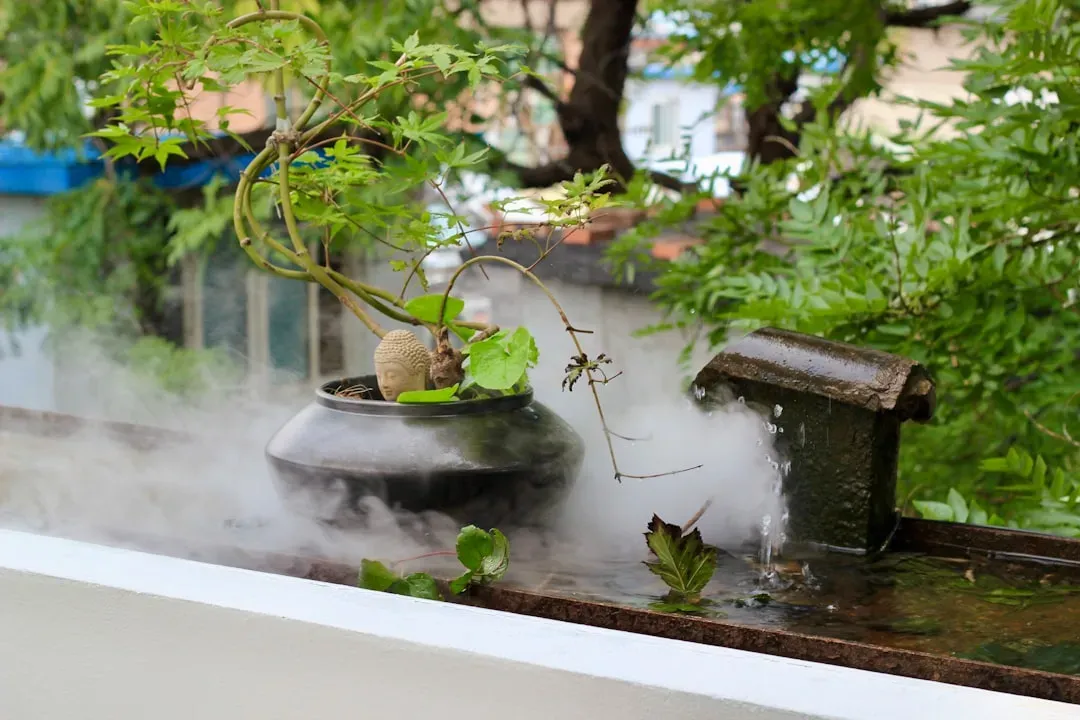
Watering is the most important part of growing bonsai (Chicago Botanic Garden). This skill develops through observation and repetition rather than following fixed schedules. Your tree's water needs change with temperature, humidity, wind, growth stage, and pot size, no calendar can account for these variables.
How to Tell When Your Bonsai Needs Water
The chopstick method provides reliable moisture assessment for beginners. Insert a wooden chopstick or bamboo skewer into the soil at the pot's edge, leaving it for several minutes. Remove it and check for moisture, dark discoloration indicates adequate water, while a dry stick signals time to water. This technique works because the wood absorbs moisture from the soil, showing you conditions below the surface.
The finger test offers faster feedback once you've developed sensitivity. Press your finger into the soil up to the first knuckle. The substrate should feel cool and slightly moist but not wet. If soil clings to your finger in clumps, it's too wet. If it feels dusty and warm, you've waited too long.
Visual cues supplement tactile tests. Healthy foliage shows deep green color with slight shine. Leaves that lose their firmness or begin to droop indicate water stress, though by this point you've already risked damage. The soil surface lightens as it dries, giving you advance warning before the tree shows stress.
Indoor bonsai may need daily watering during heating season when humidity drops, while outdoor trees in cool, cloudy weather might go several days between waterings (Iowa State University Extension). Check daily but water only when the tree needs it, not on a predetermined schedule.
Proper Watering Technique and Common Mistakes to Avoid
Water thoroughly until water drains freely from the bottom drainage holes (Iowa State University Extension). This complete soaking ensures the entire root mass receives moisture and flushes accumulated salts from the soil. Partial watering creates dry pockets in the root ball where roots die from drought despite regular care.
Use a watering can with a fine rose (sprinkler head) that delivers gentle rain-like flow rather than a harsh stream. Water the soil surface, not the foliage, allowing time for the water to soak in before applying more. You may need to water, wait a minute for absorption, then water again to achieve thorough saturation in well-draining bonsai soil.
Overwatering doesn't mean watering too frequently, it means keeping the soil constantly saturated without allowing air to reach the roots. Well-draining bonsai soil makes overwatering difficult because excess water exits the drainage holes immediately. Poor drainage from compacted soil or inadequate holes causes the waterlogged conditions that rot roots.
Underwatering shows up as crispy leaf edges, premature leaf drop, and wilting that doesn't recover overnight. Severe drought stress damages fine feeder roots that take weeks to regenerate, setting back your tree's development even after you resume proper watering. Consistent slight moisture beats cycles of drought and flood.
Feeding and Fertilizing Your Bonsai Tree
Bonsai containers hold minimal soil volume, which limits nutrient reserves compared to garden plantings. The frequent watering required for shallow pots leaches nutrients faster than normal, creating dependence on regular fertilizing to maintain health. You're providing the nutrition that unrestricted roots would find by expanding through garden soil.
Fertilize bonsai regularly with a balanced, water-soluble fertilizer at half strength every two weeks during the growing season (University of Maryland Extension). This frequent, dilute approach prevents fertilizer burn while maintaining steady nutrition for active growth. Reduce feeding as growth slows in late summer and stop entirely once trees enter dormancy.
Understanding Bonsai Fertilizer Basics Without the Jargon
Fertilizer labels display three numbers representing nitrogen, phosphorus, and potassium percentages, the NPK ratio. Balanced fertilizers like 10-10-10 or 20-20-20 provide equal amounts of each nutrient, suitable for general bonsai feeding. Nitrogen promotes leaf and shoot growth, phosphorus supports root development and flowering, while potassium strengthens overall plant health and disease resistance.
Organic fertilizers release nutrients slowly as soil microorganisms break them down, providing gentle, sustained feeding that's difficult to overdo. Fish emulsion, seaweed extract, and solid organic cakes placed on the soil surface work well for bonsai. They smell unpleasant initially but the odor dissipates quickly outdoors.
Synthetic fertilizers deliver immediate nutrition in precise ratios, allowing you to adjust feeding for specific growth stages. Use them at half the recommended strength for bonsai because the restricted root system can't handle full-strength applications. Always apply fertilizer to moist soil, never to dry substrate, to prevent root burn from concentrated salts.
Spring feeding emphasizes nitrogen to support vigorous leaf and shoot growth as trees break dormancy. Summer maintains balanced nutrition to sustain active growth without pushing excessive elongation. Fall feeding shifts toward lower nitrogen and higher potassium to harden growth before winter, preparing deciduous trees for dormancy and helping evergreens withstand cold stress.
Pruning and Shaping Techniques for Beginners
Pruning serves two distinct purposes in bonsai cultivation. Maintenance pruning removes unwanted growth, controls size, and refines existing structure. Structural pruning removes major branches to establish the tree's basic design, creating taper and defining primary branch placement. Beginners should focus on maintenance pruning while learning to see the tree's potential structure before making irreversible cuts.
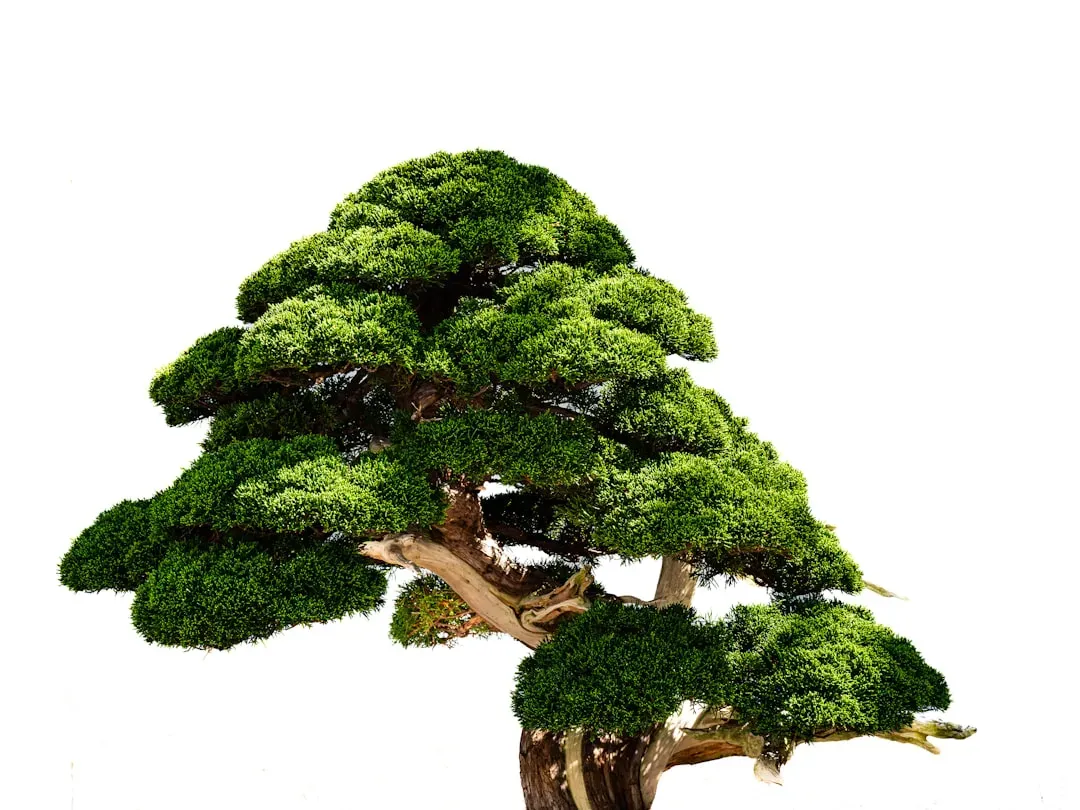
Start conservatively with any pruning decision. Branches removed can't be reattached, but growth you leave can always be cut later. This patience frustrates beginners eager to see dramatic transformation, but it prevents the regret of removing branches you'll wish you'd kept once you understand design principles better.
Maintenance Pruning: Keeping Your Tree Healthy and Tidy
Prune new growth to maintain the desired shape and size of your bonsai (Iowa State University Extension). For most species, this means cutting back shoots to one or two pairs of leaves once they've extended several inches. This regular trimming maintains proportions while encouraging back-budding, the development of new growth closer to the trunk that creates dense branching.
Remove dead, diseased, or crossing branches whenever you notice them. Dead wood harbors pests and diseases while contributing nothing to the design. Crossing branches rub against each other, creating wounds that invite infection. Make clean cuts with sharp tools just above a bud or branch junction, angling the cut to shed water away from the remaining tissue.
Deciduous trees require different timing than evergreens. Prune deciduous species during dormancy for major structural work, but pinch new growth throughout the growing season to refine shape. Pines and other conifers follow species-specific timing, some prune best in late spring after candles extend, while others tolerate pruning throughout the growing season.
Introduction to Wiring and Branch Positioning
Wiring allows you to position branches and trunks that would otherwise grow in unwanted directions. Anodized aluminum or annealed copper wire wraps around branches at forty-five-degree angles, providing support to hold new positions while the wood lignifies, hardens, in place. This process takes months for young growth and years for thick branches.
Wire gauge must match branch thickness. Too thin and the wire bends without controlling the branch. Too thick and you risk damaging bark or breaking the branch while applying it. Start with several gauges of aluminum wire, which is easier to work with than copper and less likely to damage bark.
Apply wire when trees are actively growing so they set in position faster, but watch carefully because expanding growth can cause wire to cut into bark within weeks. Remove wire before it bites into the cambium layer by cutting it off in sections rather than unwinding, which can damage branches you've carefully positioned.
Well, wiring intimidates many beginners because mistakes show immediately and correction requires patience. Practice on garden shrub trimmings before wiring your bonsai, developing the hand coordination to apply even pressure and consistent angles. The technique becomes intuitive with repetition, but initial attempts often look awkward.
Repotting Your Bonsai: When, Why, and How
Bonsai need repotting every two to three years to keep them healthy and growing well (University of Maryland Extension). The confined root system eventually fills the pot, circling the interior and forming a dense mass that can't absorb water or nutrients efficiently. Repotting cuts back this root mass, removes depleted soil, and provides fresh substrate for continued growth.
Young trees in active development require more frequent repotting than mature specimens. Fast-growing species like Chinese elm may need annual repotting, while slow-growing pines might go four years between repottings. The tree tells you when it's time, water runs through without soaking in, roots emerge from drainage holes, or growth slows despite proper care.
Recognizing When Your Bonsai Needs Repotting
Check your tree's root system in early spring by carefully lifting it from the pot. Roots that circle the pot's perimeter in dense layers indicate repotting time. Healthy roots should show white or light-colored tips with some soil visible between root masses. If you see nothing but roots with soil completely displaced, you've waited too long.
Growth that slows or weakens despite proper watering and fertilizing suggests root-bound conditions. The root mass can't support the foliage it's developed, limiting the tree's ability to take up water and nutrients. This decline happens gradually, making it easy to miss until the tree shows obvious stress.
Water that runs straight through the pot without soaking in indicates either extremely compacted soil or a root mass so dense that water channels through without reaching the interior. Either condition requires repotting to restore proper growing conditions.
Step-by-Step Repotting Process for Beginners
Repot deciduous trees in early spring just before buds begin to swell (University of Maryland Extension). This timing allows the tree to heal root damage and establish in fresh soil before supporting new foliage. Evergreens tolerate repotting slightly later, after new growth hardens off but while temperatures remain moderate.
Remove the tree from its pot by running a knife around the interior edge to loosen the root mass. Support the trunk while inverting the pot, catching the tree as it slides free. Use a root hook or chopstick to gently comb soil from the outer roots, working from the bottom and sides toward the trunk.
Prune circling roots and trim the overall root mass by one-quarter to one-third, maintaining the feeder roots near the trunk while removing the older, thicker roots at the perimeter. Make clean cuts with sharp shears, avoiding crushing or tearing the roots. This pruning stimulates new root growth in the fresh soil.
Bonsai soil must be very well-drained, typically using a mixture of akadama (Japanese clay granules), pumice, and lava rock (University of Maryland Extension). This inorganic mix provides excellent drainage and aeration while retaining some moisture. Pre-mixed bonsai soils work well for beginners, eliminating the need to source and blend individual components.
Position the tree in its pot, securing it with wire through the drainage holes to prevent movement while roots establish. Add soil around the roots, working it in with a chopstick to eliminate air pockets. Water thoroughly and keep the tree in shade for a week, protecting it from wind while the damaged roots recover.
Seasonal Bonsai Care: A Year-Round Calendar
Bonsai cultivation follows natural seasonal rhythms that dictate care activities throughout the year. Understanding these cycles allows you to work with your tree's biology rather than against it, timing interventions when the tree can respond most effectively. Outdoor species demonstrate these patterns most clearly, while tropical indoor species maintain more consistent growth year-round.
Bonsai Care Calendar: Monthly Tasks and Seasonal Adjustments
| Season | Months | Primary Tasks | Watering Frequency | Special Considerations |
|---|---|---|---|---|
| Spring | March-May | Repotting, aggressive pruning to direct growth, begin fertilizing | Increase as growth accelerates | Manage vigorous new growth; watch for pests |
| Summer | June-August | Maintenance pruning, consistent feeding, monitor for heat stress | Daily or twice daily in heat | Provide afternoon shade in extreme heat; increase humidity |
| Fall | September-November | Reduce fertilizer, harden growth, prepare for dormancy | Decrease gradually | Stop pruning to allow hardening; transition outdoor trees to cooler locations |
| Winter | December-February | Minimal intervention, protect from freezing, reduce watering | Minimal; only when soil surface dries | Dormancy period for outdoor species; protect roots from freezing; move tender species indoors |
Spring Care: Managing Vigorous Growth
Spring brings explosive growth as stored energy fuels new shoots, leaves, and roots. This vigor requires frequent attention, daily watering as temperatures rise, weekly fertilizing to support active growth, and regular pruning to control elongation. Deciduous trees leaf out rapidly, sometimes producing several inches of growth per week during peak spring conditions.
Repotting happens in early spring before growth accelerates, giving roots time to establish in fresh soil before supporting new foliage. This narrow window requires planning because waiting too long means postponing repotting until the following year. Watch for swelling buds as your signal to act quickly.
Begin fertilizing as soon as you see new growth emerging, providing nitrogen-rich food to support leaf and shoot development. Increase watering frequency as temperatures warm and foliage expands, checking soil moisture daily because spring growth consumes water rapidly.
Summer Maintenance: Heat and Hydration
Summer heat creates the most demanding watering conditions of the year. Outdoor bonsai may require twice-daily watering during hot, dry periods, particularly for deciduous species with large leaf surface area. Indoor trees near sunny windows face similar challenges from intense light and low humidity.
Protect trees from scorching afternoon sun during extreme heat. Deciduous species and young trees benefit from shade cloth that filters the harshest midday rays while maintaining good light levels. To be fair, adequate watering matters more than shading for most established trees, but combining both strategies prevents stress during heat waves.
Continue fertilizing through summer but watch for excessive growth that creates leggy shoots with long internodes. If growth becomes too vigorous, reduce fertilizer strength or frequency slightly. Pinch back new growth regularly to maintain shape and encourage branching.
Fall Preparation: Hardening Growth for Winter
Fall care prepares trees for dormancy by hardening new growth and allowing nutrient storage in roots and trunk. Reduce fertilizer nitrogen while maintaining potassium to strengthen cell walls and improve cold hardiness. Stop fertilizing outdoor deciduous trees six weeks before your typical first frost date.
Deciduous trees display fall color as chlorophyll breaks down, revealing underlying pigments. This spectacle signals the tree's preparation for dormancy. Allow leaves to drop naturally rather than removing them early, because the tree reabsorbs nutrients from foliage before shedding it.
Reduce watering as growth slows and temperatures drop, but don't allow the soil to dry completely. Dormant trees still need moisture, just less frequently than during active growth. Check soil weekly rather than daily as winter approaches.
Winter Dormancy: Protection and Minimal Care
Outdoor deciduous and evergreen trees require cold dormancy to remain healthy. This rest period allows the tree to reset growth hormones and prepare for spring. Protect roots from extreme temperature fluctuations by placing pots in unheated garages, cold frames, or mulching them into garden beds during the coldest months.
Water dormant trees whenever the soil thaws and dries, typically once or twice per month depending on winter conditions. Frozen soil doesn't require watering, but extended dry periods during winter thaws can damage roots. Check periodically throughout winter, particularly during unseasonably warm spells.
Indoor tropical species maintain their normal care routine through winter, though growth may slow in response to shorter days and lower light angles. Maintain consistent watering and continue light fertilizing, watching for pest problems that develop in the stable indoor environment.
Troubleshooting Common Bonsai Problems
Most bonsai problems trace back to environmental factors rather than pests or diseases. Improper watering, inadequate light, or inappropriate temperature conditions stress trees, making them vulnerable to secondary issues. Addressing the underlying cause prevents recurring problems better than treating symptoms alone.
Identifying and Correcting Watering Issues
Overwatering symptoms include yellowing leaves that drop while still soft, black or mushy roots visible at the soil surface, and persistent soil saturation that never dries. The solution requires improving drainage through repotting with proper bonsai soil, ensuring adequate drainage holes, and reducing watering frequency while maintaining thorough soaking when you do water.
Underwatering creates crispy brown leaf edges, premature leaf drop where leaves turn brown and brittle before falling, and soil that pulls away from the pot edges. Severe cases show wilted foliage that doesn't recover overnight. Correct this by establishing a consistent watering routine, checking soil moisture daily, and soaking the entire root ball thoroughly when the top inch feels dry.
Inconsistent watering, alternating between drought and flood, stresses trees more than either extreme alone. The roots can't establish efficient water uptake patterns, and the tree remains in constant stress response. Develop a checking routine that catches trees before they reach either extreme, building the observation skills that separate successful practitioners from frustrated beginners.
Related Articles
- Bonsai Tree Care: Complete Maintenance Guide for Beginners
- Bonsai Tree Types: 15+ Species for Every Skill Level
- Indoor Bonsai Trees: Best Species & Care Requirements
- Japanese Maple Bonsai: Care Guide & Styling Tips
- Bonsai Tree Wiring: Techniques for Shaping & Training
- Bonsai Tree Repotting: Step-by-Step Guide & Best Practices
Frequently Asked Questions
Are bonsai trees genetically modified or specially bred to stay small?
No, bonsai trees are genetically identical to full-sized trees in nature. Their miniature size comes entirely from cultivation techniques like container restriction, root pruning, and branch shaping, not from breeding or genetic modification. A bonsai maple has the same genetic code as a 60-foot wild maple.
Can I keep a bonsai tree indoors in my apartment?
Most bonsai species require outdoor space to experience seasonal cycles and natural sunlight, just like trees in nature. However, indoor bonsai do exist—they're limited to tropical and subtropical species that tolerate consistent temperatures year-round. Check your specific species' requirements before assuming it can live indoors.
How often do I need to water my bonsai tree?
Watering frequency depends on your specific species, climate, and season, but the article emphasizes it as the most critical skill to master. You'll need to check soil moisture daily and water when needed rather than following a fixed schedule. Learning to recognize when your bonsai needs water is essential for success.
How often should I repot my bonsai tree?
Most bonsai trees need repotting every two to three years to maintain health and manage the root system. The shallow bonsai pot deliberately restricts root growth, so regular repotting prevents the tree from becoming root-bound while maintaining the proper visual proportion between pot and tree.
What's the difference between a bonsai tree and a regular potted plant?
Bonsai live in deliberately shallow pots that restrict root growth and require active root management, while regular potted plants grow in containers sized to accommodate their roots with minimal intervention. Bonsai also undergo systematic pruning to direct growth and create specific designs over years, rather than just occasional aesthetic trimming.
How much time do I need to spend caring for a bonsai tree daily?
Bonsai require daily attention but don't demand rigid schedules—typically a ten-minute morning inspection to check soil moisture and overall tree health is sufficient. The practice provides daily structure while allowing flexibility in your routine.
What are the best bonsai species for beginners?
The article mentions maples, junipers, and ficus as common bonsai species, with specific recommendations for hardy outdoor species and indoor tropical varieties for apartments. Your choice depends on whether you have outdoor space and your local climate, so research your specific species' light and temperature requirements before purchasing.
How long can a bonsai tree live?
Bonsai trees can live for decades and improve with age when given proper care. The practice rewards patience with long-term relationships as your tree develops character and refinement over many years of cultivation.
